Key takeaways
- Match firmness to sleep position, not preference: Side sleepers need enough give at the shoulder and hip to keep the spine straight, which usually means medium or medium-plush. Back and stomach sleepers do better on medium-firm, where the lumbar curve stays supported rather than sagging into the foam.
- Take heat seriously if you run warm: Traditional memory foam traps body heat because it is dense and close-conforming. Gel infusions, open-cell structures, and green tea or charcoal treatments help, but a hybrid with a coil layer will nearly always sleep cooler simply because air moves through springs.
- Height affects more than looks: A 12-inch profile suits most adults and most standard sheet sets. Fourteen and 16-inch builds give you more room for distinct comfort and transition layers, which generally means better pressure relief for heavier bodies, but check that your fitted sheets have the pocket depth.
- Verify CertiPUR-US and fiberglass-free construction: The first confirms the foam was made without ozone depleters, heavy metals, or formaldehyde. The second matters because some budget mattresses use fiberglass as a flame barrier, which becomes a genuine household problem if the cover is ever unzipped.
- Read the trial window, not the warranty: Foam needs three to four weeks before your body stops registering it as unfamiliar. A 100-night trial is workable; a 365-night trial is a meaningful signal that the manufacturer is confident. Confirm who pays return shipping on something this large.
What's inside
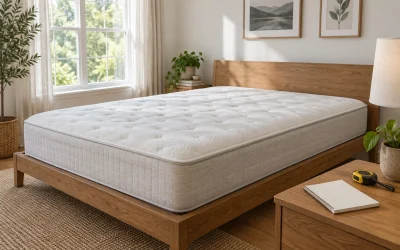
A king mattress is the one purchase where sticker shock hits hardest. You have finally got the bedroom square footage to stretch out without elbowing a partner, and then you discover that the models being pushed in showrooms start somewhere north of two thousand dollars. The instinct is to assume that anything under a grand must be cutting corners in the layers you cannot see. That was largely true a decade ago. It is not true now, because compressed-shipping logistics stripped out the warehousing and showroom overhead that used to make up a startling share of what you paid.
What follows is a working sleep professional’s read on the sub-$1,000 king category for 2026: which specs genuinely move the needle on how rested you feel, which ones are marketing garnish, and six specific mattresses that hold up under scrutiny. I have weighted this toward thermal behavior and edge-to-edge support, since those are the two areas budget foam has historically fumbled, and toward certifications that tell you something verifiable about what you are breathing in for the next eight hours a night.
As an Amazon Associate we earn from qualifying purchases.




🛒 Best Price Today on Amazon
Prime members get fast, free shipping on everything above, plus member-only deals. New members get a 30-day free trial — cancel anytime.
How to Choose a King Size Mattress For Under 1000 (2026)
- Match firmness to sleep position, not preference: Side sleepers need enough give at the shoulder and hip to keep the spine straight, which usually means medium or medium-plush. Back and stomach sleepers do better on medium-firm, where the lumbar curve stays supported rather than sagging into the foam.
- Take heat seriously if you run warm: Traditional memory foam traps body heat because it is dense and close-conforming. Gel infusions, open-cell structures, and green tea or charcoal treatments help, but a hybrid with a coil layer will nearly always sleep cooler simply because air moves through springs.
- Height affects more than looks: A 12-inch profile suits most adults and most standard sheet sets. Fourteen and 16-inch builds give you more room for distinct comfort and transition layers, which generally means better pressure relief for heavier bodies, but check that your fitted sheets have the pocket depth.
- Verify CertiPUR-US and fiberglass-free construction: The first confirms the foam was made without ozone depleters, heavy metals, or formaldehyde. The second matters because some budget mattresses use fiberglass as a flame barrier, which becomes a genuine household problem if the cover is ever unzipped.
- Read the trial window, not the warranty: Foam needs three to four weeks before your body stops registering it as unfamiliar. A 100-night trial is workable; a 365-night trial is a meaningful signal that the manufacturer is confident. Confirm who pays return shipping on something this large.
The Best King Size Mattresses Under $1,000 (2026), Reviewed
Sweetnight CoolNest 14 Inch King
The five-zone layout is the standout here, with firmer foam under the lumbar region and softer sections at the shoulders, which is exactly the geometry side sleepers need to avoid waking with a stiff upper back. At 14 inches with a medium feel and genuine breathability engineering, it is the most well-rounded pick for couples who cannot agree on firmness.
16 Inch Upgraded Luxury Hybrid King
Seven-zone coil support plus a 16-inch profile puts this closer to a premium hotel build than anything else in the price bracket, and the coil unit gives it the edge support that all-foam models struggle to match when you sit on the perimeter. The 365-night trial is unusually generous and worth factoring into the value calculation.
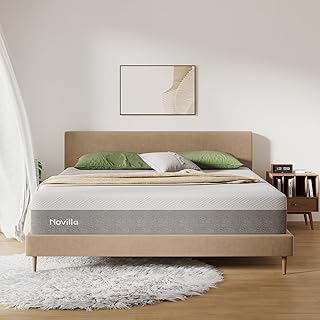
Novilla 14 Inch Gel Memory Foam King
A straightforward, well-executed gel foam mattress that excels at motion isolation, so a partner’s 2 a.m. trip to the kitchen does not register on your side of the bed. Choose this if you sleep hot only mildly and prize quiet, cradling contour over bounce.
Novilla Bliss 12 Inch King
The medium-plush feel and 12-inch height make this the best fit for lighter-framed sleepers and dedicated side sleepers, who often find firmer budget foam leaves a gap at the waist. Spine alignment support underneath keeps the softer top layer from becoming a hammock.
Novilla 12 Inch Hybrid King
Pocketed smart coils, hypoallergenic materials, and a fiberglass-free build make this the sensible choice for anyone dealing with lower back discomfort or seasonal allergies. It needs no box spring, which quietly saves a few hundred dollars in the total bed budget.
Frequently Asked Questions
Can a king mattress under $1,000 actually last?
Expect seven to ten years from a well-made foam or hybrid king in this range, provided you rotate it head-to-foot every six months and use a supportive foundation with slats no more than three inches apart. Sagging complaints most often trace back to inadequate support underneath rather than the mattress itself.
How long does off-gassing last?
The initial odor from a compressed mattress typically clears within 48 to 72 hours in a ventilated room. CertiPUR-US certification means the smell is not indicative of harmful VOC levels, but sleeping elsewhere the first night is still reasonable if you are sensitive.
Foam or hybrid for back pain?
Hybrids generally win for chronic lower back issues because the coil layer resists compression under the hips, keeping the pelvis level. Foam can work well if it is medium-firm and zoned, but avoid anything plush if you sleep primarily on your back.
Do I need a new foundation for a king?
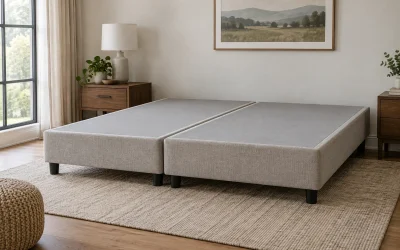
Not necessarily, but you do need one that is genuinely rated for king dimensions with a center support leg or beam. A king spans 76 inches; without central bracing, even a strong frame will flex over time and telegraph that dip into the mattress.
Final Thoughts
If you want the strongest all-around performer, the 16-inch hybrid delivers premium construction, coil-driven cooling, and a full-year trial that removes most of the risk from buying a mattress you cannot lie on first. The Sweetnight CoolNest 14 Inch is my pick for couples with mismatched firmness needs thanks to its zoned support, and the Novilla 12 Inch Hybrid is the smart call for back pain sufferers who want coils and hypoallergenic materials without crossing the $1,000 line.