Key takeaways
- Buy capacity you don’t need: Aim for a rating at least 100 lbs above your body weight. Ratings describe static load, not the dynamic force of dropping into a seat, and the margin is what keeps a Class 4 cylinder from creeping downward by mid-morning.
- Match the seat pan to your hips: Look for 21–24 inches of usable width and enough depth to leave two or three fingers between the cushion edge and the back of your knee. A pan that digs into the popliteal region restricts return circulation, which is a common and overlooked driver of evening leg restlessness.
- Interrogate the cushion, not the padding depth: Pocket-spring cores and high-resilience foam redistribute pressure and resist the permanent bowl that cheap polyfoam forms within a season. The physics here are identical to a mattress: uneven support forces constant micro-adjustment, and micro-adjustment is fatigue.
- Prioritize adjustable lumbar and a lockable recline: Static support fails larger bodies because lumbar curve depth varies enormously. You want height-and-depth adjustment plus a tilt you can lock at 100–110 degrees, so you can unload the discs periodically instead of sitting rigidly upright all day.
- Think about heat: Bonded leather traps warmth against a broad contact area, and a raised core temperature in the afternoon dulls alertness while flattening the evening temperature drop that helps initiate sleep. Mesh backs, or leather with a breathable perforated panel, are the safer choice in warm rooms.
What's inside
Most people shopping for a heavy-duty desk chair are trying to solve a daytime problem: the ache that arrives by two in the afternoon, the gas cylinder that sinks an inch every twenty minutes, the armrest that shears off in month four. As a sleep-wellness practitioner, I see the second half of that story. Clients describe restless legs at bedtime, low-back pain that only announces itself once they lie flat, and a wired-but-drained feeling that no amount of magnesium touches. Nine hours in an undersized seat compresses exactly the tissue your body is supposed to repair overnight, and that debt gets paid in fragmented sleep.
So I evaluate seating the way I evaluate a mattress: load capacity with genuine headroom, pressure redistribution across the sit bones and thighs, thermal behavior, and adjustment ranges built for a larger frame rather than a 170-pound average. Below are the chairs I’d put in front of a client who works long days at 300 to 450 pounds, followed by a practical buying framework and the questions that surface most often in consultations.
As an Amazon Associate we earn from qualifying purchases.


How to Choose an Office Chair For a Heavy Person (2026)
- Buy capacity you don’t need: Aim for a rating at least 100 lbs above your body weight. Ratings describe static load, not the dynamic force of dropping into a seat, and the margin is what keeps a Class 4 cylinder from creeping downward by mid-morning.
- Match the seat pan to your hips: Look for 21–24 inches of usable width and enough depth to leave two or three fingers between the cushion edge and the back of your knee. A pan that digs into the popliteal region restricts return circulation, which is a common and overlooked driver of evening leg restlessness.
- Interrogate the cushion, not the padding depth: Pocket-spring cores and high-resilience foam redistribute pressure and resist the permanent bowl that cheap polyfoam forms within a season. The physics here are identical to a mattress: uneven support forces constant micro-adjustment, and micro-adjustment is fatigue.
- Prioritize adjustable lumbar and a lockable recline: Static support fails larger bodies because lumbar curve depth varies enormously. You want height-and-depth adjustment plus a tilt you can lock at 100–110 degrees, so you can unload the discs periodically instead of sitting rigidly upright all day.
- Think about heat: Bonded leather traps warmth against a broad contact area, and a raised core temperature in the afternoon dulls alertness while flattening the evening temperature drop that helps initiate sleep. Mesh backs, or leather with a breathable perforated panel, are the safer choice in warm rooms.
The Best Office Chairs For Heavy People (2026) Reviewed
500 lb Big and Tall Executive Chair with Pocket Spring Cushion
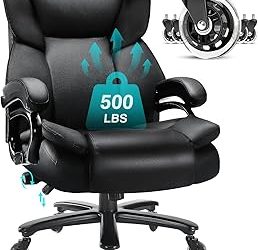
The pocket-spring seat is the headline feature here, and it earns the attention: independent coils under a foam cap hold their shape far longer than a solid slab, which keeps your pelvis level through a long session. Adjustable lumbar support and quiet rubber casters make this the sensible default recommendation for most buyers under 400 pounds.
650 lb Big and Tall Leather Executive Chair
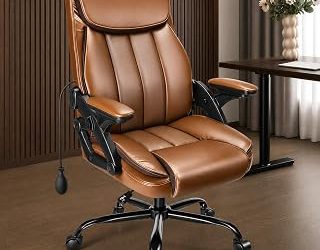
Built around a reinforced frame and base with a genuinely generous capacity rating, this one is designed for eight-hour days rather than occasional use. The padded leather is plush and supportive, though I’d pair it with a cool room or a fan if you run warm, since the upholstery holds heat.
600 lb Heavy Duty Chair with 5D Flip-Up Arms
The 5D flip-up armrests are the standout: you can tuck them away to slide under a desk or swing them inward to support your forearms at your actual shoulder width, which relieves a surprising amount of upper-trapezius load. Combined with a pocket-spring cushion and dual rubber wheels, it’s the most adjustable option in this group.
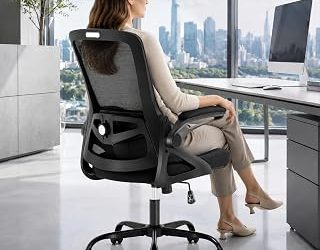
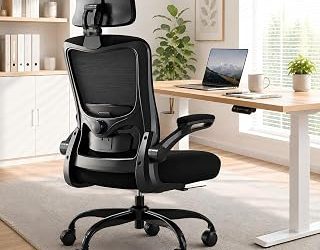
750 lb Big and Tall Mesh Chair with 4D Armrests
The highest capacity here, and the only mesh-backed pick, which makes it my recommendation for anyone in a warm office or working through summer without air conditioning. The wide, thick seat cushion and 4D armrests give it the dimensional generosity that mesh ergonomic chairs usually lack.
400 lb Massage Chair with Footrest, Heat and 6-Point Vibration
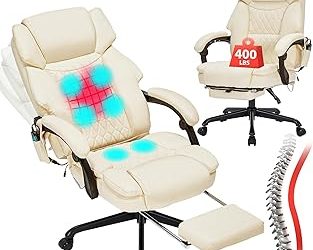
Heat and gentle vibration genuinely help downshift the nervous system, and the extendable footrest lets you elevate your legs for ten minutes between blocks of work. Take the higher-capacity 500 lb version with the dual-use pillow if you’re near the weight limit, and reserve the recline function for daytime breaks rather than late-evening dozing.
Frequently Asked Questions
How much weight capacity do I actually need?
Add at least 100 pounds to your current weight. Manufacturer ratings assume static, evenly distributed load, while real use involves leaning, pivoting and sitting down with momentum — all of which multiply the force reaching the cylinder and base.
Is mesh or leather better for a bigger frame?
Leather feels more supportive and typically comes on heavier frames, but it insulates. If you overheat easily or notice you’re clammy by mid-afternoon, choose mesh — thermal comfort during the day protects the evening temperature decline that supports sleep onset.
Can a heated massage chair really improve my sleep?
Indirectly, yes. Short heat-and-vibration sessions during the workday reduce accumulated muscular tension that would otherwise follow you to bed. What it shouldn’t do is host a late-afternoon nap, which erodes the sleep pressure you need at bedtime.
How often should I get out of the chair?
Stand for two or three minutes every 45 to 60 minutes. No chair, at any price, replaces movement — position changes flush the intervertebral discs and keep the lower limbs from pooling blood, which is what most people feel as evening restlessness.
Final Thoughts
For the majority of buyers, the 500 lb pocket-spring executive chair delivers the best balance of durable support and price. Choose the 750 lb mesh model if heat is your limiting factor or you need maximum capacity, and the 600 lb chair with 5D flip-up arms if fine-grained armrest adjustment matters to your shoulders and neck. Whichever you pick, set the seat height so your feet rest flat and your hips sit marginally above your knees — the single adjustment that pays the largest dividend, both at your desk and later that night.