Key takeaways
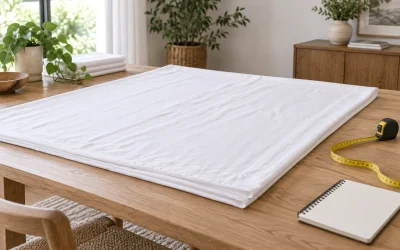
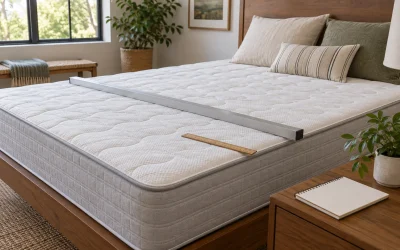
- Verify the size in inches, not in words: A short queen is 60 x 75; a standard queen is 60 x 80. Measure the platform corner to corner, note any rounded corner near a slide-out wall, and confirm a lift-up storage base still latches with the new thickness in place.
- Respect your cargo carrying capacity: A 12-inch hybrid typically runs 70–90 pounds against 45–55 for a 10-inch all-foam build. In a small travel trailer that gap is real payload — and it decides whether one person can wrestle the thing through the entry door.
- Prioritize heat transfer, not just softness: Falling asleep depends on your core temperature dropping roughly one degree. Inside an aluminum-skinned shell, gel-infused foam and open pocketed coils shed body heat far more effectively than a dense, sealed slab of conventional memory foam.
- Read the certifications closely: CertiPUR-US and OEKO-TEX confirm foams are tested for VOCs, heavy metals and formaldehyde, while explicitly fiberglass-free construction matters more in a 200-square-foot cabin than it does in a house. Unbox and air any foam mattress outdoors for a full day before sleeping on it.
- Plan for moisture from underneath: A warm sleeper over a cold deck produces condensation, and condensation eventually produces mildew. Add a ventilated underlay or slats, rotate the mattress head-to-foot seasonally, and prop lift-up beds open on dry mornings.
What's inside
An RV bed asks more of a mattress than a bedroom ever will. It sits on a sealed plywood platform instead of a ventilated foundation, it lives inside a thin-walled box that swings twenty degrees between afternoon and dawn, and in most rigs it measures 60 by 75 inches rather than the 60 by 80 buyers assume they’re shopping for. The consequences show up on night three of a trip: shallow sleep, early waking, and a lower back that never quite loosens up.
This guide treats the camper mattress as a sleep-health problem rather than a furniture purchase. Below you’ll find the measurements that actually matter, the thermal and material factors that determine whether you stay asleep past 3 a.m., and honest assessments of the queen and short queen options worth buying in 2026 — from lightweight foam slabs for payload-limited trailers to pocketed-coil hybrids that rival the bed you left at home.
As an Amazon Associate we earn from qualifying purchases.


🛒 Best Price Today on Amazon
Prime members get fast, free shipping on everything above, plus member-only deals. New members get a 30-day free trial — cancel anytime.
How to Choose an RV Queen Mattress (2026)
- Verify the size in inches, not in words: A short queen is 60 x 75; a standard queen is 60 x 80. Measure the platform corner to corner, note any rounded corner near a slide-out wall, and confirm a lift-up storage base still latches with the new thickness in place.
- Respect your cargo carrying capacity: A 12-inch hybrid typically runs 70–90 pounds against 45–55 for a 10-inch all-foam build. In a small travel trailer that gap is real payload — and it decides whether one person can wrestle the thing through the entry door.
- Prioritize heat transfer, not just softness: Falling asleep depends on your core temperature dropping roughly one degree. Inside an aluminum-skinned shell, gel-infused foam and open pocketed coils shed body heat far more effectively than a dense, sealed slab of conventional memory foam.
- Read the certifications closely: CertiPUR-US and OEKO-TEX confirm foams are tested for VOCs, heavy metals and formaldehyde, while explicitly fiberglass-free construction matters more in a 200-square-foot cabin than it does in a house. Unbox and air any foam mattress outdoors for a full day before sleeping on it.
- Plan for moisture from underneath: A warm sleeper over a cold deck produces condensation, and condensation eventually produces mildew. Add a ventilated underlay or slats, rotate the mattress head-to-foot seasonally, and prop lift-up beds open on dry mornings.
The Best RV Queen Mattresses (2026), Reviewed
Celestial Sleep 10-Inch RV Short Queen
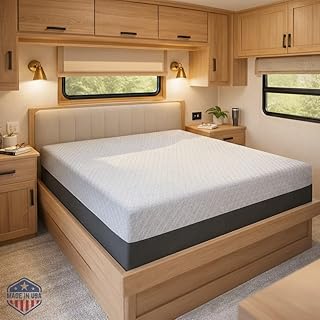
Made in the USA and carrying all three credentials worth having — CertiPUR-US, Oeko-Tex and fiberglass-free — this is the most broadly forgiving feel in the roundup, with enough shoulder give for side sleepers and enough resistance to hold a neutral lumbar curve on your back. It’s my default recommendation for couples who never agree on firmness.
Zinus 10-Inch Ultima Short Queen
A medium-firm, airflow-channeled foam build that lands squarely in value territory without cutting corners on materials testing. Best suited to back and stomach sleepers, seasonal campers, and anyone replacing a tired factory mattress in a rental or resale rig.
WanderRest 12-Inch Cool Hybrid Queen
Gel memory foam over pocketed coils in a true 60 x 80 footprint, and the closest thing here to residential sleep quality: the coil layer breathes continuously and the reinforced perimeter makes sitting on the edge in a narrow aisle far less precarious. Measure your headroom and clearance first — 12 inches is a genuine commitment.
Lux Black Cool Hybrid 12-Inch
The firmer counterpart to the WanderRest, pairing Elate visco foam with pocketed coils for a medium feel that holds heavier sleepers in alignment rather than letting the hips sink. A strong choice for hot sleepers who want support without the sealed-in warmth of thick memory foam.
Dyonery 10-Inch Gel Memory Foam Short Queen
Gel-infused contouring with medium support, fiberglass-free and CertiPUR-US certified, at a weight most people can carry solo. It delivers meaningful hip and shoulder pressure relief for side sleepers in short queen frames where a hybrid simply won’t fit the payload budget.
Frequently Asked Questions
Is a short queen the same as a queen?
No. A short queen loses five inches of length at the foot — 60 x 75 instead of 60 x 80. Sheets and mattress protectors must be labeled specifically for RV short queen, or they’ll pull loose at the corners every night.
How thick should an RV mattress be?
Ten inches is the sweet spot for most rigs, balancing pressure relief against weight and headroom. Reserve 12-inch hybrids for fixed rear bedrooms with clearance to spare, and use a 6-inch option like the Best Price Mattress Green Tea foam for bunks, drop-down cabovers and lift-up storage beds where every inch is spoken for.
Does memory foam get harder in cold weather?
Yes. Viscoelastic foam stiffens noticeably below roughly 60°F, which is why shoulder-season campers often complain their new mattress feels like a board. Gel-infused and hybrid constructions recover faster; warming the cabin before bedtime or running a low-setting heated pad solves it.
How do I keep mold from forming underneath?
Interrupt the contact between warm mattress and cold platform. A ventilating mesh underlay or drilled slats, plus a seasonal rotation and a small dehumidifier in humid climates, will keep the underside dry through years of use.
Final Thoughts
If your rig takes a full 60 x 80 and can carry the weight, the WanderRest 12-Inch Cool Hybrid is the most restorative bed here — coil airflow and edge support genuinely change how you sleep on the road. For the far more common short queen platform, the Celestial Sleep 10-Inch is the best-balanced, best-certified pick, with the Zinus Ultima serving as the smart budget alternative for guest rooms on wheels and part-time campers.