Key takeaways
- Support core first: Individually pocketed coils outperform all-foam builds at higher body weights because steel rebounds rather than creeps. Look for zoned coil systems that stiffen beneath the hips while staying yielding under the shoulder.
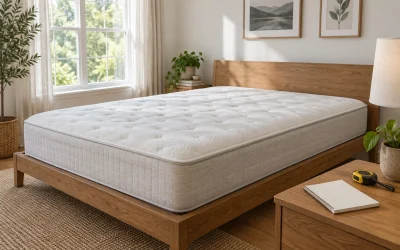
- Comfort layer depth: You need roughly three to four inches of contouring material above the coils. Thinner comfort layers bottom out under a loaded hip, which is what produces that “sleeping on a board” sensation despite a soft first impression.
- Total height: Treat 12 inches as the floor and 14 inches as the practical sweet spot. Taller profiles leave room for both real cushioning and a tall coil unit, and they sit at a more comfortable height for getting in and out of bed.
- Heat management: More body surface in contact with the mattress means more trapped heat. Prioritize breathable coil layers, gel-infused or open-cell foams, and knit covers over dense, sealed foam stacks.
- Trial terms and warranty language: Give yourself at least 100 nights to adapt. Then read the sagging clause — warranties that only cover indentations deeper than 1.5 inches offer far less protection than those with a 0.75-inch threshold.
What's inside
Side sleeping funnels a large share of body mass through two narrow contact points — the shoulder and the hip — and that math changes significantly as body weight goes up. A surface that cradles a 140-pound sleeper can compress completely under a 250- or 300-pound one, letting those pressure points sink straight through the comfort layer and land on the rigid core beneath. The symptoms are predictable: a numb arm at 3 a.m., a dull ache along the lumbar curve, and a visible trough forming on one side of the bed within a year or two.
The remedy isn’t simply “buy something firmer.” Plus size side sleepers need two things working in tandem — a deep, genuinely pressure-relieving surface layer, plus a support core underneath that refuses to collapse under concentrated load. This guide covers the specifications that actually predict long-term comfort at higher body weights, then reviews the 2026 models worth shortlisting, with attention to coil construction, thermal regulation, perimeter stability, and trial terms.
As an Amazon Associate we earn from qualifying purchases.


🛒 Best Price Today on Amazon
Prime members get fast, free shipping on everything above, plus member-only deals. New members get a 30-day free trial — cancel anytime.
How to Choose a Mattress For Plus Size Side Sleepers (2026)
- Support core first: Individually pocketed coils outperform all-foam builds at higher body weights because steel rebounds rather than creeps. Look for zoned coil systems that stiffen beneath the hips while staying yielding under the shoulder.
- Comfort layer depth: You need roughly three to four inches of contouring material above the coils. Thinner comfort layers bottom out under a loaded hip, which is what produces that “sleeping on a board” sensation despite a soft first impression.
- Total height: Treat 12 inches as the floor and 14 inches as the practical sweet spot. Taller profiles leave room for both real cushioning and a tall coil unit, and they sit at a more comfortable height for getting in and out of bed.
- Heat management: More body surface in contact with the mattress means more trapped heat. Prioritize breathable coil layers, gel-infused or open-cell foams, and knit covers over dense, sealed foam stacks.
- Trial terms and warranty language: Give yourself at least 100 nights to adapt. Then read the sagging clause — warranties that only cover indentations deeper than 1.5 inches offer far less protection than those with a 0.75-inch threshold.
The Best Mattresses For Plus Size Side Sleepers (2026) Reviewed
Brooklyn Bedding Titan 14.5″ Elite Plus Size Sleeper
This is the only mattress here engineered specifically for higher body weights, with a reinforced coil unit and a medium-firm memory foam hybrid build that holds its shape where lighter-duty models sag. It’s the strongest choice if you sleep above 250 pounds or share the bed with another plus size sleeper, though the 120-night trial is shorter than some rivals.
Sleepmax 14″ Hybrid
A well-balanced hybrid that pairs pressure-relieving foam with a pocketed coil base tuned for both back and side positions — useful if you rotate through postures overnight. The 365-night trial and fiberglass-free, CertiPUR-US certified construction make it a low-risk entry point.
14″ Luxury Hotel Cooling Zoned Hybrid
Zoned pocket springs deliver targeted reinforcement at the hips and lumbar region while easing off beneath the shoulder, which is precisely the geometry a side sleeper’s spine needs. The hotel-style plush surface keeps it from feeling punishing despite the firm underlying support.
Sweetnight CoolNest 14″
Its five-zone ergonomic layout distributes load across the body rather than letting the hips dictate spinal position, and the breathability upgrades address the heat retention that plagues thick foam beds. The medium feel suits sleepers in the 200–250 pound range better than those at the heavier end.
Soft Plush 14″ Side Sleeper Hybrid
Built around gel memory foam over pocketed springs, this one leans plush for sleepers who want noticeable shoulder relief without giving up coil support. Best suited to lighter plus size sleepers or anyone who consistently wakes with shoulder soreness on firmer surfaces.
Frequently Asked Questions
How firm should the mattress be?
Aim for a medium-firm support core with a plush top layer. Firmness ratings are calibrated to average body weights, so a mattress labeled medium-firm typically presents as medium or softer once a plus size sleeper lies down.
Are hybrids really better than all-foam?
For most plus size side sleepers, yes. Foam relies on compression resistance that degrades over time, while pocketed coils actively push back and recover, extending usable life by several years.
What thickness should I look for?
Twelve inches is the minimum; 14 inches is better. Beneath 12 inches there simply isn’t enough material to provide deep cushioning and a durable core simultaneously.
Does my foundation matter?
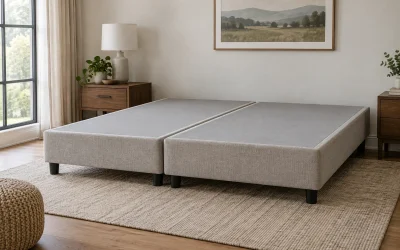
Considerably. Slats spaced wider than three inches allow the mattress to bow between them and can void the warranty — use a solid platform or a center-supported frame with at least one central leg.
Final Thoughts
For sleepers who need maximum durability and reinforcement, the Brooklyn Bedding Titan Elite remains the benchmark. If you’d rather have a longer trial window, the Sleepmax 14″ Hybrid and the zoned 14″ Luxury Hotel Hybrid both deliver serious coil support with a full year to decide.