Key takeaways
- Return windows often range from 7 to 30 days after delivery for online purchases; some showrooms offer no returns on floor models.
- Restocking fees of 10% to 25% of the purchase price are common for opened chairs.
- Return shipping is often the buyer’s cost. Massage chairs weigh 150 to 300 pounds, so freight pickup can cost $150 to $400 or more.
- Original packaging is frequently required. Keep the box and foam for at least the full return window.
- White-glove delivery fees are usually non-refundable even if the chair is returned.
If you regret buying a massage chair, the cause is usually one of five things: it does not fit your body, it is too intense or too weak, it takes up more room than expected, you stopped using it after the novelty wore off, or the cost outweighs how often you sit in it. Most of these are predictable before purchase, and several can still be fixed after delivery, so the steps below cover both: what to do now if you already own one, and how to avoid the regret if you are still deciding.
Our top picks


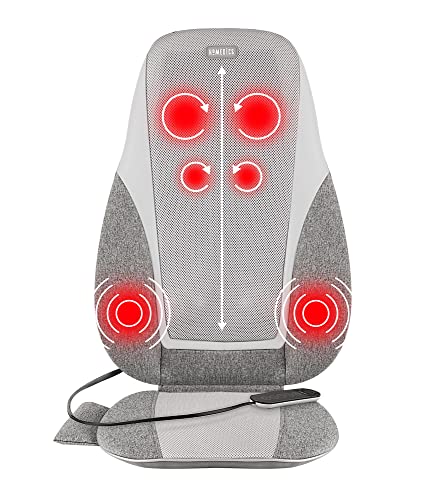
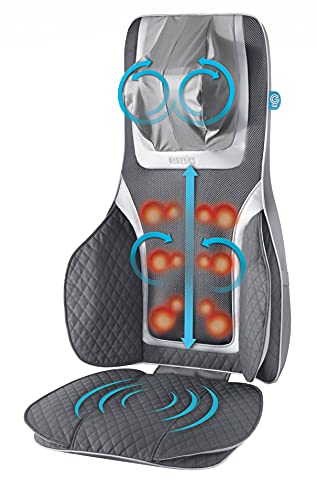
As an Amazon Associate we earn from qualifying purchases at no extra cost to you. Ratings are shown as listed on Amazon.
The Most Common Massage Chair Regrets
| Regret | How often it comes up | Root cause | Fixable after delivery? |
|---|---|---|---|
| Rollers hit the wrong spots | Very common | Track length or body scan does not match the user’s height | Partly: shoulder position adjustment, cushions, or a backrest pad |
| Massage feels too hard or painful | Very common | Strong rollers, no padding, tight airbags | Usually: lower intensity, add the included pad or a thin towel |
| Chair is too big for the room | Common | Recline clearance ignored when measuring | Sometimes: space-saving models slide forward; otherwise move rooms |
| Rarely used after the first month | Common | Placed in a spare room, sessions too long, loud motor | Yes: relocate it and use shorter programs |
| Price feels unjustified | Common | Premium features never used (zero gravity, apps, heat) | Only through return or resale |
| Breakdowns or noise | Less common | Worn airbag lines, motor or upholstery issues | Usually through warranty service |
If You Already Own One: What to Try First
1. Re-fit the chair to your body
Most mid-range and premium chairs run a body scan at the start of auto programs. If the rollers feel too high or too low, sit fully back with your hips against the seat crease before the scan starts, and use the manual shoulder-position buttons to move the start point up or down. Tall users (over about 6 ft 1 in) and short users (under about 5 ft 2 in) are the most likely to feel a mismatch.
2. Turn the intensity down, not off
Many owners leave the chair on the default program and quit because it feels bruising. Lower the roller intensity and airbag pressure one or two levels, keep sessions to 15 minutes, and use the backrest cover or pad if one was included. Calf and foot airbags are usually the harshest part for first-time users.
3. Move it to where you actually relax
A chair in a basement or spare bedroom tends to get forgotten. Owners who keep it near the TV or in the living room tend to use it more. If it is loud, a thick rug underneath reduces vibration noise through the floor.
4. Use the warranty for any mechanical complaint
Grinding, airbag leaks, error codes and torn upholstery in the first year are usually warranty issues. Contact the manufacturer or retailer before you try any home repair, because opening panels can void coverage.
Returns: How They Usually Work
Return terms vary widely between brands and retailers, so read them before buying. In general terms:
- Return windows often range from 7 to 30 days after delivery for online purchases; some showrooms offer no returns on floor models.
- Restocking fees of 10% to 25% of the purchase price are common for opened chairs.
- Return shipping is often the buyer’s cost. Massage chairs weigh 150 to 300 pounds, so freight pickup can cost $150 to $400 or more.
- Original packaging is frequently required. Keep the box and foam for at least the full return window.
- White-glove delivery fees are usually non-refundable even if the chair is returned.
If the return costs more than you would lose on resale, selling locally may be the better option. Used massage chairs typically resell for a fraction of their original price, and buyers expect you to help with moving it.
Measurements People Forget to Take
Size regret is the easiest to avoid with a tape measure. Typical full-body chair dimensions look like this:
| Measurement | Typical full-body chair | Space-saving design |
|---|---|---|
| Width | 28–34 in | 26–30 in |
| Length upright | 50–60 in | 45–52 in |
| Length fully reclined | 65–80 in | Same as upright (slides forward) |
| Wall clearance needed behind | 12–24 in | 2–6 in |
| Weight | 180–300 lb | 140–220 lb |
| Shipping box width | Often over 30 in | Often over 28 in |
Measure the room with the chair fully reclined, then measure every doorway, hallway turn and stair landing on the delivery path. Many chairs arrive in two boxes, but the backrest section can still be the widest piece.
Which Chair Type Fits Which Need
A lot of regret comes from buying the wrong category. This matrix maps common situations to the type that tends to suit them.
| Your situation | Chair type that fits | Typical price range | Watch out for |
|---|---|---|---|
| Mainly neck and upper back tension | 2D or 3D chair with SL-track and strong shoulder coverage | $1,500–$4,000 | Foot and calf features you may not need |
| Lower back and glute soreness | SL-track chair (rollers extend under the seat) | $2,000–$6,000 | Short L-tracks on budget models |
| Small apartment | Space-saving, wall-hugger design | $1,000–$3,500 | Reduced recline angle |
| Sensitive or older user | Chair with gentle airbag modes, heat and low-intensity settings | $1,500–$4,000 | Roller intensity that cannot be lowered enough |
| Very tall user | Long-track chair with extendable footrest | $3,000–$8,000 | Footrest that will not extend far enough |
| Not sure you will use it daily | Massage seat cushion or massage gun first | $60–$400 | Less coverage, but very low risk |
Known brands in this space include Osaki, Human Touch, Panasonic, Infinity, Titan and Bodyfriend, though the best match depends on body size and track type more than the badge.
How to Avoid the Regret Before You Buy
- Sit in one for at least 15 minutes in a showroom, ideally a chair with the same track type you are considering.
- Write down the height range the manufacturer lists and compare it to everyone in the household who will use it.
- Read the return policy line by line, including restocking and freight costs.
- Price a smaller step first. If a $150 massage cushion gets daily use for two months, a full chair is more likely to earn its place.
- Check medical guidance if you have osteoporosis, a pacemaker, are pregnant, or have recent injuries, since several chair manuals warn against use in these situations.
Is It Ever Worth Keeping a Chair You Regret?
Yes, if the problem is intensity, placement or habit, which are all fixable. Owners who drop to 15-minute sessions at lower strength often find the chair becomes part of their evening routine. If the issue is body fit, room size or a chair that is simply the wrong type, a return or resale usually leads to less frustration than trying to make it work.