Key takeaways
- Inside-mount blinds or cellular shades that drop within the window frame.
- Café or sill-length curtains that end above the headboard.
- Ceiling-mounted track curtains that run behind a bed placed 6–8 in off the wall.
- Roman shades, which stack neatly above the glass and don’t reach the headboard.
Yes, you can put a bed headboard in front of a window, and it often works well, as long as you leave a 3–6 in gap between headboard and glass, keep the headboard top below the sill or choose an open design that lets light through, and solve the window treatment before the bed goes in. The real problems with this layout are drafts, condensation, curtains that can’t close and blocked emergency exits, and each has a straightforward fix.
This guide covers when the layout makes sense, which headboard styles suit each window type, and what to do if you skip the headboard entirely.
Our top picks
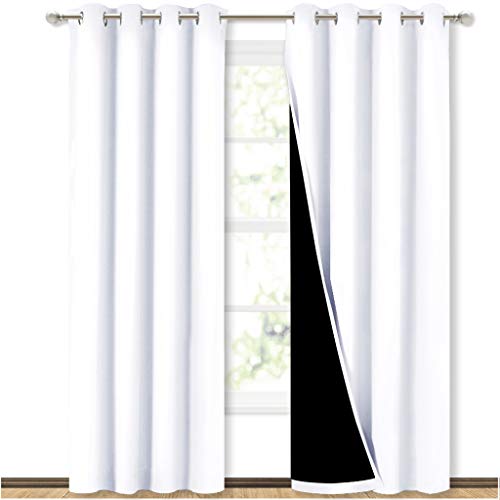
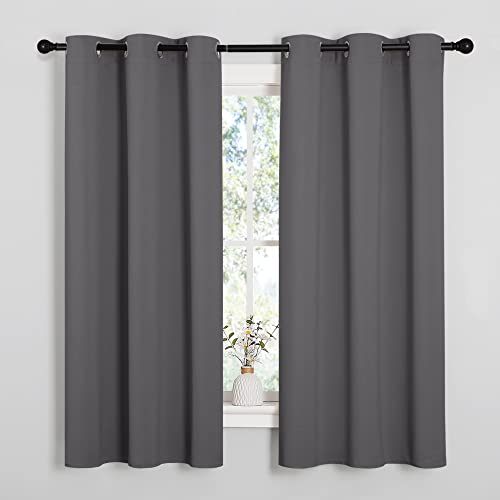

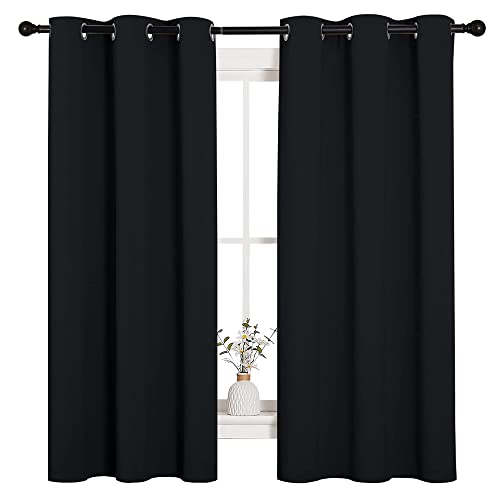
As an Amazon Associate we earn from qualifying purchases at no extra cost to you. Ratings are shown as listed on Amazon.
When a Bed Under a Window Makes Sense
The layout is worth considering when the window wall is the only wall long enough for the bed plus nightstands, when the other walls have doors or closets, or when the window is centered and makes a natural focal point. A queen bed with two 20 in nightstands needs roughly 100–110 in of wall; in many rooms that only happens on the window wall.
It is a poor choice when the window is the bedroom’s only egress window and the bed would block it, when the window is single-glazed in a cold climate, or when the sill is so low that any headboard would cover most of the glass.
Match the Headboard to the Window
| Window situation | Sill height from floor | Headboard that works | Why |
|---|---|---|---|
| High window or clerestory | 48 in+ | Any standard headboard up to 46 in tall | The whole headboard sits below the glass |
| Standard window | 30–42 in | Low headboard, top 2–4 in below sill | Window stays fully usable and visible |
| Low sill or picture window | 18–30 in | Open spindle, slatted, metal frame or no headboard | Light passes through; doesn’t look like a wall in front of glass |
| Floor-length window or doors | 0–12 in | Freestanding upholstered panel or room-divider style headboard set off the glass | Creates a backrest without touching the window |
| Bay window | Varies | Bed centered in or just in front of the bay with a low or no headboard | Bay depth often accommodates nightstands to the sides |
Remember to add up the bed’s stack height. A typical platform frame of 12–14 in plus a 10–12 in mattress puts the sleeping surface at 22–26 in. A headboard needs to rise at least 10–12 in above the mattress to be comfortable for reading, so its top will land around 34–40 in from the floor. With a sill at 36 in, that is a tight fit; a lower frame or a thinner mattress may be what makes it work.
The Four Practical Problems and Their Fixes
1. Drafts
Even good windows radiate cold in winter. Your head ends up the closest body part to the glass, often 12–24 in away. Fixes: upgrade to insulated or cellular shades, which trap a layer of air; choose a padded upholstered headboard that acts as a buffer; and seal any gaps around the frame. Thermal-lined curtains help only if they can actually close behind the bed.
2. Condensation and mold
A headboard pressed tight against the wall below a window blocks airflow, so moisture from the glass collects behind it. Leave at least 3 in, ideally 4–6 in, between the headboard back and the wall or window trim. In humid climates, check behind the headboard every few months.
3. Curtains and blinds
Floor-length curtains won’t close if the bed is pushed to the wall. Options in order of ease:
- Inside-mount blinds or cellular shades that drop within the window frame.
- Café or sill-length curtains that end above the headboard.
- Ceiling-mounted track curtains that run behind a bed placed 6–8 in off the wall.
- Roman shades, which stack neatly above the glass and don’t reach the headboard.
Avoid blinds with dangling cords near pillows, especially in children’s rooms; cordless styles are safer.
4. Safety and egress
In most US jurisdictions, bedrooms need an emergency escape window. If the window behind the bed is your only one, make sure it can still be opened and climbed through. A tall solid headboard and a heavy bed jammed against the sill defeat that purpose. In earthquake-prone areas, avoid heavy wall art or shelves above the bed and consider window film on the glass.
Headboard Styles Compared
| Style | Typical height above floor | Light blocking | Draft buffer | Price range |
|---|---|---|---|---|
| Low upholstered panel | 36–44 in | Blocks lower window only | Good | $100–$400 |
| Wood spindle or slatted | 40–50 in | Low | Low | $120–$500 |
| Metal frame or bar headboard | 40–55 in | Very low | None | $80–$300 |
| Cane or rattan panel | 40–52 in | Partial, filtered light | Low | $150–$600 |
| Freestanding tall upholstered panel | 50–60 in | High | Very good | $200–$700 |
Rail-mounted headboards attached directly to the bed frame are easiest here, because they move with the bed when you pull it away from the window for cleaning. Wall-mounted headboards rarely work under windows since the wall area below the sill is too short.
Bed Against a Window With No Headboard
Skipping the headboard is a legitimate choice, especially with low sills. It keeps the window clear and the room brighter. To make it comfortable and finished:
- Use a platform bed that sits slightly off the wall so pillows don’t slide into the gap. A gap of 2 in or less, or a bed-wedge pillow, stops that.
- Stack pillows deliberately: two sleeping pillows, two Euro shams about 26 x 26 in, and a firm lumbar pillow give a backrest effect.
- Frame the window instead: curtains hung 4–6 in above the frame and 8–12 in past each side make the window act as the headboard.
- Add a narrow ledge or a long bench on the sill if the sill is deep enough, rather than a shelf behind your head.
Layout Checklist
- Measure sill height, window width and wall width on each side.
- Add frame height and mattress thickness to find your sleeping surface height.
- Choose a headboard whose top sits 2–4 in below the sill, or an open style if that is impossible.
- Center the bed on the window, not the wall, unless the window is badly off-center; then center on the wall and balance with lamps.
- Leave 3–6 in behind the headboard for airflow and curtain clearance.
- Keep 24–30 in of walkway on each side for getting in and out of bed.
- Confirm the window can still open fully.
FAQ
Is it bad feng shui to have a bed under a window?
Traditional feng shui prefers a solid wall behind the bed, and a sturdy headboard is the usual compromise. Practically, the bigger concerns are drafts and light, which shades and spacing solve.
Will morning light wake me up?
Likely, if the window faces east. Blackout cellular shades or blackout-lined Roman shades are the most effective fix, since the light falls directly on your face in this layout.