Key takeaways
- Cool mist only: Warm-mist and steam vaporizers heat water to near boiling, which is a burn risk in a room a toddler will eventually be mobile in. Every unit on this list is ultrasonic cool mist for that reason.
- A verified quiet floor: Anything at or below 28 dB sits under the level of a whisper and won’t mask the subtle cues you listen for on the monitor. Be wary of units that only hit their quoted rating on the lowest, least useful output setting.
- Runtime that outlasts the night: Aim for 24 hours minimum at a medium setting. Refilling at 4 a.m. wakes the baby far more reliably than dry air does.
- Top-fill design and a wide tank opening: Biofilm is the real enemy. A tank you can reach into with a cloth — and fill from a pitcher without flipping it over the sink — gets cleaned twice as often in practice.
- Built-in humidistat and auto shut-off: Over-humidifying above roughly 55% invites mould and dust mites. Precise humidity control holds the room in the 40–50% sweet spot, and dry-tank shut-off protects the ultrasonic plate.
What's inside
Ask a pediatric sleep consultant what quietly wrecks more nights than teething, and dry air will come up fast. Forced-air heating in winter and constant air conditioning in summer both pull moisture out of a nursery, and an infant’s nasal passages are narrow enough that a ten-point drop in relative humidity can turn a settled six-hour stretch into a 3 a.m. congested wake-up. Newborns also breathe primarily through the nose for their first several months, so stuffiness doesn’t just interrupt sleep — it interferes with feeding, too.
The problem is that shopping for one means sorting through decibel claims, tank capacities, and app features that may or may not matter when you’re half-awake and holding a baby. This guide focuses on the specifications that actually change sleep outcomes — real noise floor, overnight runtime, refill ergonomics, and how easy the unit is to keep genuinely clean — then reviews the models worth buying in 2026.
As an Amazon Associate we earn from qualifying purchases.



How to Choose an Infant Humidifier (2026)
- Cool mist only: Warm-mist and steam vaporizers heat water to near boiling, which is a burn risk in a room a toddler will eventually be mobile in. Every unit on this list is ultrasonic cool mist for that reason.
- A verified quiet floor: Anything at or below 28 dB sits under the level of a whisper and won’t mask the subtle cues you listen for on the monitor. Be wary of units that only hit their quoted rating on the lowest, least useful output setting.
- Runtime that outlasts the night: Aim for 24 hours minimum at a medium setting. Refilling at 4 a.m. wakes the baby far more reliably than dry air does.
- Top-fill design and a wide tank opening: Biofilm is the real enemy. A tank you can reach into with a cloth — and fill from a pitcher without flipping it over the sink — gets cleaned twice as often in practice.
- Built-in humidistat and auto shut-off: Over-humidifying above roughly 55% invites mould and dust mites. Precise humidity control holds the room in the 40–50% sweet spot, and dry-tank shut-off protects the ultrasonic plate.
The Best Infant Humidifiers (2026) Reviewed
Frida Baby 3-in-1 Cool Mist Humidifier
Frida designed this one around nursery realities: a 60-hour runtime on low, a soft dimmable nightlight, and a carry handle that makes it easy to move between the nursery and a sick-day setup on the sofa. The optional diffuser tray is a nice extra for parents, though I’d leave oils out of it while a baby is in the room.
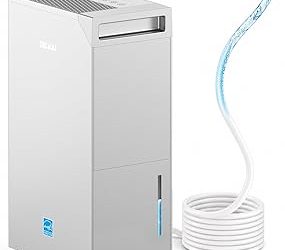
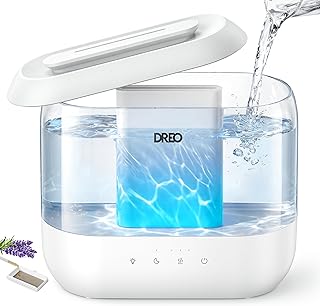
DREO 4L Humidifier (HM311)
The best all-round pick for a standard nursery: a generous 4L tank delivers up to 36 hours between fills, and the 28 dB rating holds up in real rooms rather than just on a spec sheet. The wide top opening is the practical detail here — you can scrub the whole interior by hand in under a minute.
Levoit Top Fill Humidifier (2.5L)
A smart choice for smaller nurseries and apartments where floor space is tight. The 2.5L tank still manages roughly 25 hours, and Levoit’s auto shut-off and simple top-fill design make it one of the lowest-maintenance units I recommend to first-time parents.
DREO Smart 4L Cool Mist Humidifier
Worth the upgrade if you want to adjust mist output from your phone without opening the nursery door — a genuine advantage during a contact nap or an early-evening settle. App scheduling plus voice control lets you hold a target humidity automatically across the night.
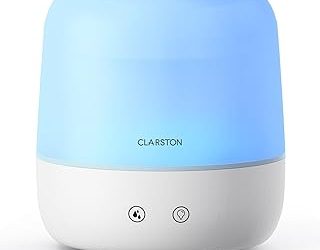
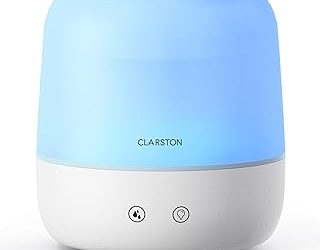
Clarston 2L Cool Mist Humidifier
At 24 dB, this is the quietest unit here, which makes it my pick for light sleepers and for rooms where the humidifier sits close to the crib. The 360° nozzle helps direct mist away from bedding while still covering a decent-sized room for 25 hours.
Frequently Asked Questions
What humidity level should a nursery sit at?
Target 40–50% relative humidity. Below 30% you’ll see dry skin and congestion; above 55% encourages mould growth and dust mites. An inexpensive hygrometer on the far side of the room is a worthwhile companion purchase.
Where should I place the humidifier?
At least three feet from the crib, on a hard surface rather than carpet or upholstery, with the nozzle angled away from bedding. Keep the cord fully out of reach and never place the unit inside or on the crib rail.
How often does it need cleaning?
Rinse and dry the tank daily, and descale with white vinegar weekly. Standing water grows bacteria within days, and an ultrasonic humidifier will aerosolise whatever is in the tank straight into the room.
Can I use essential oils around an infant?
I’d avoid it. Several common oils — eucalyptus and peppermint in particular — can irritate a young child’s airway. Save the diffuser function for adult rooms, and speak to your pediatrician before introducing anything scented.
Final Thoughts
For most nurseries, the DREO 4L (HM311) hits the best balance of runtime, quiet operation, and easy cleaning. Choose the DREO Smart 4L if remote control matters to your bedtime routine, or the Clarston 2L if you want the quietest possible unit close to the crib.