Key takeaways
- Diagnose the mattress first: Lay a broomstick across your bed. If the gap beneath it exceeds roughly an inch and a half, your mattress has structurally failed and no topper will correct it — soft foam over a sag simply follows the sag. Toppers work best on beds that are too firm, not beds that are collapsing.
- Prioritize density over inches: Thickness is marketing; density is engineering. Memory foam in the 3–4 lb/ft³ range resists bottoming out under the hips, while cheap low-density foam compresses flat within weeks. Certifications like CertiPUR-US and Oeko-Tex confirm what’s in the foam, not how well it performs — check both.
- Match the fill to your sleep position: Side sleepers need three inches or more of contouring to let the shoulder and hip sink while the waist stays supported. Back and stomach sleepers usually want less — a thick, plush layer lets the pelvis drop and hyperextends the lumbar curve, which is precisely the ache you’re trying to eliminate.
- Account for heat: Viscoelastic foam softens as it warms, meaning a hot night gradually reduces the support you paid for. Gel infusions, open ventilation channels, and breathable viscose-from-bamboo covers all help the surface hold its shape until morning.
- Anchor it properly: Measure your mattress depth before ordering. A topper that shifts overnight creates ridges under your lumbar spine, so look for deep elastic skirts, corner straps, or a grippy non-slip base — and confirm the pocket range covers your mattress plus any existing protector.
What's inside
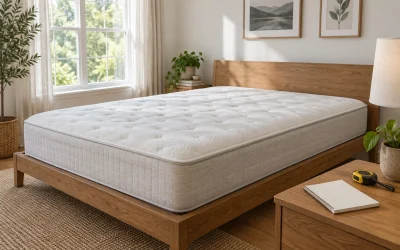
Lower-back pain has a habit of announcing itself at 6 a.m., before you’ve even swung your legs out of bed. Morning stiffness that eases within an hour is one of the clearest signals that your sleep surface — not your posture, your desk chair, or your workout — is the variable worth changing. The trouble is that a new mattress is a several-hundred-dollar experiment, and the topper aisle has become a wall of nearly identical listings, all promising “back pain relief” with very little explanation of how they intend to deliver it.
As a sleep-wellness writer who spends a lot of time reading foam spec sheets, I’ll be blunt: a topper is a tuning tool, not a rescue mission. Used correctly, it can restore neutral spinal alignment on a bed that’s gone too firm, or cushion the hips and shoulders on a surface that’s punishing your pressure points. Below, you’ll find the buying criteria that actually correlate with back relief, followed by hands-on style assessments of the toppers most worth your attention in 2026.
As an Amazon Associate we earn from qualifying purchases.


🛒 Best Price Today on Amazon
Prime members get fast, free shipping on everything above, plus member-only deals. New members get a 30-day free trial — cancel anytime.
How to Choose a Mattress Topper For Bad Back (2026)
- Diagnose the mattress first: Lay a broomstick across your bed. If the gap beneath it exceeds roughly an inch and a half, your mattress has structurally failed and no topper will correct it — soft foam over a sag simply follows the sag. Toppers work best on beds that are too firm, not beds that are collapsing.
- Prioritize density over inches: Thickness is marketing; density is engineering. Memory foam in the 3–4 lb/ft³ range resists bottoming out under the hips, while cheap low-density foam compresses flat within weeks. Certifications like CertiPUR-US and Oeko-Tex confirm what’s in the foam, not how well it performs — check both.
- Match the fill to your sleep position: Side sleepers need three inches or more of contouring to let the shoulder and hip sink while the waist stays supported. Back and stomach sleepers usually want less — a thick, plush layer lets the pelvis drop and hyperextends the lumbar curve, which is precisely the ache you’re trying to eliminate.
- Account for heat: Viscoelastic foam softens as it warms, meaning a hot night gradually reduces the support you paid for. Gel infusions, open ventilation channels, and breathable viscose-from-bamboo covers all help the surface hold its shape until morning.
- Anchor it properly: Measure your mattress depth before ordering. A topper that shifts overnight creates ridges under your lumbar spine, so look for deep elastic skirts, corner straps, or a grippy non-slip base — and confirm the pocket range covers your mattress plus any existing protector.
The Best Mattress Toppers For a Bad Back (2026), Reviewed
PERLECARE 3-Inch Gel Memory Foam Topper
This is the most balanced option here for the majority of back-pain sufferers: three inches is enough to relieve hip and shoulder pressure without letting the pelvis sink out of alignment, and the non-slip base solves the shifting problem that plagues foam slabs. The removable, washable cover and Oeko-Tex certification make it an easy long-term recommendation.
SINWEEK 3-Inch Gel Memory Foam Topper
A well-executed take on the ventilated high-density formula, with open channels that keep the foam from turning into a heat trap and softening past the point of usefulness. If your mattress is firm and unforgiving rather than worn out, this is the most straightforward fix on the list.
SHOUREN 5-Inch Memory Foam Topper
Five inches is a serious commitment, and it suits a specific buyer: a side sleeper on a very firm bed who needs deep shoulder and hip immersion before the spine will straighten out. The four-way straps are essential at this height — and if you want similar loft with a softer, less contouring feel, the WhatsBedding 5-Inch pillow top is the comparable alternative.
BEDLORE Viscose Bamboo Pillow Top Topper
For people who want cushioning without the slow-sink sensation of memory foam, this thick pillow-top delivers plush surface comfort with markedly better airflow. The stretch pockets accommodate a wide 6″–18″ depth range, making it the most fit-flexible pick for hot sleepers with mild morning stiffness.
ELEMUSE Extra Thick Pillow Top Topper
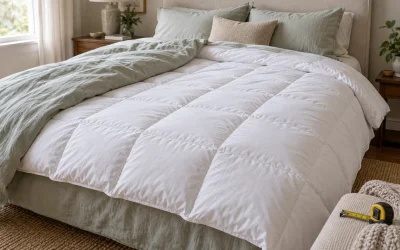
Overfilled down-alternative fill gives this one a cloud-like surface that takes the edge off an aggressively firm mattress. Best suited to back and combination sleepers who need cushioning rather than deep contouring; dedicated side sleepers will likely want foam instead.
Frequently Asked Questions
Can a topper genuinely reduce back pain?
It can, when the pain stems from misalignment or pressure buildup on an overly firm bed. It cannot compensate for a sagging mattress, a worn foundation, or an underlying clinical issue — persistent pain deserves a conversation with a physician or physiotherapist.
Is a thicker topper always better for a bad back?
No. Excess loft can undo the support your mattress provides, allowing the hips to drop and the lumbar spine to arch. Three inches suits most sleepers; reserve four to five inches for side sleepers on genuinely firm surfaces.
Memory foam or pillow top?
Memory foam contours to your body and excels at pressure redistribution, making it the stronger choice for hip and shoulder relief. Pillow tops add plush surface cushioning and sleep cooler, but offer less alignment correction.
How long is the adjustment period?
Give any new topper two to three weeks. Your spine and surrounding musculature adapt to a changed surface gradually, and it’s common for stiffness to fluctuate before it settles.
Final Thoughts
For most people waking up with a sore lower back, the PERLECARE 3-Inch Gel Memory Foam Topper hits the right balance of contouring and support at a sensible thickness, with the SINWEEK 3-Inch a close and well-ventilated runner-up. Side sleepers who need substantially more give should look to the SHOUREN 5-Inch — just measure your mattress and secure the straps before your first night.