Key takeaways
- How to Choose Die Cast Model Car Display Cases with Mirrored Backs and Lighting: What Actually Matters
- Best Die Cast Model Car Display Cases with Mirrored Backs and Lighting in 2026: Compared and Ranked
- How to Choose Card Display Frames: What Actually Matters
- How to Choose Card Display Frames: What Actually Matters
- How to Choose LED Lit Curio Cabinets for Collectible Figurine Display: What Actually Matters
What's inside
- Understanding Acrylic Clarity and UV Protection
- Lighting Color Temperature and Intensity
- Evaluating Mirrored Back Panels for Depth
- Scale Compatibility and Shelf Spacing
- Power Sources: USB, Battery, and Hardwired Options
- Dust Sealing and Enclosure Integrity
- Mounting Hardware and Wall-Weight Capacity
- Related Guides
- FAQ
- Related Guides
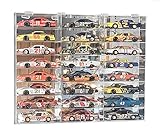
Collecting die-cast model cars is a labor of love, requiring patience, a keen eye for detail, and a significant financial investment. By 2026, the market for display enclosures has advanced dramatically, moving far beyond basic plastic boxes to offer museum-grade presentation features. When you integrate mirrored backs and professional-grade lighting into a display case, you completely transform how your collection is perceived, turning a standard shelf into a dynamic, gallery-worthy showcase that highlights every curve and livery detail of your favorite 1:18 or 1:24 scale models.
- Understanding Acrylic Clarity and UV Protection
- Lighting Color Temperature and Intensity
- Evaluating Mirrored Back Panels for Depth
- Scale Compatibility and Shelf Spacing
- Power Sources: USB, Battery, and Hardwired Options
- Dust Sealing and Enclosure Integrity
- Mounting Hardware and Wall-Weight Capacity
- Related Guides
- FAQ
- Related Guides
However, not all illuminated and mirrored display cases are created equal. Poorly diffused lighting can create harsh glares, cheap acrylic scratches easily and yellows over time, and inadequate sizing can leave your prized centerpieces cramped or completely unsupported. Navigating these specifications requires looking past glossy marketing photos to evaluate the structural integrity, electrical safety, and optical quality of the materials. This guide breaks down the core factors that genuinely matter when selecting the ideal home for your miniature automotive fleet.
As an Amazon Associate we earn from qualifying purchases at no extra cost to you. Product prices and availability are accurate as of the date shown and are subject to change.
Understanding Acrylic Clarity and UV Protection
The primary barrier between your collection and the outside world is the transparent paneling, which is typically manufactured from either extruded acrylic, cast acrylic, or tempered glass. Cast acrylic is vastly superior for high-end displays because it offers higher optical clarity with zero distortion, ensuring your models look crisp from every viewing angle. Furthermore, ultraviolet filtration is a non-negotiable feature if your display area receives any ambient sunlight. UV rays rapidly degrade delicate decals, fade custom paint jobs, and turn plastic components brittle. Always verify that the front and side panels block at least 95 percent of harmful UV light to preserve the long-term value of your collection.
Lighting Color Temperature and Intensity
Integrated lighting dictates how accurately your models’ paint finishes are rendered under inspection. LEDs with a Color Rendering Index of 90 or higher are essential for true-to-life color representation, preventing metallic flakes and gloss clears from looking washed out or artificially tinted. Pay close attention to the color temperature measured in Kelvin. Warm white lighting around 2700K to 3000K creates a cozy, classic showroom ambiance, while neutral to cool white lighting between 4000K and 5000K mimics bright daylight, highlighting modern race liveries and carbon fiber weaves. Additionally, look for cases featuring diffusers over the LED strips; exposed individual diode dots bouncing off your cars and the mirrored back create an unappealing, dotted reflection pattern.
Evaluating Mirrored Back Panels for Depth
A mirrored back panel serves a dual purpose: it visually doubles the size of your collection while allowing you to admire the rear styling, exhausts, and engine bays of front-facing models without having to physically handle them. When evaluating mirrors, check whether the reflective coating is applied to the front or back of the substrate, and ensure the material is thick enough to prevent warping. Thin mirrored plastic sheets can easily flex during installation or temperature fluctuations, resulting in a distorted, funhouse-mirror effect that ruins the sophisticated aesthetic. Opt for rigid glass mirrors or high-thickness mirrored acrylic backed by a sturdy structural frame.
Scale Compatibility and Shelf Spacing
Model car scales vary wildly, and buying a generic display case without measuring your specific collection is a recipe for regret. A standard 1:18 scale model requires significantly more vertical clearance and shelf depth than a 1:43 or 1:64 scale car. Check the interior dimensions of each tier carefully, ensuring there is at least an inch of clearance above the tallest antenna or roofline to prevent accidental damage. Adjustable shelving is a massive advantage if your collection features a mix of scales, allowing you to reconfigure the interior layout as your automotive fleet grows and evolves over time.
Power Sources: USB, Battery, and Hardwired Options
The method used to power your display case lighting directly impacts where you can place the unit and how clean your setup looks. Battery-powered cases offer ultimate placement flexibility away from wall outlets, but constantly changing AA or lithium-ion batteries gets tedious and expensive. USB-powered cases provide a reliable, low-voltage solution that can easily plug into standard phone chargers, power banks, or computer USB ports. For permanent wall-mounted installations, low-voltage hardwired setups or discreetly routed USB cables running down wall channels ensure zero visible cord clutter, maintaining that clean, museum-style aesthetic.
Dust Sealing and Enclosure Integrity
Dust is the mortal enemy of detailed scale models, settling into panel gaps, intricate wire wheels, and interior cockpit spaces where it is nearly impossible to clean safely. A quality display case must feature a tight seal along its doors, seams, and joints to keep airborne particulates at bay. Magnetic closures or tightly fitted sliding glass or acrylic doors provide a secure barrier without requiring cumbersome latches. If you live in an arid or dusty climate, inspecting the perimeter for rubber gaskets or precision-milled interlocking channels will save you countless hours of delicate detailing work down the road.
Mounting Hardware and Wall-Weight Capacity
Display cases filled with multiple die-cast metal models become surprisingly heavy, often weighing anywhere from fifteen to over forty pounds depending on the size and materials used. Wall-mounted cases require robust French cleats or heavy-duty steel mounting brackets anchored directly into wall studs, rather than relying solely on drywall anchors that can pull loose over time. If you prefer a tabletop or desktop showcase, ensure the base has a wide footprint and non-slip rubber feet to prevent accidental tipping from minor bumps or vibrations.
Related Guides
To explore more ways to showcase your prized possessions, check out our expert recommendations. For a complete market overview, read our die-cast display case rankings. If you are also looking to organize other high-end collectibles around your living space, take a look at the luxury shoe storage guide for more innovative lighting solutions.
FAQ
Can I remove the mirrored back panel if I prefer a clear or black background?
Most integrated display cases permanently bond the mirrored panel to the structural backing to maintain structural rigidity and housing seals. If you prefer versatile backgrounds, look for modular cases that utilize interchangeable magnetic backer boards.
How do I clean interior acrylic panels without scratching them?
Always use a specialized anti-static acrylic cleaner paired with a high-grade, plush microfiber cloth. Never use standard household glass cleaners containing ammonia, as they will cloud, craze, and permanently ruin acrylic surfaces.
Do LED lights inside display cases generate enough heat to damage model cars?
Modern LED strips operate at very low temperatures and emit virtually zero infrared heat, making them completely safe for prolonged exposure next to plastic parts, decals, and resin models. However, always ensure proper ventilation if using secondary high-intensity spotlights.
Is it safe to place a wall-mounted display case on drywall alone?
For small, lightweight countertop cases, drywall is fine, but any medium to large wall-mounted display holding heavy die-cast metal models must be anchored directly into wooden wall studs. Failing to secure the unit properly risks catastrophic structural failure and the destruction of your collection.