Key takeaways
- You get a functional pad or protector regardless. A waterproof, breathable protector is worth owning on its own; the copper does not detract from that.
- Odor resistance. Copper-infused fabrics tend to hold sweat smell less than untreated polyester, which matters for a pad that is washed every few weeks rather than weekly.
- Cool initial touch. The copper threads pull heat from your skin on contact, so the surface feels cooler for the first minutes in bed.
- Modest price premium at the low end. Fabric protectors with copper often cost only a few dollars more than plain ones.
- Washable and durable. Copper oxide bonded into the fiber does not wash out the way sprayed-on treatments do.
- Foam versions add real comfort. A 1- to 2-inch copper memory foam topper softens a firm mattress the same as any foam topper of the same thickness.
The Short Answer
It depends, and the condition is simple: buy a copper infused mattress pad if you would be buying a mattress pad or protector anyway and the copper version costs no more than $10 to $20 extra. In that case you get a perfectly good pad with a modest bonus in odor control and a slightly cooler surface feel. Do not buy one expecting the copper itself to fix night sweats, joint pain, or allergies. The copper in these products is a small amount of copper-oxide fiber or copper-infused foam, and its practical effect on how you sleep is minor compared to the pad’s thickness, fabric, and waterproof layer. Pay for the pad, treat the copper as a nice extra, and you will be satisfied. Pay a premium for the copper alone and you will feel shortchanged.
What You Actually Get
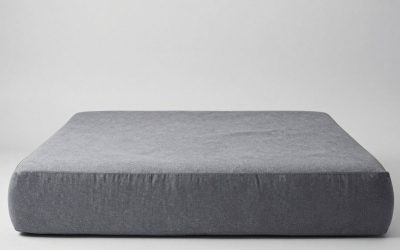
Copper infused pads come in two very different forms that often get lumped together. The first is a fabric mattress protector or thin pad, usually a knit or jacquard top layer with copper-oxide threads woven in, over a waterproof polyurethane membrane, with a fitted skirt for mattresses 8 to 18 inches deep. These weigh 2 to 4 pounds in queen size, machine wash on cold, and cost $25 to $60; the Cloudnest Copper Infused Waterproof Mattress Protector, a noiseless jacquard-knit queen with deep pockets, sells for about $27.99. The second form is a memory foam topper with copper particles mixed into the foam, typically 1 to 3 inches thick and 8 to 25 pounds, priced $50 to $200; the Greaton 1-Inch Copper-Infused Memory Foam Mattress Topper in king, with an airflow-channel design, runs around $52.63. In both cases the copper content is small by weight. What you are mostly buying is the underlying product: a waterproof protector that guards the mattress, or a thin foam layer that softens a firm bed. Copper adds a claimed antimicrobial and odor-reducing property and a marginally cooler hand-feel because copper conducts heat away from the skin faster than plain polyester. In 2026, the copper label adds anywhere from $5 to $40 to an otherwise similar product.
Our top picks


As an Amazon Associate we earn from qualifying purchases at no extra cost to you.
Pros
- You get a functional pad or protector regardless. A waterproof, breathable protector is worth owning on its own; the copper does not detract from that.
- Odor resistance. Copper-infused fabrics tend to hold sweat smell less than untreated polyester, which matters for a pad that is washed every few weeks rather than weekly.
- Cool initial touch. The copper threads pull heat from your skin on contact, so the surface feels cooler for the first minutes in bed.
- Modest price premium at the low end. Fabric protectors with copper often cost only a few dollars more than plain ones.
- Washable and durable. Copper oxide bonded into the fiber does not wash out the way sprayed-on treatments do.
- Foam versions add real comfort. A 1- to 2-inch copper memory foam topper softens a firm mattress the same as any foam topper of the same thickness.
Cons
- Cooling effect is fleeting. Once the fabric reaches skin temperature, which takes minutes, the copper contributes nothing further. The pad’s breathability and thickness decide how hot you sleep.
- Health claims are marketing. Assertions about pain relief, circulation, or immune benefits from sleeping on copper are not something a mattress pad can deliver. Judge the product as a pad, not a therapy.
- Waterproof layers trap heat. Most copper protectors include a polyurethane membrane, and that membrane runs warmer than an uncoated cotton pad no matter what fiber sits above it.
- Price premium is inconsistent. Some brands charge double for the copper label; compare the same construction with and without it before buying.
- Foam versions still off-gas. Copper does not change the 1- to 3-day airing-out period new memory foam needs.
- Not a fix for allergies on its own. A zippered six-sided encasement blocks dust mites; a fitted copper pad only covers the top.
Who Should Buy It
Anyone shopping for a waterproof mattress protector who sees a copper version within $10 to $20 of a comparable plain one. Hot sleepers who want a slightly cooler-feeling surface and understand it is a small effect. People who wash bedding less often than weekly and appreciate a fabric that resists smelling stale. Sleepers on a firm mattress who want a thin foam topper and find a copper-infused one at a fair price; the copper is harmless and the foam does the real work. Parents protecting a mattress from accidents, since the waterproof layer is the important part and the copper is a bonus against odor.
Who Should Skip It
Anyone whose main problem is serious overheating; a wool or cotton pad without a waterproof membrane, or a bed fan, will do far more. People buying specifically for joint pain, arthritis, or circulation, since a pad cannot address those. Allergy sufferers who need dust mite protection; get a full zippered encasement first, copper or not. Buyers comparing a $60 copper protector to a $25 plain one with the same fabric and membrane; the copper does not justify that gap. Anyone sensitive to metals or with a known copper allergy, which is rare but real.
Cheaper Alternatives
| Option | Cost | Trade-off |
|---|---|---|
| Plain waterproof mattress protector, cotton terry or knit top | $15 to $35 | Same protection and washability; no odor-resistant fiber, may smell sooner between washes |
| Quilted cotton mattress pad, no waterproof layer | $25 to $50 | Breathes far better and sleeps cooler; offers no spill protection |
| Bamboo or Tencel fitted protector | $25 to $50 | Cool, soft, and moisture-wicking; typically includes a membrane so heat retention is similar |
| Wool mattress pad, 1 inch | $100 to $200 | Best natural temperature regulation and odor resistance; costs more and is not waterproof |
| Zippered six-sided dust mite encasement | $30 to $80 | Real allergen barrier on all sides; adds no comfort and can feel slightly crinkly |
| Plain gel memory foam topper, 2 inches | $40 to $80 | Same softening and similar cooling as copper foam; lacks the copper label |
| Wash sheets weekly and air the mattress monthly | $0 | Handles odor and freshness better than any fiber treatment; no spill protection |
FAQ
Does copper in a mattress pad actually kill bacteria?
Copper surfaces have recognized antimicrobial properties, and copper-oxide fibers can reduce bacterial growth on the fabric itself. That translates to less odor between washes. It does not make the pad self-cleaning, and you still need to wash it every 2 to 4 weeks like any other pad.
Will a copper infused pad keep me cool all night?
No. The cooling sensation comes from copper conducting heat away from your skin on first contact, and it fades within minutes as the fabric warms. Whether you sleep hot depends on the pad’s thickness, its waterproof layer, your sheets, and the room, not on the copper content.
How do I wash a copper infused mattress pad?
Most are machine washable on cold or warm with mild detergent and tumble dry on low. Skip bleach and fabric softener; bleach can degrade the waterproof membrane and softener coats the fibers. Copper bonded into the yarn survives normal washing for the life of the pad, typically 2 to 4 years.
Is a copper foam topper different from a copper fabric pad?
Very. The foam topper is a comfort product that softens the bed by 1 to 3 inches and happens to contain copper particles. The fabric pad is a thin protector that guards the mattress and happens to contain copper threads. Decide which job you need done first, then treat the copper as a tiebreaker.