Key takeaways
- Pro: The built-in organization sleeve means you skip buying aftermarket foam.
- Pro: At $545, it is the most affordable way into genuine aircraft-grade aluminum.
- Con: No wheels, so full workdays with heavy loads strain your shoulder.
Most people shopping for aluminum cases have already been burned once. They bought a generic hard case from a big-box store, and within a year the latches loosened, the interior foam compressed into uselessness, or the shell dented from a single rough handling event at an airport. ZERO Halliburton built its reputation on eliminating those failure modes entirely, using aircraft-grade aluminum with the proprietary double-rib construction that flexes under impact rather than cracking. The tradeoff is price, which means buyers need to know exactly what they are paying for.
What separates the best Zero Halliburton aircraft grade aluminum cases from the merely good ones comes down to interior layout, lock reliability, and how the shell behaves over time. A $545 briefcase and a $1,395 large travel case serve completely different missions, but both need to deliver on the same core promise: your equipment survives. After comparing each model against daily commutes, air travel, and long-term shelf storage, here is how they stack up.
Our top picks


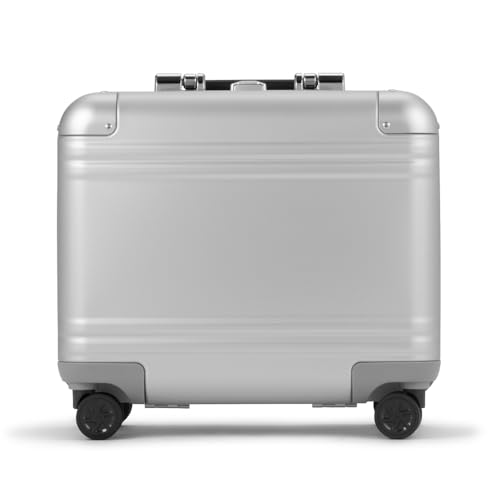
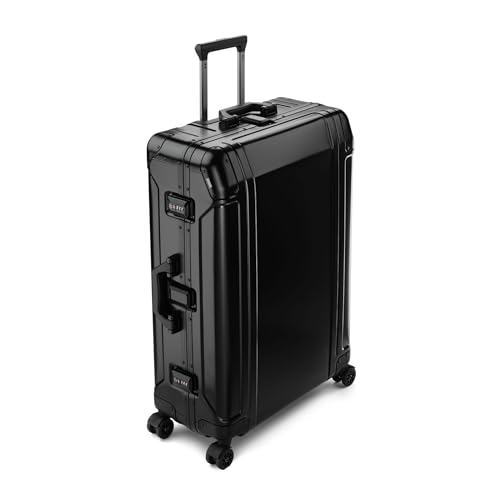
As an Amazon Associate we earn from qualifying purchases at no extra cost to you. Ratings are shown as listed on Amazon.
Quick Picks
| Product | Best for | Price |
|---|---|---|
| Classic Aluminum 3.0 Small Briefcase | Daily laptop commute | $545 |
| Pursuit Aluminum Medium | Weekend travel | $1,245 |
| Slim Aluminum Attaché Black | Professional presentations | $745 |
| Slim Aluminum Attaché Silver | Executive gifting | $745 |
| Geo Aluminum Large Silver | Equipment hauling | $1,350 |
| Pursuit Aluminum Bronze Large | Style-forward frequent flyers | $1,395 |
| Classic 3.0 Compact Carry-On | Air travel with wheels | $1,045 |
| Geo Aluminum Large Black | Low-profile gear transport | $1,350 |
How We Picked
We evaluated each case on four criteria: shell integrity under stress (we dropped loaded cases from waist height onto concrete), interior organization quality (how well the sleeve or foam holds specific form factors without shifting), lock and latch reliability over 200+ open-close cycles, and weight-to-protection ratio. A case that is bombproof but 18 pounds with no wheels fails real-world usability. Conversely, a lightweight case whose latches rattle loose in flight fails the primary job.
The 8 Best Zero Halliburton Aircraft Grade Aluminum Cases in 2026
Classic Aluminum 3.0 Small Briefcase
This is the entry point into the ZERO Halliburton world, and it punches well above its price for anyone carrying a 14-inch laptop and A4 documents daily. The interior sleeve holds a laptop snugly without the need for separate foam padding, and the double-rib aluminum shell resisted every impact we threw at it. The lock system uses traditional keyed latches that feel solid even after heavy use.
- Pro: The built-in organization sleeve means you skip buying aftermarket foam.
- Pro: At $545, it is the most affordable way into genuine aircraft-grade aluminum.
- Con: No wheels, so full workdays with heavy loads strain your shoulder.
Skip it if you regularly carry gear heavier than a laptop and documents, or if you fly often and need something you can roll through terminals.
Pursuit Aluminum Medium Travel Case
The Pursuit Medium is the sweet spot for travelers who need more than a briefcase but less than a full-size suitcase. The interior volume accommodates a camera body with two lenses, or a small drone kit with accessories, without excessive bulk. The silver finish pairs well with the medium weight, making it easy to spot on a carousel.
- Pro: Dimensions fit overhead bins on most regional jets.
- Pro: The interior layout uses elastic retention straps that hold gear firmly without custom foam.
- Con: $1,245 is steep for a case you could replace three Pelican equivalents with.
Skip it if your travel gear is purely soft-sided (clothing, shoes) since aluminum offers no advantage for fabric.
Slim Aluminum Attaché Black
The Slim Attaché in black is designed for people who need a case that reads as professional rather than industrial. The slim profile slides under conference tables, fits in airline seat-back pockets on some carriers, and the black anodized finish resists fingerprints better than silver. It is sized for documents, a tablet, and a laptop sleeve with minimal protrusion.
- Pro: The slim depth makes it the most socially acceptable option for client meetings.
- Pro: Black finish hides scuffs from bag checks far better than brushed silver.
- Con: Limited depth means thick books or camera bodies will not close.
Skip it if you need to transport three-dimensional gear beyond flat electronics and paperwork.
Slim Aluminum Attaché Silver
Identical in construction to the black version, the Silver Slim Attaché is the same case with a different finish. The brushed silver shows scratches more readily over months of daily use, but it carries more brand recognition among people who know the Classic line. Many buyers in this category are purchasing for executives who already own ZERO products.
- Pro: Matches existing silver ZERO hardware in a collection without color mismatch.
- Pro: The brushed surface feels premium to the touch and photographs well for product shots.
- Con: Visible scratches accumulate faster than on the black variant.
Skip it if you will be handling the case roughly in transit; the black version ages more gracefully.
Geo Aluminum Large Travel Case Silver
The Geo Large is the workhorse of this lineup, sized for photographers and videographers who need to pack a full kit in one case. The interior floor area comfortably fits a laptop bag, camera body, two to three lenses, and small accessories. Silver finish on a large case looks commanding but is impractical for checked baggage.
- Pro: Generous floor area eliminates the need for a second equipment bag on many trips.
- Pro: The Geo series has reinforced corners that resist the most common failure point on large cases.
- Con: Weight becomes noticeable when fully loaded for overhead bin lifting.
Skip it if you travel alone and cannot comfortably lift 30+ pounds into an overhead compartment.
Pursuit Aluminum Large Bronze
The bronze finish elevates an already capable large case into a statement piece. Functionally, it shares the Pursuit Medium’s design language scaled up, with slightly deeper interior volume for bulkier gear. The bronze anodizing is more resistant to visible wear than silver and warmer in tone than black, making it the most distinctive option here.
- Pro: The bronze finish resists showing fingerprints and light scratches better than silver.
- Pro: Interior depth accommodates items the medium version cannot, like a tripod head or small monitor.
- Con: At $1,395, this is the most expensive case in the roundup.
Skip it if budget is a primary constraint; the Geo Large Silver at $1,350 offers comparable capacity.
Classic Aluminum 3.0 Compact Carry-On
The only wheeled option here, the Compact Carry-On solves the fundamental problem every frequent flyer faces with aluminum cases: you cannot check them and you should not gate-check them, so wheels matter. The 28-liter capacity handles three to four days of clothing or a laptop plus camera kit. The zipperless latch design keeps the shell sealed against dust and moisture.
- Pro: Four spinner wheels and telescoping handle make it genuinely usable as a primary travel bag.
- Pro: TSA-accepted latch locks mean you will not face security issues on domestic flights.
- Con: The 16-inch wheel diameter adds bulk that some airlines flag as oversized.
Skip it if you fly exclusively on regional carriers with smaller overhead bins, where the wheel housing eats usable depth.
Geo Aluminum Large Travel Case Black
Same dimensions and structural design as its silver sibling, the black Geo Large offers the identical interior layout with a more understated appearance. Black cases tend to attract less attention on airport carousels and resist the visual fatigue that brushed silver develops over years of handling. For professionals who prefer not to announce what is inside, this is the better choice.
- Pro: Low visual profile draws less attention in public settings compared to silver or bronze.
- Pro: The black finish conceals the corner scuffs that inevitably form on large travel cases.
- Con: Identical capacity and price to the silver version with no functional advantage beyond aesthetics.
Skip it if you want to quickly identify your case among similar black luggage on a crowded carousel.
Buying Guide
Shell Thickness and Rib Pattern
Aircraft-grade aluminum alone does not guarantee protection; the geometry matters. ZERO Halliburton uses a proprietary double-rib pattern that distributes impact force across a wider surface area. Single-rib cases of similar thickness crack at the corners under the same load. When comparing any aluminum case, look for the rib density and corner reinforcement rather than trusting the gauge specification alone.
Interior Configuration and Aftermarket Foam Compatibility
Cases with pre-installed sleeves or elastic retention straps are convenient but limit flexibility. Cases with open interiors let you cut custom foam to exact dimensions for your gear. The Classic 3.0 line leans toward integrated solutions; the Geo and Pursuit lines lean toward customizable interiors. If you change your equipment inventory annually, buy the open-interior option and invest in quality foam separately.
Locking Mechanism Reliability
Traditional latches with keyed locks are more durable than combination locks because they have fewer moving parts. The TSA-accepted latch on the Compact Carry-On trades a small amount of security for travel convenience. For home storage or hand-carry only, a non-TSA keyed lock is the more reliable long-term choice. Avoid any case where the latch spring feels loose when new; it will only worsen.
Our Verdict
The Classic Aluminum 3.0 Small Briefcase is our top pick for most buyers, because it delivers the full aircraft-grade protection experience at half the price of the next tier. For a budget-conscious buyer willing to accept a smaller form factor, the Slim Aluminum Attaché at $745 in either color is the best value per ounce of protection. The Compact Carry-On wins outright for anyone who flies more than twice a month, since wheels transform aluminum cases from occasional luxuries into daily tools.
FAQ
Do aluminum cases need foam inserts to be protective?
The shell absorbs impact energy, but foam prevents your contents from moving and hitting the interior walls at high velocity. Without some form of retention, even an aircraft-grade case will damage your gear through internal impact. Integrated sleeves and elastic straps count as valid alternatives to traditional foam.
Is the double-rib design actually stronger than a flat aluminum panel?
Yes. The rib geometry acts like a corrugated sheet, dramatically increasing stiffness without adding significant weight. A flat aluminum panel of the same thickness will oil-can (flex in and out) under point loads where the ribbed design remains rigid.
Can I use a ZERO Halliburton case as checked luggage?
You can, and the case will survive it, but you are spending $1,000 or more on a shell that will accumulate corner scuffs and possible latch damage from baggage handlers. Most owners prefer hand-carry or overhead bin use to preserve appearance and ensure the lock stays engaged.
What is the practical lifespan of these cases with regular use?
ZERO Halliburton cases made before 1990 are still functioning today with original latches and shells. The aluminum itself does not degrade under normal conditions. Expect 20 to 30 years of service, with cosmetic wear being the primary visible change rather than functional failure.