Key takeaways
- Learn how to choose the best stake pocket truck rack for your pickup: no-drill fit, bed size, height, material and load limits explained in one clear guide.
As an Amazon Associate we earn from qualifying purchases.
A stake pocket rack answers a simple question that every pickup owner eventually faces: how do you carry long, awkward cargo without drilling into the truck you paid good money for? Lumber, ladders, kayaks and pipe all overhang a short bed, and a rack that drops into the stake pockets along the bed rails gives that cargo a second support point. The real decision is not which rack looks toughest in a photo. It is whether the mounting style suits your truck, whether the height clears your garage and your cargo, and whether the load limit matches what you actually haul.
Tradespeople who move ladders and conduit every weekday need something different from a weekend paddler who loads two kayaks a few times a summer, and both differ from a homeowner who only wants help with the occasional lumber run. This guide walks through stake-pocket mounting, bed fit, height, material and load limits, so each of those buyers can tell a good match from a poor one before spending anything.
How Stake Pocket Mounting Works
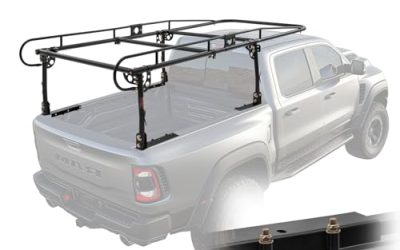
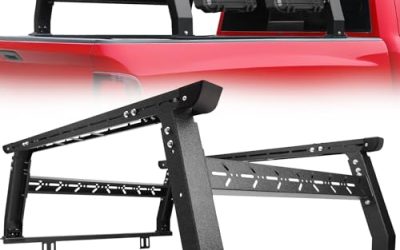
Stake pockets are the rectangular openings spaced along the top of a pickup bed’s side rails. On trucks that have them, they were built into the bed design for exactly this kind of accessory, and a stake pocket rack uses them as its anchor points. Short posts on the rack drop into the pockets, and clamps or bolts tighten the assembly against the rails. Because the pockets themselves carry the connection, the install usually needs no drilling, which keeps the bed metal intact and makes removal far less of a project.
That convenience comes with a condition worth checking early. Not every pickup has open, usable stake pockets. Some trucks leave the factory without them, while others hide them under a spray-in bed liner, a drop-in liner or a tonneau cover rail. Before choosing any rack, look at your own bed rails in daylight and confirm the pockets are present, open and roughly the shape the rack expects. Pocket size and spacing vary between makes and bed lengths, so a rack that fits one truck may not sit properly on another, even when both are full-size pickups.
Height and adjustability matter here too. Many stake pocket racks offer more than one height, or uprights that slide and lock at different positions. A lower setting keeps the loaded truck shorter for parking garages and low branches, while a taller setting leaves room for bulky cargo underneath. Adjustable crossbars add another useful option, letting the rack span the bed width on one truck and move to a different truck later, provided the stake pockets line up.
How to Choose
Confirm the Fit Before Anything Else
Fit decides everything about a stake pocket rack, so check it before material or brand. Start with your truck’s year, make, model and bed length, then compare those details against the rack’s published fitment information. A short, standard or long bed places the stake pockets in different positions, and the gap between the front and rear pockets shapes how stable the rack feels under a load. Measure the inside width of your bed too: a rack that is too narrow will not reach both rails, and one that is too wide cannot be tightened down squarely. Check what already sits on the bed rails, since a tonneau cover or thick liner can block the pockets.
Match Height to Your Cargo and Your Garage
Rack height controls two things at once: what fits underneath the crossbars and whether the loaded truck still fits where you park it. A taller rack leaves room for toolboxes, coolers or a bed full of gear beneath long cargo, which suits contractors and campers who pack the bed as well as the rack. That same height, though, can push a kayak or a ladder above a garage door or a low branch on a familiar route. Think through a normal trip rather than a single measurement: picture the tallest item you carry, add the rack height above the bed rails, and compare the total against the lowest clearance you regularly drive under.
Weigh Steel Against Aluminum
Steel and aluminum both appear in stake pocket racks, and each brings a different trade-off to a working truck. Steel generally feels heavier and more rigid, which appeals to buyers who load ladders, pipe or building materials and want the rack to stay put on rough roads. The extra weight, however, often makes installation a two-person job, and steel needs a sound coating to hold off rust where cargo chips the finish. Aluminum weighs less, resists corrosion more naturally and is easier for one person to lift on and off the bed, which suits buyers who remove the rack between trips or watch their payload closely.
Read the Load Limit the Way It Is Written
Every rack carries a load limit set by its maker, and understanding that number is more useful than comparing one rack against another. A stated limit usually assumes the weight is spread evenly across the crossbars, not piled on one side or concentrated at a single point. Cargo that hangs far past the rear bar shifts the balance and puts more force on the front mounts than the headline number suggests, so a load that looks light on paper can still strain the rack. Treat the manufacturer’s limit as a ceiling, not a target, and leave a margin for straps, pads and the cargo itself.
Staying Safe With a Loaded Rack
A rack only does its job when the cargo stays where it was loaded, so securing the load deserves as much care as choosing the rack. Use ratchet straps or cam straps rated for the weight involved, and run at least two straps over long items so that one failure does not free the whole load. Position straps where they pull the cargo down onto the crossbars rather than sideways, and add padding where a strap crosses a sharp edge that could cut through it on a long drive.
Check the rack itself before every trip, not just after installation. Vibration loosens clamps and bolts over time, so give each mount a firm tug and confirm the posts still sit tight in the stake pockets. Look for cracked welds, bent uprights or a finish that has worn through to bare metal, and deal with any of it before loading. Keep overhang within the limits your local rules allow, flag the end of a long load when it sticks out past the tailgate, and remember that a loaded rack raises the truck’s centre of gravity and lengthens stopping distances. Drive a little slower, brake a little earlier, and recheck the straps after the first few miles, when a load has had a chance to settle.
Which One Fits Your Situation
Weekend Lumber and DIY Runs
A homeowner who hauls lumber, trim or pipe a few times a month wants a rack that goes on quickly, holds a straight load and comes off again easily. A lighter aluminum rack with clamp mounts fits that pattern well, especially if the bed carries a toolbox or a cooler underneath. Choose a height that clears the garage door with boards on top, and keep straps in the cab so the rack is ready whenever a project starts.
Kayaks, Canoes and Roof-Top Camping Gear
Paddlers and campers load long, light, wind-catching cargo, so stability and tie-down points matter more than raw strength. A rack with wide-set crossbars supports a kayak at two points far apart, which stops it rocking side to side on the highway. Foam pads or cradles protect the hull, and extra tie-down loops give bow and stern lines somewhere solid to anchor. Pick a height you can actually reach when loading solo.
Daily Work Use on a Job Site
A rack that earns its keep on a job site faces ladders, conduit, scaffolding planks and rough access roads, day after day. Steel construction and sturdy clamps suit that punishment, and a design that stays on the truck permanently saves the time of fitting and removing it each morning. Crossbars with plenty of tie-down points let a crew strap down mixed loads without improvising, and a height that clears the cab lets long material ride level from front to rear.
A Rack That Comes Off Between Trips
Some owners only need a rack for holidays, moves or the occasional long load, and for them easy removal is the feature that counts most. A light rack with clamps can be lifted off by one person and stored against a garage wall, leaving the truck untouched between trips. Look for uprights that separate from the crossbars so the parts store flat, and keep the hardware in a bag so nothing goes missing between uses.
Common Mistakes
- Buying before measuring the bed. A rack ordered on a guess about bed length or pocket spacing often arrives too wide, too narrow or unable to seat, and the return costs more time than a tape measure would have.
- Ignoring what already sits on the rails. Tonneau covers, rail caps and thick bed liners can block the stake pockets entirely, so a rack that fits the truck on paper may not fit the truck as it stands.
- Loading to the limit every time. Running a rack at its stated ceiling leaves no margin for bumps, braking or a strap that settles loose, and repeated full loads wear mounts faster than occasional heavy ones.
- Strapping cargo at a single point. One strap over the middle of a long ladder or kayak lets the ends swing and bounce, while two well-spaced straps hold the load flat and share the force.
- Forgetting the rack after installation. Clamps loosen with vibration and weather, so a rack that felt rock solid in spring can be rattling by autumn if nobody checks the bolts.
Frequently Asked Questions
Will a stake pocket rack fit any pickup truck?
No, it will only fit a truck with open, compatible stake pockets in the bed rails. Some pickups have no stake pockets at all, while liners, covers or rail caps can block them on trucks that do. Check your truck’s year, make, model and bed length against the rack’s fitment information, and measure the pocket spacing yourself before ordering.
Do I have to drill holes to install one?
A true stake pocket rack is designed to avoid drilling, using the pockets in the bed rails as its anchor points. Posts drop into the pockets and clamps or bolts hold the rack tight. Some racks still need a small bolt through an existing hole or a clamp around the rail, so read the instructions for the model you are considering before assuming the install is entirely tool-free.
Can I keep my tonneau cover on with a stake pocket rack?
It depends on both the cover and the rack. Some stake pocket racks are designed to sit clear of a tonneau cover’s rails, while others need the cover removed so the posts can reach the pockets. Check the rack’s mounting details for any mention of covers, and confirm how your particular cover attaches to the rails before deciding.
How do I stop long cargo from shifting on a rack?
Use at least two straps spaced apart along the cargo, pulling it down onto the crossbars rather than sideways. Add padding where straps meet sharp edges, tie off bow and stern lines on kayaks, and recheck everything after the first few miles of driving. A load that cannot slide forward, backward or sideways is a load that stays put.
More from Amazon
Programs that pair well with the guide above. Offers and eligibility are set by Amazon and may change.
Collect the home and kitchen items you want in one registry that guests can shop from.
Create a wedding registrySet up recurring deliveries of everyday items on eligible products. Terms and savings are set by Amazon.
Explore Subscribe & SaveFree shipping on eligible items, Prime Video and more. Eligible new members can start with a free trial.
Start a Prime free trialAudiobooks and podcasts to listen to on the go. Eligible new members can start with a free trial.
Try Audible freeAs an Amazon Associate we earn from qualifying purchases.