Key takeaways
- Find the best off road truck rack for rough trails and rooftop tents. Compare steel and aluminium frames, load limits, mounting styles and fitment first.
As an Amazon Associate we earn from qualifying purchases.
A truck that leaves the pavement asks more of everything bolted to it, and the bed rack takes the worst of it. Corrugations shake every joint, ruts twist the bed rails, dust works its way into threads and clamps, and a rooftop tent swaying above the bed turns small weaknesses into real problems. The right off-road rack is the one that stays quiet, stays tight, and keeps its load exactly where you put it after hours of rough track, not the one that simply looks rugged in a driveway photo.
This guide is written for overlanders who sleep in a rooftop tent, trail riders hauling recovery boards and fuel cans, weekend campers carrying kayaks or bikes, and work crews who need ladders and long loads to survive unsealed roads. It walks through frame materials, load limits on rough ground, mounting styles, tent compatibility, and the fitment details that decide whether a rack genuinely suits your truck and the way you use it.
How to Choose
Start With the Frame Material: Steel or Aluminium
Steel and aluminium both appear on serious off-road racks, and each one trades strength against weight in a different way. A steel frame, usually carbon steel with a powder-coated finish, carries heavy loads and shrugs off knocks from branches, rocks, and shifting cargo. That strength comes with real weight, which raises the centre of gravity and eats into payload, and any chip in the coating can become a rust spot if it is left untreated after a muddy trip. Aluminium frames weigh far less, resist corrosion without fuss, and come off the truck more easily between trips, yet they generally carry less and cost more for the same footprint. Neither material is automatically better off-road, so look past the headline metal and inspect the details that decide whether a frame survives vibration. Thick-walled tubing, gusseted corners, and clean welds hold up better than thin sections joined with small bolts. Bolted joints deserve a close look too, because a rack that can be taken apart for repair is useful on a long expedition, provided its fasteners are large, its brackets are braced, and nothing depends on a single small bolt. Powder coating matters as well: a thick, even coat protects steel from stone chips and road salt, while a thin or patchy finish flakes early and leaves bare metal exposed.
Read Load Limits the Off-Road Way: Static, Dynamic and Rough-Track
Load capacity is where off-road buyers most often go wrong, because a rack carries two different limits and the smaller one is the one that matters on a trail. Static capacity applies while the truck is parked, and it governs a rooftop tent with people sleeping in it overnight. Dynamic capacity applies while the truck is moving, and it falls further on rough ground because every bump multiplies the forces running through the frame. A figure published for smooth highways says nothing about corrugations, washouts, or a steep rocky climb, so always look for the off-road or rough-track figure in the listing and treat that as your working limit. Safety starts here: never load past the published limit for the conditions you are driving in, keep heavy items low and centred over the bed rather than stacked high at the edges, and recheck every strap, bolt, and tie-down after the first stretch of rough road, since vibration loosens fasteners that felt solid at the trailhead. A rooftop tent needs both numbers checked, because the drive to camp follows the dynamic figure while the night in the tent follows the static one. If a listing publishes only one capacity number with no mention of off-road use, treat that as a warning sign and ask the maker for the rough-track figure before you buy.
Choose a Mounting Style That Suits Your Bed
How a rack attaches to the truck decides how much of the bed stays usable, how hard it is to remove, and whether it will stay put when the track gets rough. Clamp-on systems grip the bed rails without drilling, which keeps the truck intact and makes seasonal removal straightforward, though the clamps need regular checks because vibration can work them loose over time. Bolt-through designs fasten to factory mounting points or through the bed itself, giving a more permanent and rattle-resistant connection at the cost of drilling and a longer installation. Some racks use the factory utility track or T-slot rails in the bed, which allows crossbars and accessories to slide into position, while others stand on their own legs inside the bed and leave the rails free. Stake-pocket mounting is a separate family with its own trade-offs, and it is not the focus here; an off-road rack earns its place through bracing, gussets, and a wide stance rather than through the pockets alone. Whichever style you choose, confirm it against the details of your own bed before ordering. Drop-in liners, spray-on coatings, bed rail caps, toolboxes, and in-bed storage boxes all change the fit, and a tonneau cover often conflicts with a rack entirely unless the listing names a specific adapter kit for your exact cover.
Match Height and Layout to a Rooftop Tent and Your Gear
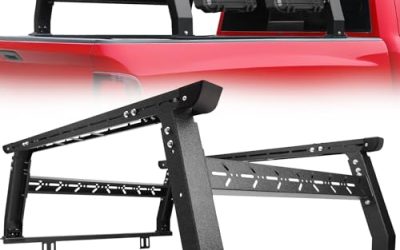
Height and layout decide what the rack can actually carry, so settle them before you fall for a particular frame. A full-height rack standing level with the cab lets ladders, kayaks, and lumber pass over the roof, and it suits most rooftop tents because the tent sits high enough to clear the cab and open fully. A low-profile frame keeps the load below the roofline, which helps with garage clearance, wind noise, and fuel use on long highway stretches, but it limits the height of cargo underneath and suits smaller tents. Adjustable towers split the difference, rising for a camping trip and dropping for daily driving, though every moving part adds a joint that needs checking after rough use. Beyond height, think about the layout of the frame itself. Flat, level crossbars spaced to match a tent’s mounting channels are essential for a rooftop tent, and side panels with mounting holes turn the rack into a gear wall for recovery boards, fuel cans, a spare tyre, lights, and an awning. Leave enough open space underneath for the bins, coolers, and tools that belong in the bed, because a rack that blocks access to the bed floor forces you to unload the top every time you need something from below.
Which One Fits Your Situation
You Sleep in a Rooftop Tent Most Weekends
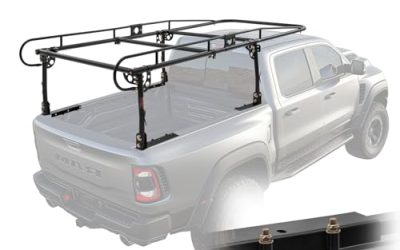
A full-height steel or aluminium overland frame with flat, level crossbars is the natural match here, because the tent needs a stable platform and the static capacity to hold sleepers overnight. Check that the crossbar spacing lines up with the tent’s mounting channels and that the frame leaves room for a ladder at the side or rear. A rack with side mounting points earns its keep on these trips, holding an awning on one side and recovery boards on the other, while the bed underneath stays free for a fridge, bedding, and cooking gear. Adjustable towers appeal if the same truck commutes during the week, since you can drop the tent out of the wind for the drive to work and raise it again on Friday evening.
You Carry Recovery Gear and Fuel on Remote Tracks
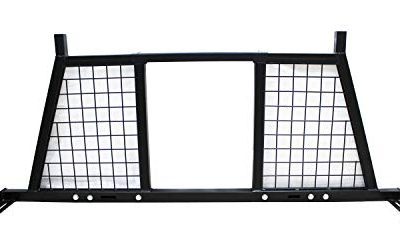
A plate-style steel frame with solid side panels suits a truck that heads far from help, because the panels give you dozens of mounting positions for recovery boards, a high-lift jack, fuel cans, and a spare tyre. Steel makes sense when the load is heavy and the track is unforgiving, and a powder-coated finish with gusseted corners stands up to branches and flying stones. Keep the heaviest items low and close to the cab, strap everything down with more tie-downs than you think you need, and stop after the first rough section to check that nothing has shifted. A frame that doubles as a gear wall also keeps the bed floor clear for a second spare, water containers, and tools.
You Haul Long Loads Over Rough Work Roads
A two-bar ladder-style rack or a tall adjustable tower system fits work that moves ladders, timber, pipe, or kayaks across unsealed roads. The load needs to ride level above the bed and clear the cab, with crossbars wide enough to support long items at two points rather than letting them bounce on a single bar. Steel uprights with triangular bracing handle the flexing that rough roads cause, and a simple bolted or clamped mount is easier to inspect and retighten at a job site than a complicated mechanism. Measure the longest load you carry and the width of your bed before ordering, and confirm that the rack’s uprights will not clash with a toolbox or bed liner.
You Want One Rack for Daily Driving and Occasional Trails
An adjustable aluminium tower system is the most flexible answer for a truck that commutes all week and camps on some weekends. Aluminium keeps the weight down for everyday driving, the towers drop low to cut wind noise and fit under parking structures, and they rise again when a tent or kayak goes on top. Look for towers that lift off their bases without tools, so the bed opens up completely when the rack is not needed, and check that the adjustment mechanism locks positively rather than relying on friction alone. This is also the setup where a tonneau cover adapter matters most, since a daily driver is the truck most likely to wear a cover, and the wrong pairing means choosing between the rack and the cover.
Common Mistakes
- Trusting the highway load figure off-road. A rack’s smooth-road capacity drops on corrugations and rocky tracks, so always work from the published off-road or dynamic figure, and reduce the load further on the roughest sections rather than running at the limit.
- Skipping the fitment check for your exact truck. Bed width, bed length, liners, rail caps, toolboxes, and in-bed storage all change what fits, and a rack built for one model year may not suit the next, so measure your bed and read the exclusion notes before ordering.
- Mounting a rooftop tent on crossbars that are not level or evenly spaced. A tent needs a flat platform with its mounting channels supported at the right spacing, and an uneven or narrow base twists the tent floor, stresses its hinges, and makes the whole setup noisy on the move.
- Leaving straps and bolts unchecked after the first rough stretch. Vibration loosens clamps, fasteners, and tie-downs that felt solid at the trailhead, so stop early on a rough track, retighten everything, and recheck straps after corrugations before they work free.
- Stacking heavy gear high and to the edges. A high, off-centre load raises the centre of gravity, sways on side slopes, and loads one side of the frame far harder than the other, so keep heavy items low, centred over the bed, and secured with more tie-downs than seems necessary.
Frequently Asked Questions
Can an off-road truck rack carry a rooftop tent?
Yes, provided the rack is built for it and both load figures check out. The tent’s weight plus the people sleeping in it must sit within the rack’s static capacity while parked, and the tent’s weight alone must sit within the dynamic or off-road capacity while driving. Flat, level crossbars spaced to match the tent’s mounting channels are essential, and the frame should be braced well enough to stay quiet on corrugations with the tent mounted. If a listing gives no static figure or no off-road figure, ask the maker before buying.
Do off-road racks need drilling into the truck?
Many do not, and the choice comes down to how permanent you want the installation to be. Clamp-on racks grip the bed rails without drilling and come off easily between trips, though their clamps need periodic retightening after rough use. Bolt-through racks fasten to factory points or through the bed and resist vibration better, but they require drilling and take longer to fit and remove. Check the installation method in the listing if keeping your bed rails untouched matters to you.
Is steel or aluminium better for corrugated roads?
Both can work, and the right answer depends on what you carry and how much weight your truck can spare. Steel carries heavier loads, resists knocks from stones and branches, and is simpler to repair in remote places, but it is heavy and needs its powder coating intact to resist rust. Aluminium weighs far less, resists corrosion, and is easier to remove, though it usually carries less and costs more. Either way, thick tubing, gusseted joints, and a solid coating matter more than the metal name alone.
How do I stop gear rattling loose on rough tracks?
Start with the rack itself: tighten every bolt and clamp to the maker’s instructions, then recheck them after the first rough section, since vibration loosens fasteners that felt solid at the start. Strap each item down at two points or more, keep heavy loads low and centred, and pad anything that can knock against the frame, because metal-on-metal contact both rattles and wears through coatings. Soft items such as bags and recovery boards should be compressed tight rather than left to bounce, and a quick stop to retighten straps after corrugations saves far more trouble than it costs.
More from Amazon
Programs that pair well with the guide above. Offers and eligibility are set by Amazon and may change.
Collect the home and kitchen items you want in one registry that guests can shop from.
Create a wedding registrySet up recurring deliveries of everyday items on eligible products. Terms and savings are set by Amazon.
Explore Subscribe & SaveFree shipping on eligible items, Prime Video and more. Eligible new members can start with a free trial.
Start a Prime free trialAudiobooks and podcasts to listen to on the go. Eligible new members can start with a free trial.
Try Audible freeAs an Amazon Associate we earn from qualifying purchases.