Key takeaways
- Opacity level: Semi-transparent finishes let grain and figure show through while still carrying pigment for UV defense — the sweet spot for teak, cedar, acacia, and eucalyptus. Solid stains hide damage but also hide the reason you bought wood furniture.
- Sealer included: A true 2-in-1 stain and sealer saves you a second product and a second cure window. On furniture with dozens of slats and spindles, that’s the difference between an afternoon project and a lost weekend.
- Water-based versus penetrating oil: Water-based formulas dry fast, clean up with tap water, and stay flexible through seasonal movement. Penetrating oils soak deeper into dense tropical hardwoods and renew beautifully with a maintenance coat rather than a strip-and-start-over.
- Odor and VOC content: If you’re finishing anything near a bedroom, sleeping porch, or nursery-adjacent balcony, choose a zero-VOC or low-odor formula and still cure it outdoors. Solvent fumes are a genuine sleep disruptor, not a minor annoyance.
- Coverage math: A dining set with six chairs needs far less product than a deck. Buying a gallon for a bistro table means most of it skins over in the can — pick a pint or quart and finish it in one session.
What's inside
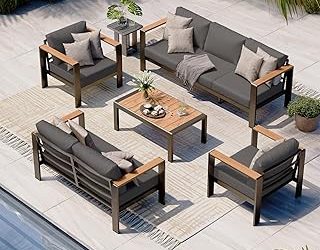
Patio furniture lives a hard life. It bakes under summer sun, swells in humidity, and sits soaking after a storm while indoor furniture stays pampered. Most people don’t notice the decline until a chair arm feels furry under the palm or a tabletop starts drinking water like a sponge. By then, the wood has already surrendered its natural oils, and the gray, splintering surface you’re looking at is the visible half of a problem that runs a few millimeters deep.
I spend most of my working life thinking about rest — how bedrooms, evening light, and air quality shape the quality of sleep people get. That’s exactly why outdoor finishing interests me. A shaded porch chair is one of the most underrated recovery spaces in a home, and the finish you brush onto it determines whether that chair is inviting in three years or firewood. Low-odor, low-VOC formulas matter here too, especially on screened porches, sleeping decks, and anything within breathing distance of a bedroom window. Below, I’ve broken down how to evaluate an outdoor stain and reviewed the products worth your Saturday.
As an Amazon Associate we earn from qualifying purchases.


🛒 Best Price Today on Amazon
Prime members get fast, free shipping on everything above, plus member-only deals. New members get a 30-day free trial — cancel anytime.
How to Choose a Stain For Wood Patio Furniture (2026)
- Opacity level: Semi-transparent finishes let grain and figure show through while still carrying pigment for UV defense — the sweet spot for teak, cedar, acacia, and eucalyptus. Solid stains hide damage but also hide the reason you bought wood furniture.
- Sealer included: A true 2-in-1 stain and sealer saves you a second product and a second cure window. On furniture with dozens of slats and spindles, that’s the difference between an afternoon project and a lost weekend.
- Water-based versus penetrating oil: Water-based formulas dry fast, clean up with tap water, and stay flexible through seasonal movement. Penetrating oils soak deeper into dense tropical hardwoods and renew beautifully with a maintenance coat rather than a strip-and-start-over.
- Odor and VOC content: If you’re finishing anything near a bedroom, sleeping porch, or nursery-adjacent balcony, choose a zero-VOC or low-odor formula and still cure it outdoors. Solvent fumes are a genuine sleep disruptor, not a minor annoyance.
- Coverage math: A dining set with six chairs needs far less product than a deck. Buying a gallon for a bistro table means most of it skins over in the can — pick a pint or quart and finish it in one session.
The Best Stain For Wood Patio Furniture (2026)s Reviewed
Cabot Australian Timber Oil, Jarrah Brown
This is the finish I’d reach for on teak, ipe, or any oily hardwood set that deserves to look expensive — the penetrating oil blend feeds the wood rather than sitting on top of it, and Jarrah Brown develops a warm reddish depth that photographs beautifully in evening light. The quart size is well matched to a table-and-chairs project, and annual maintenance is a simple wipe-on refresh.
#1 Deck Premium Semi-Transparent Stain and Sealer, Dark Walnut
A water-based workhorse that behaves predictably across mixed-age wood, which is exactly what you want when your furniture and your deck boards weren’t installed the same decade. Dark Walnut carries enough pigment to mask minor graying while keeping grain legible, and the gallon size makes sense if you’re doing furniture and railings in the same pass.
2-in-1 Stain and Sealer, Light Natural Oak
The zero-VOC formulation is the headline here, and it earns the attention: crack-resistant, UV-shielded, and genuinely non-offensive to work with on an enclosed patio. Light Natural Oak keeps pale woods bright instead of pushing them orange, which suits Scandinavian-leaning furniture and shaded seating areas that need to feel airy.
Wood Stain and Sealer in One, Peach Wood (16oz)
The pint format is the smartest small-project purchase on this list — enough to cover a pair of Adirondack chairs or a side table without committing to a gallon you’ll never reopen. Fast drying and low odor mean you can recoat the same day and have the piece back in service by evening.
Wood Stain and Sealer in One, Natural Cedar (100ml)
Think of this as a repair kit rather than a refinishing product. The 100ml size is ideal for touching up chair feet, sanded-through edges, and hardware scars mid-season, and Natural Cedar blends convincingly into the warm tones most outdoor furniture already carries.
Frequently Asked Questions
How often should patio furniture be re-stained?
Plan on every two to three years for pieces in partial shade, and annually for anything in full southern exposure or coastal salt air. The reliable test is water: if droplets soak in rather than beading, the sealer has stopped working regardless of how the color looks.
Do I need to strip the old finish first?
Only if the previous coat is peeling, blistering, or a film-forming varnish. Penetrating stains and water-based semi-transparents generally accept a fresh coat after a thorough clean, a light scuff-sand, and complete drying.
Is stain safe to use near a bedroom window or sleeping porch?
Choose a zero-VOC or low-odor water-based product, work in open air, and give the piece a full cure outdoors before moving it close to where anyone sleeps. Even mild solvent off-gassing can fragment sleep in the first night or two, and there’s no reason to accept that tradeoff when compliant formulas perform just as well.
What’s the ideal weather window for staining?
Aim for 55–85°F, moderate humidity, and no rain forecast for 24 hours. Avoid direct midday sun — hot wood flashes the stain off before it can penetrate, leaving lap marks you’ll see all summer.
Final Thoughts
For dense hardwood sets you intend to keep for a decade, Cabot Australian Timber Oil in Jarrah Brown remains the most rewarding choice, and it only gets better with annual maintenance. If you want fast-drying convenience with minimal fumes, the 2-in-1 Stain and Sealer in Light Natural Oak is the cleanest-working option here, while the 16oz Peach Wood stain and sealer is the right-sized answer for a couple of chairs and a single free afternoon.