Key takeaways
- Breathable Cover + Fiberglass-Free Safety
- Gel Memory Foam + Cozy Liquid Flex Foam
- Medium Comfort for Every Sleeper
Buying a mattress used to mean an afternoon of awkward showroom flopping under fluorescent lights. Now it means scrolling through hundreds of compressed foam rectangles that all promise cooling gel, spinal alignment, and the best sleep of your life. The frustration is real: from the outside, a $250 queen and a $900 queen can look nearly identical, and the spec sheets rarely tell you what actually matters — how the mattress will feel at 3 a.m. in month fourteen, when the comfort layer has settled and your shoulder is doing the work your bed should be doing.
This guide cuts through that. As a sleep-wellness practitioner, I evaluate boxed mattresses on four things sleepers actually notice: pressure distribution at the shoulder and hip, thermal behavior across a full night cycle, edge and motion performance for couples, and the honesty of the trial period. Below you’ll find the queen models worth your attention in 2026, plus a short framework for matching one to your body and sleep position rather than to a marketing adjective.
Our top picks
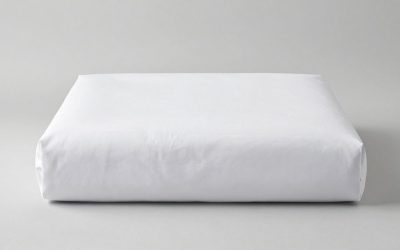
 EGOHOME Queen 10" Gel Cooling Memory Foam
- Breathable Cover + Fiberglass-Free Safety
- Gel Memory Foam + Cozy Liquid Flex Foam
- Medium Comfort for Every Sleeper


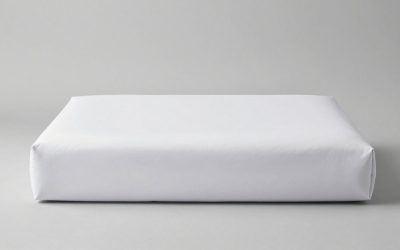
 Novilla Bliss Queen Size Mattress
- 【Pressure Relief & Spinal Alignment】This queen mattress features…
- 【Cooling Comfort for Restful Sleep】The soft knitted cover…
- 【Isolates Partner's Movements & Reinforced Edge Support】 The…

As an Amazon Associate we earn from qualifying purchases at no extra cost to you.
🛒 Best Price Today on Amazon
Prime members get fast, free shipping on everything above, plus member-only deals. New members get a 30-day free trial — cancel anytime.
How to Choose a Queen Mattress In A Box (2026)
- Match firmness to your dominant sleep position: Side sleepers need the shoulder and hip to sink without the waist losing support, which usually means medium to medium-plush. Back and stomach sleepers do better on medium-firm, where the pelvis stays level with the ribcage instead of dropping into the foam.
- Read profile height as a comfort budget: A 10-inch mattress splits its height between support core and comfort layer, so there’s little room for cushioning. Twelve to sixteen inches buys deeper contouring and transition layers — worth it if you weigh more than average or wake with hip pressure.
- Foam versus hybrid is a temperature and bounce decision: All-foam models isolate motion beautifully and suit light, cool sleepers. Pocketed-coil hybrids move air through the core, respond faster when you turn, and hold their edges better, which matters if you sit on the side of the bed to dress.
- Treat cooling claims as materials, not magic: Gel infusions, green tea additives, and cool-touch nylon covers modestly slow heat buildup; they don’t refrigerate. Airflow through coils or open-cell foam does more, and your sheets and mattress protector can undo either.
- Verify certification and trial length before feel: CertiPUR-US confirms the foam meets emissions and content standards, and fiberglass-free construction spares you a hazardous mess if the cover ever tears. A genuine 100-night-plus trial matters because bodies need two to four weeks to adapt to any new surface.
The Best Queen Mattresses In A Box (2026), Reviewed
Sleepmax 14-Inch Queen Hybrid
This is the most complete package here for the widest range of sleepers: pocketed coils supply responsive support and airflow, while the foam above them softens the shoulder-and-hip transition that side sleepers care about most. The 365-night trial is unusually generous and signals real confidence in long-term feel retention.
16-Inch Luxury Hybrid with 7-Zone Support
Zoned coil construction firms up under the lumbar region and softens at the shoulders, which is exactly what back sleepers with lower-back complaints tend to need. At 16 inches it’s the plushest-riding option in this group — just confirm your sheets have deep enough pockets before it arrives.
Novilla Bliss Cooling 14-Inch Gel Memory Foam
The cool-touch nylon cover gives an immediately cooler surface feel, and the deeper profile lets the foam contour without bottoming out. Best suited to couples who prize motion isolation, since an all-foam core absorbs a restless partner far better than coils do.
Novilla Bliss 12-Inch Gel Memory Foam
A medium-plush feel with a supportive base layer makes this a natural fit for lighter side sleepers who want cradling at the shoulder without sinking into a trench. It’s the sensible middle of the Novilla range: enough height for real contouring, without luxury-tier bulk.
Novilla 12-Inch Gel Memory Foam
The value pick for guest rooms and first apartments, delivering competent pressure relief and CertiPUR-US foam at an entry price. Expect classic slow-response memory foam feel — comforting if you sleep still, less ideal if you change position frequently.
Frequently Asked Questions
How long does a boxed mattress take to expand?
Most reach usable shape within a few hours and full loft in 24 to 72 hours. Unbox promptly, since prolonged compression can slow recovery, and give it a ventilated room for the first day.
Is that new-mattress smell dangerous?
The off-gassing odor comes from volatile organic compounds released as foam decompresses. CertiPUR-US certification caps emissions at low levels, and airing the room for 24 to 48 hours typically resolves it entirely.
Do I need a box spring?
No. These mattresses are designed for a solid platform or a slatted frame with gaps of roughly three inches or less. Wider slats create unsupported spans that lead to premature sagging and can void warranty coverage.
How do I know if the firmness is wrong for me?
Give it three to four weeks, then check where you feel it. Morning lower-back stiffness usually signals too soft; shoulder or hip soreness usually signals too firm. Persistent numbness or a hammock-like sensation means return it within the trial.
Final Thoughts
For most queen buyers in 2026, the Sleepmax 14-inch hybrid is the smartest all-around choice, pairing coil-driven airflow and edge support with a year-long trial. Side sleepers and hot sleepers who want deeper cushioning should look at the Novilla Bliss Cooling 14-inch, while anyone with lower-back complaints will get the most targeted support from the 16-inch zoned hybrid.