Key takeaways
- Articulation range: Independent head and foot lift is the baseline. Confirm the head reaches at least 55–60 degrees if you plan to read or manage reflux, and that the foot section produces a genuine knee break rather than a shallow tilt — that bend is what unloads the lumbar spine.
- Motor behavior: Listen for decibel claims and look for a single-motor-per-section design with a soft-start ramp. A base that lurches will wake a light-sleeping partner every time you reposition at 3 a.m., which defeats the purpose entirely.
- Mattress compatibility: Foam, latex, and hybrid mattresses flex well; traditional innerspring units often don’t. Aim for 10–14 inches of mattress height, and check that retention bars or a lipped edge will keep the mattress from creeping downward over months of use.
- Capacity and leg configuration: Total distributed load should comfortably exceed the combined weight of two sleepers plus the mattress. Height-adjustable legs matter more than buyers expect — they determine whether you keep under-bed storage and whether the mattress surface lands at a comfortable transfer height.
- Extras worth paying for: Zero-gravity presets, USB charging, and a soft under-bed nightlight earn their keep in daily use. Full-body massage motors are pleasant but rarely therapeutic; treat them as a bonus, not a deciding factor.
Most people don’t shop for an adjustable base until something forces the issue — a reflux flare-up that makes lying flat unbearable, a partner whose snoring has turned the bedroom into a negotiation, or a lower back that protests every morning at 6 a.m. And that’s usually when the confusion starts. Adjustable bases are sold by mattress showrooms, big-box retailers, direct-to-consumer sleep brands, and online marketplaces, all quoting wildly different numbers for hardware that, on paper, looks nearly identical. A base with head-and-foot articulation, a wireless remote, and USB charging can run $600 in one channel and $2,400 in another.
As a sleep-wellness consultant, my view is simple: the mechanism matters far more than the storefront. What you actually need to evaluate is motor quality, weight capacity, articulation range, and whether the base fits your existing mattress and bedroom footprint. This guide breaks down where the value sits in 2026, which specifications genuinely affect sleep quality versus which are marketing garnish, and how a handful of the most widely purchased bases compare once you look past the feature lists. Below you’ll find current picks, a buyer’s checklist, short expert notes on each model, and answers to the questions I field most often from clients.
Our top picks

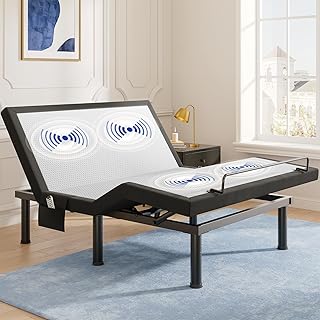


As an Amazon Associate we earn from qualifying purchases at no extra cost to you. Ratings are shown as listed on Amazon.
🛒 Best Price Today on Amazon
Prime members get fast, free shipping on everything above, plus member-only deals. New members get a 30-day free trial — cancel anytime.
How to Choose an Adjustable Bed in 2026
- Articulation range: Independent head and foot lift is the baseline. Confirm the head reaches at least 55–60 degrees if you plan to read or manage reflux, and that the foot section produces a genuine knee break rather than a shallow tilt — that bend is what unloads the lumbar spine.
- Motor behavior: Listen for decibel claims and look for a single-motor-per-section design with a soft-start ramp. A base that lurches will wake a light-sleeping partner every time you reposition at 3 a.m., which defeats the purpose entirely.
- Mattress compatibility: Foam, latex, and hybrid mattresses flex well; traditional innerspring units often don’t. Aim for 10–14 inches of mattress height, and check that retention bars or a lipped edge will keep the mattress from creeping downward over months of use.
- Capacity and leg configuration: Total distributed load should comfortably exceed the combined weight of two sleepers plus the mattress. Height-adjustable legs matter more than buyers expect — they determine whether you keep under-bed storage and whether the mattress surface lands at a comfortable transfer height.
- Extras worth paying for: Zero-gravity presets, USB charging, and a soft under-bed nightlight earn their keep in daily use. Full-body massage motors are pleasant but rarely therapeutic; treat them as a bonus, not a deciding factor.
The Best Adjustable Beds Reviewed
Sven & Son Classic Adjustable Base with Hybrid Mattress
This is the most complete package here, pairing a well-built head-and-foot lift base with a 14-inch medium-soft hybrid mattress, so there’s no compatibility guesswork. The zero-gravity preset, massage function, under-bed lighting, and USB ports make it the strongest choice for anyone starting from scratch rather than retrofitting an existing mattress.
Tami Tami T600 Queen Adjustable Base
The T600 is the sweet spot for couples: a genuinely quiet motor, dual-side USB, side pockets within easy reach, and assembly that takes minutes rather than an afternoon. Zero-gravity positioning is smooth and repeatable, which is what you want from a preset you’ll use nightly.
Tami Tami T450 Full Adjustable Base
A leaner, quieter take on the same engineering — no massage, but the ergonomic head and foot incline is the part that actually improves sleep posture. The three-position adjustable legs make it unusually easy to match an existing bedroom setup or preserve under-bed storage.
Best Choice Products Ergonomic Full Adjustable Base
A sensible entry point for guest rooms, recovery setups, or a first trial of adjustable sleeping. You get wireless remote control, massage, nightlight, and two USB ports at a price that makes experimenting low-risk.
Heavy Duty King Adjustable Bed Frame
Built for load and longevity, with a reinforced lift motor and independent head and foot tilt so each sleeper can settle into their own position without disturbing the other. The upholstered surround and under-bed lighting give it a finished look that doesn’t read as medical equipment.
Frequently Asked Questions
Where is the best place to buy an adjustable bed in 2026?
Online marketplaces consistently offer the widest selection and the sharpest pricing, largely because they skip showroom overhead. The tradeoff is that you’re relying on specifications and reviews rather than a five-minute test lie-down, so verify weight capacity, dimensions, and return terms before ordering.
Will my current mattress work on an adjustable base?
Memory foam, latex, and most hybrids flex reliably. Older innerspring mattresses with rigid perimeter coils generally don’t, and forcing them can damage both mattress and base. Ten to fourteen inches of height is the practical range.
Does an adjustable base actually help snoring or reflux?
Elevating the head roughly six to eight inches reduces airway collapse and keeps stomach acid where it belongs, and both effects are well documented. It isn’t a substitute for evaluation of suspected sleep apnea, but for mild positional snoring and nighttime reflux the improvement is often noticeable within a week.
How long should an adjustable base last?
Expect eight to ten years from a quality base. Motors and control boards are the usual failure points, so weigh warranty coverage on those components more heavily than coverage on the frame itself.
Final Thoughts
If you want a single decision rather than a project, the Sven & Son Classic bundles a capable base with a matched hybrid mattress and removes every compatibility variable. Couples sharing a queen will get the most nightly value from the Tami Tami T600, thanks to its quiet motor and dual-side conveniences, while the Heavy Duty King is the pick for larger sleepers or anyone who wants independent tilt with furniture-grade presentation. Any of the three will change how your mornings feel — start with the size and mattress you already own, and let the specs, not the storefront, make the call.