Key takeaways
- Verified temperature range: Unopened insulin is generally stored between 36°F and 46°F (2–8°C). Prioritise units that state a range this narrow rather than a broad “cooling” claim, and confirm the specifics with your pharmacist or the leaflet in your box.
- Freeze protection: Insulin that has frozen is finished, even if it thaws looking normal. Look for thermostatic control, a low-temperature alarm, and steer clear of anything that plunges below freezing when left unattended.
- Noise behaviour at night: Thermoelectric units cycle a small fan. A steady, low broadband hum is usually tolerable and can even mask street noise; intermittent clicking or a whining fan is what wakes light sleepers. Test yours in the room for a few nights before committing it to the bedside.
- Power independence: Rechargeable battery packs and USB or 12V input decide whether the unit is a bedside appliance or a genuine travel companion. Two swappable batteries mean an overnight coach journey or a summer power cut doesn’t become a crisis.
- Display and light discipline: A bright LCD facing your pillow suppresses melatonin and undercuts everything else you’ve done for your sleep. Favour dimmable or side-facing screens, or plan to turn the unit so the readout points away from the bed.
What's inside
Anyone who lives with insulin knows the small, nagging arithmetic of nighttime: is the pen still cold enough, did the kitchen fridge drop below freezing again, will the vial survive an early flight tomorrow? As someone who spends most of my working life studying what disturbs sleep, I’ve come to see medication storage as a genuine sleep variable. A bedroom that hums, glows, or leaves you second-guessing your supplies at 2 a.m. is a bedroom that quietly taxes your rest. Getting insulin storage right isn’t only a clinical concern — it’s part of building a room your nervous system can actually stand down in.
This guide looks at compact refrigeration built for insulin and similar temperature-sensitive medications, judged on the things that matter once the lights go out: how tightly a unit holds its range, how loudly it works to get there, whether it runs without mains power during an outage, and how legible its display is in the dark without turning your nightstand into a beacon. Below you’ll find the models worth considering in 2026, a short buying framework, and answers to the questions readers send me most.
As an Amazon Associate we earn from qualifying purchases.


How to Choose a/an Mini Fridge For Insulin (2026)
- Verified temperature range: Unopened insulin is generally stored between 36°F and 46°F (2–8°C). Prioritise units that state a range this narrow rather than a broad “cooling” claim, and confirm the specifics with your pharmacist or the leaflet in your box.
- Freeze protection: Insulin that has frozen is finished, even if it thaws looking normal. Look for thermostatic control, a low-temperature alarm, and steer clear of anything that plunges below freezing when left unattended.
- Noise behaviour at night: Thermoelectric units cycle a small fan. A steady, low broadband hum is usually tolerable and can even mask street noise; intermittent clicking or a whining fan is what wakes light sleepers. Test yours in the room for a few nights before committing it to the bedside.
- Power independence: Rechargeable battery packs and USB or 12V input decide whether the unit is a bedside appliance or a genuine travel companion. Two swappable batteries mean an overnight coach journey or a summer power cut doesn’t become a crisis.
- Display and light discipline: A bright LCD facing your pillow suppresses melatonin and undercuts everything else you’ve done for your sleep. Favour dimmable or side-facing screens, or plan to turn the unit so the readout points away from the bed.
The Best Mini Fridge For Insulin (2026)s Reviewed
ZSWCBRT Mini Medical Fridge
A purpose-built medical cooler with a Fahrenheit readout and a stated 32°F–47°F window, which maps closely onto standard insulin guidance without the mental conversion at midnight. The travel-case form factor makes it a sensible single purchase for people who need the same unit on the nightstand and in a carry-on.
PeptiCool Peptide Cooler
The most considered design here: touchscreen control, rechargeable operation, and interior space that accommodates pens and vials without wedging them against the cooling plate. It’s marketed as TSA-friendly, and in practice its main bedside virtue is that you can set it once and stop thinking about it.
Upgraded Insulin Cooler Case (2–8°C)
This one earns its place on the alarm alone — an audible alert if the interior drifts out of the 2–8°C band is exactly the reassurance that lets you sleep instead of checking. USB charging and a carry handle keep it practical, though Celsius-only display will suit some readers better than others.
Electric Insulin Cooler Travel Case (32°F–64°F)
A dual-battery portable with a Fahrenheit LCD, best understood as a transport and daytime unit rather than long-term cold storage, since its upper range extends well above refrigeration. Excellent for commutes, hospital days, and holidays; pair it with a dedicated fridge at home.
Cooluli Mini Fridge 4L
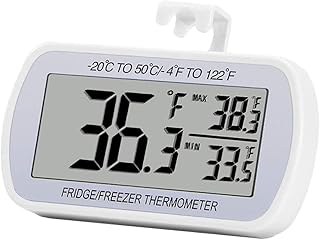
The generalist of the group: 4 litres, AC, DC and USB power, and a warming mode, which makes it a genuinely useful bedroom appliance beyond medication. Because it isn’t a certified medical cooler, monitor it with a separate thermometer before trusting it with insulin.
Frequently Asked Questions
Can I keep insulin in a mini fridge overnight instead of the kitchen fridge?
Yes, provided the unit holds a stable 36°F–46°F and is verified with an independent thermometer. Bedside storage also removes the midnight trip to a bright kitchen, which is better for your sleep architecture than most people realise.
Are these fridges quiet enough to sleep beside?
Most thermoelectric coolers sit in the 25–40 dB range — comparable to a soft fan. If you’re noise-sensitive, place the unit on a dense mat rather than a hollow nightstand and keep at least a foot of clearance for airflow.
What happens if the power goes out?
A closed, cool unit retains temperature for a while, but battery-capable models are the real answer. Keep a spare battery charged and know your insulin’s room-temperature tolerance as a fallback.
Do in-use insulin pens need refrigeration?
Often not — many pens are kept at room temperature for a set number of days once opened, while spares stay chilled. Follow the specific instructions for your product and confirm with your prescriber or pharmacist.
Final Thoughts
For most readers wanting a quiet, dependable bedside unit, the ZSWCBRT Mini Medical Fridge and the PeptiCool Peptide Cooler are the two I’d shortlist first, with the Upgraded Insulin Cooler Case a strong choice if an out-of-range alarm is what finally lets you sleep through the night. Whichever you pick, verify it with your own thermometer for a week and treat your clinician’s storage advice as the final word.