Key takeaways
- Pile height vs. cushioning: Low pile is easier to clean and won’t trip you in a dim kitchen, but it offers little give. If you stand for 30+ minutes at a stretch, either choose a slightly denser weave or layer a thin cushioned pad underneath rather than buying a plush rug you’ll struggle to wash.
- Machine washability, verified: “Washable” should mean the whole rug fits in a standard home machine — not spot-clean-only. Check the weight and whether the backing is rated for a tumble. A rug that must go to a cleaner will simply stay dirty.
- Backing that actually grips: Rubber-backed runners hold well on tile and sealed wood. Latex-free, low-profile non-slip layers suit vinyl and laminate, where some rubbers can discolor the floor over time. Test a corner in a low-visibility spot first.
- Sound and warmth: Denser, wider runners dampen footfall noticeably — worth considering if your kitchen sits below or beside a bedroom. This is the single most underrated feature for households with light sleepers or shift workers.
- Length before pattern: Measure your working corridor — sink to stove, or fridge to island — and buy to that span. A runner that stops short of the sink leaves you standing on bare floor exactly where you stand longest. Runners in 2026 commonly reach 6, 8, and 10 feet; pick the honest measurement, then choose the pattern.
What's inside
Most people shop for a kitchen runner thinking about color. As someone who spends their working hours on sleep quality and evening habits, I’d argue you should think about your feet and your ears first. The kitchen is where the last hour of the day happens — dishes, lunch prep for tomorrow, the 11 p.m. glass of water — and a hard tile floor makes that hour feel longer than it is. Standing on unyielding surfaces keeps the calves and lower back braced, which is exactly the muscular tension you’re trying to shed before bed. Add the slap of bare feet on stone at 6 a.m. in a house where someone else is still asleep, and a plain strip of textile starts looking less decorative and more functional.
This guide looks at kitchen runners through that lens: cushioning underfoot for long prep sessions, sound absorption for early mornings and late nights, and — critically — washability, because a rug you’re afraid to clean becomes a rug you resent. I’ve grouped six well-reviewed 2026 options below, then broken down the buying criteria I’d apply myself, followed by short reviews and answers to the questions that come up most often.
As an Amazon Associate we earn from qualifying purchases.


🛒 Best Price Today on Amazon
Prime members get fast, free shipping on everything above, plus member-only deals. New members get a 30-day free trial — cancel anytime.
How to Choose a Kitchen Rug Runner (2026)
- Pile height vs. cushioning: Low pile is easier to clean and won’t trip you in a dim kitchen, but it offers little give. If you stand for 30+ minutes at a stretch, either choose a slightly denser weave or layer a thin cushioned pad underneath rather than buying a plush rug you’ll struggle to wash.
- Machine washability, verified: “Washable” should mean the whole rug fits in a standard home machine — not spot-clean-only. Check the weight and whether the backing is rated for a tumble. A rug that must go to a cleaner will simply stay dirty.
- Backing that actually grips: Rubber-backed runners hold well on tile and sealed wood. Latex-free, low-profile non-slip layers suit vinyl and laminate, where some rubbers can discolor the floor over time. Test a corner in a low-visibility spot first.
- Sound and warmth: Denser, wider runners dampen footfall noticeably — worth considering if your kitchen sits below or beside a bedroom. This is the single most underrated feature for households with light sleepers or shift workers.
- Length before pattern: Measure your working corridor — sink to stove, or fridge to island — and buy to that span. A runner that stops short of the sink leaves you standing on bare floor exactly where you stand longest. Runners in 2026 commonly reach 6, 8, and 10 feet; pick the honest measurement, then choose the pattern.
The Best Kitchen Rug Runners (2026) Reviewed
2×6 Hallway Washable Vintage Runner
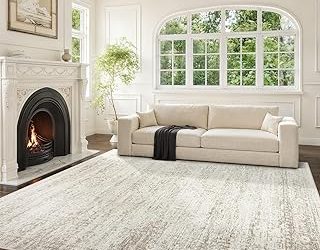
A sensible starting point: a distressed vintage print in the most common galley length, with non-slip backing and genuine machine washability. The soft, forgiving surface makes it a good pick if your evening routine involves standing at the sink longer than you’d like.
PADOOR Extra Large Kitchen Runner and Mat Set (2 Pieces)
The two-piece approach solves a real problem — the 2.5′ x 6′ runner covers your main working lane while the 20″ x 32″ mat sits where water collects at the sink. Both are absorbent and washable, which matters more in a kitchen than in any other room of the house.
Unique Loom Del Mar Maria (2′ x 8′, Navy/Ivory)
At eight feet, this covers a longer stretch than most kitchen runners, and the navy-and-ivory palette reads calm rather than busy — a small but real advantage in a space you pass through at night. The low pile keeps it stable and easy to vacuum.
Lahome Oriental Eleanor Runner (2×8, Peach/Orange)
Rubber backing and a soft, low-profile weave make this one of the more secure long runners in the category. The warm peach tone is unusual and works well in kitchens that skew beige or terracotta.
GENIMO Washable Floral Runner (2’6″ x 6′, Blue/Gold)
Slightly wider than a standard runner at 2’6″, which means both feet land on textile instead of straddling the edge — a detail you’ll appreciate during long prep. Lightweight and stain resistant, so it goes in and out of the wash without a fight.
Frequently Asked Questions
How often should I wash a kitchen runner?
Every three to four weeks with normal cooking, more often if you have pets or fry frequently. Airborne cooking oils settle into fibers and hold odor, which is a subtler issue than visible stains but more noticeable in a small kitchen at night.
Will a runner really help with standing fatigue?
A low-pile rug helps modestly on its own; the bigger gains come from adding a thin cushioned pad beneath it. The combination reduces the constant micro-bracing that leaves your calves and lower back tight by evening.
Are rubber backings safe for hardwood?
On sealed hardwood, generally yes, but lift and air the rug periodically and avoid trapping moisture underneath. On vinyl or luxury vinyl plank, check the manufacturer’s guidance — some rubber compounds can yellow those surfaces.
What length should I buy?
Measure the exact stretch you stand and walk on most, then round up rather than down. A six-foot runner suits a compact galley; eight- and ten-foot options are better for open-plan kitchens with a long island.
Final Thoughts
If you want one purchase that handles both cushioning and cleanup, the PADOOR two-piece set is the most practical answer, since it puts absorbency exactly where water lands. For longer kitchens, the Unique Loom Del Mar Maria in navy and ivory delivers eight feet of quiet, low-maintenance coverage, while the GENIMO runner’s extra width makes it the most comfortable option for anyone who spends real time on their feet after dark.