Key takeaways
- 1
- 2
- 3
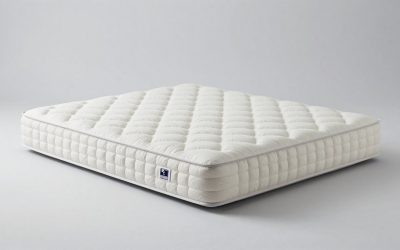
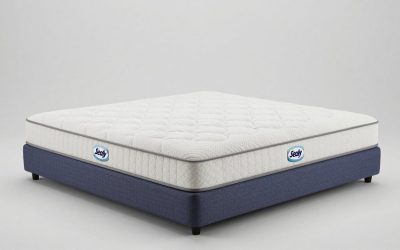
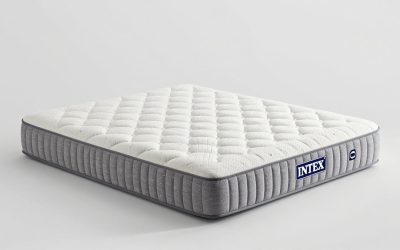
A hybrid mattress is a heavier, more complex piece of engineering than the all-foam slabs that dominated the last decade — coil units, quilted pillow tops and gel-infused comfort layers can push a queen past 90 pounds before anyone climbs in. Drop that onto a sagging box spring or a bed frame with slats spaced a hand’s width apart and the coil unit begins to flex unevenly. Sleepers usually blame the mattress: a dip along one edge, a lumbar zone that stopped feeling supportive around month eight, a warranty claim quietly denied because “improper support” voided the coverage. In nearly every case I’ve assessed, the base was the culprit.
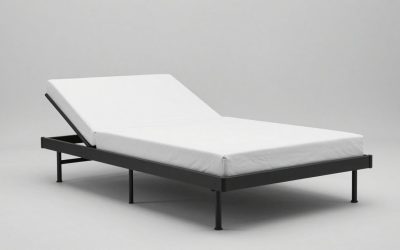
This guide approaches the problem from a sleep-quality standpoint rather than a hardware one. Below you’ll find bases built specifically to handle hybrid weight distribution — a low-profile bunkie board for platform conversions, a proper tool-less foundation for traditional frames — alongside several well-engineered hybrid mattresses worth pairing them with, in case you’re building the whole sleep system from scratch this year.
Our top picks


As an Amazon Associate we earn from qualifying purchases at no extra cost to you.
🛒 Best Price Today on Amazon
Prime members get fast, free shipping on everything above, plus member-only deals. New members get a 30-day free trial — cancel anytime.
How to Choose a/an Foundation For Hybrid Mattress (2026)
- Slat gap under 3 inches: This is the single specification that matters most. Wider gaps let individually pocketed coils settle into the voids, which creates a washboard effect you’ll feel through the comfort layer within a year.
- Load rating over dead weight: Add the mattress weight to the combined weight of everyone who sleeps on it, then look for a base rated comfortably above that figure. Center support legs matter more than frame thickness on queen and king sizes.
- Airflow from beneath: Hybrids breathe downward as well as upward. A solid plywood platform traps humidity against the coil unit; slatted or mesh-backed bases let moisture escape and keep cooling gel layers working as designed.
- Profile height and total bed height: A 14-inch hybrid on a 9-inch box spring puts the sleep surface near 30 inches — awkward for shorter sleepers and anyone with hip or knee limitations. Bunkie boards solve this in under half an inch.
- Grip and silence: Non-skid surfaces stop nightly mattress creep, and welded or fabric-wrapped construction prevents the wood-on-wood squeak that fragments light sleep without ever fully waking you.
The Best Foundation For Hybrid Mattress (2026)s Reviewed
Heavy Duty Bunkie Board (King, 76×80)
At a 0.4-inch profile this is the cleanest fix for anyone whose platform bed has slats spaced too far apart — it converts a marginal frame into a proper hybrid base without adding meaningful height. The silicone grip strip and moisture-resistant backing address the two failure points I see most often in low-profile boards: mattress slide and trapped condensation.
Tuft & Needle Mattress Foundation (Queen)
A genuinely well-executed replacement for a traditional box spring, with kiln-dried wood construction and assembly that takes about ten minutes without tools. The non-skid top surface and closely spaced internal supports make it the safer choice for heavier pillow-top hybrids on a standard metal bed frame.
Sleepmax 14-Inch Hybrid (Queen)
A cooling-forward hybrid that suits back and side sleepers who run warm at night, with pressure relief concentrated at the shoulder and hip. It’s fiberglass-free and CertiPUR-US certified, and the 365-night trial gives you a full seasonal cycle to judge it — just pair it with a firm, closely slatted base to protect that trial period.
BedStory Firm 13-Inch Hybrid (Queen)
The zoned lumbar reinforcement is the standout here, and it’s the one I’d point toward for sleepers waking with lower-back stiffness rather than shoulder discomfort. Firm hybrids like this are the least forgiving of a weak foundation, so the box spring underneath is not optional.
ailis 14-Inch Hybrid (Queen)
Upgraded pocket springs give this one unusually good motion isolation for its price bracket, which matters if you share a bed with a restless partner or a dog. Edge support holds up well when sitting to dress — a common weak point that a rigid base further reinforces.
Frequently Asked Questions
Can I use a traditional box spring with a hybrid mattress?
Generally no. Older coil-style box springs compress unevenly under hybrid weight and will void most warranties. Modern wood foundations look similar but behave completely differently — they’re rigid platforms, not spring units.
Is a bunkie board enough on its own?
Only on top of an existing frame or platform. A bunkie board redistributes load and closes slat gaps; it does not lift the mattress off the floor or replace structural support.
Do I need center support on a queen?
Yes. Any queen or king hybrid should have a center leg or center rail reaching the floor. Without it, the frame flexes at the midpoint and the mattress develops a shallow trough right where two sleepers meet.
Will the wrong base really void my warranty?
It’s the most common denial reason in mattress claims. Photograph your setup at delivery, keep the base receipt, and confirm the slat-gap requirement in your specific warranty documentation.
Final Thoughts
For most readers the Tuft & Needle foundation is the safest all-round investment, while the heavy-duty bunkie board is the smarter, lower-profile fix if you already own a decent platform bed with imperfect slat spacing. Building a full sleep system this year? Pair either base with the Sleepmax 14-inch hybrid for cooling and balanced pressure relief, or the BedStory firm 13-inch if lumbar support is your priority.