Key takeaways
- Torque over raw speed: Cutting ice is a low-RPM, high-resistance job. A drill that spins fast but stalls under load will frustrate you; look for strong stated torque figures and a brushless motor if the budget allows.
- Battery platform you already own: The cheapest upgrade is the one that fits your existing batteries. Several units on this list run on common 18V/20V packs, which means no new chargers cluttering the truck.
- Cold-weather battery behavior: Lithium cells lose capacity below freezing. Plan on carrying a spare inside your jacket, and treat manufacturer hole-count claims as best-case, not typical.
- Reverse function and clutch feel: Forward/reverse is not a gimmick on ice. Reverse frees a bit pinched by slush, and a smooth speed selector lets you ease into the final breakthrough instead of getting yanked sideways.
- Weight and handle geometry: You are operating this in bulky gloves, often kneeling. A balanced body under about 30 lb and a genuinely ergonomic side handle will do more for your comfort than an extra inch of bit diameter.
What's inside
Ice fishing runs on an unforgiving clock. You are up before the alarm you set out of habit, thermos filled in the dark, hoping to be over the honey hole before the sun changes the mood of the fish. That pre-dawn start is exactly why gear choice matters more than most anglers admit: every extra minute spent wrestling a stubborn auger is a minute stolen from the short window your body actually has energy for. As someone who spends most of the year talking to people about sleep debt and recovery, I have watched plenty of weekend trips get ruined not by the cold, but by exhaustion — the kind that comes from muscling a gas engine that will not start at 5:40 a.m.
Cordless auger setups solve a real problem. They are quiet enough that you are not blasting your nervous system awake with two-stroke noise, light enough to carry without shredding your shoulders, and simple enough to operate with numb fingers. This guide covers what to look for in a cordless drill or drill-style auger built for ice, then walks through five options worth considering in 2026 — including dedicated ice units, adapter-based combos, and one heavy-torque earth auger that doubles as a workhorse.
As an Amazon Associate we earn from qualifying purchases.


How to Choose a Cordless Drill For Ice Augers (2026)
- Torque over raw speed: Cutting ice is a low-RPM, high-resistance job. A drill that spins fast but stalls under load will frustrate you; look for strong stated torque figures and a brushless motor if the budget allows.
- Battery platform you already own: The cheapest upgrade is the one that fits your existing batteries. Several units on this list run on common 18V/20V packs, which means no new chargers cluttering the truck.
- Cold-weather battery behavior: Lithium cells lose capacity below freezing. Plan on carrying a spare inside your jacket, and treat manufacturer hole-count claims as best-case, not typical.
- Reverse function and clutch feel: Forward/reverse is not a gimmick on ice. Reverse frees a bit pinched by slush, and a smooth speed selector lets you ease into the final breakthrough instead of getting yanked sideways.
- Weight and handle geometry: You are operating this in bulky gloves, often kneeling. A balanced body under about 30 lb and a genuinely ergonomic side handle will do more for your comfort than an extra inch of bit diameter.
The Best Cordless Drill For Ice Augers (2026)s Reviewed
WORX 40V 8″ Cordless Earth Auger (WG865)
With 59 ft-lbs of torque, 220 rpm, and a brushless motor delivering roughly 45cc gas-equivalent power, this is the brute of the group — genuinely capable when conditions get thick. At 26.9 lb it is heavier than a drill-and-bit setup, and the 8″ bit is designed as an earth auger, so treat it as a dual-purpose tool for property work and shoulder-season projects rather than a purpose-built ice unit.
Hardware Lite E-Drill Combo, 6″ Nylon Ice Auger
The most complete package here: a 6″ nylon auger, universal drill adapter, ice scoop and chipper, rod rack, and a spare blade set. Nylon flighting keeps the weight down noticeably, which is a real advantage on long walks out, and having replacement blades in the box means one dull edge does not end your season.
Zunate Electric Ice Auger Cordless Drill
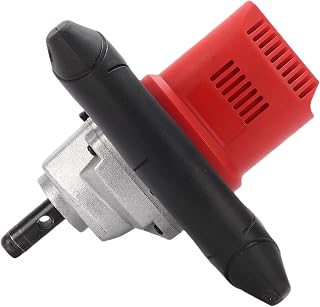
Six adjustable speeds and a one-touch reversible handle make this a flexible pick, and it doubles convincingly as a concrete or mortar mixer in the off-season. Battery compatibility is broad but worth confirming against your specific pack before ordering.
LiebeWH Cordless Electric Ice Drill Auger
Very similar in concept to the Zunate, with six speeds, single-button forward/reverse, and an ergonomic handle sized for gloved hands. It ships with a compatible battery, which makes it the easier choice if you are starting from nothing rather than adding to an existing tool ecosystem.
Cordless Ice Auger, 6 Speed with Forward/Reverse (18V)
A straightforward, budget-conscious 18V option covering the fundamentals: variable speed, reverse, and cement-mixing duty. Expect solid performance in moderate ice thickness rather than the reserve power of the WORX.
Frequently Asked Questions
Can a standard cordless drill really cut through ice?
Yes, with the right adapter and bit. A high-torque 18V or 20V drill paired with a 6″ auger handles typical winter ice well; underpowered compact drills will overheat and stall.
How many holes should I expect per battery?
It depends heavily on ice thickness and temperature. Assume fewer holes than the marketing suggests, and carry a warm backup battery — this is the single most common cordless disappointment.
Is 6″ or 8″ the better bit size?
Six inches is plenty for panfish, walleye, and most trout, and it drills faster with less battery draw. Step up to 8″ only if you regularly target larger fish.
Does the quieter operation actually matter?
More than you would think. Reducing noise and vibration exposure on an early morning start leaves you less depleted by afternoon, which is the difference between fishing well and packing up early.
Final Thoughts
If you want maximum power and a tool that earns its keep year-round, the WORX WG865 is the strongest performer here. For dedicated ice use, the Hardware Lite E-Drill Combo offers the best value thanks to its nylon auger and included accessories, while the LiebeWH cordless auger is the most sensible all-in-one starting point for anyone without a battery platform yet.