Key takeaways
- Hang geometry: Aim for suspension lines near a 30-degree angle and a deep, banana-shaped curve. A drum-tight hammock squeezes your shoulders inward and pushes your hips down; a generous sag lets your spine hold its natural neutral shape, which is what allows muscles to release.
- Fabric and thermoregulation: Core body temperature has to drop slightly for sleep to begin. Woven cotton and open rope breathe beautifully in warm weather, while parachute nylon dries fast but reflects less heat away — plan on a light underquilt or blanket beneath you if you’re napping outdoors below about 65°F.
- Capacity versus comfort: Treat the stated weight rating as a safety margin, not a comfort target. A 450–660 lb rating means a single adult or a relaxed pair can settle in without the fabric drum-tightening under load, which is where most shoulder pinch originates.
- Stand stability: If you don’t have two sound trees roughly 12–15 feet apart, choose a heavy-gauge steel stand with a wide footprint. Wobble and metallic creak are micro-arousals in disguise; a rigid frame is the difference between dozing and drifting fully off.
- Setup friction: The hammock you actually use is the one you can deploy in two minutes. Look for tree-friendly webbing straps, quality carabiners, and an included carry bag — small conveniences that turn a weekend novelty into a daily rest habit.
What's inside
Most people shopping for a hammock are chasing a feeling rather than a piece of furniture — that heavy-limbed, mid-afternoon drift where the body finally stops bracing itself. The trouble is that the market rewards photogenic fabric over sleep mechanics, and a hammock that looks idyllic in a listing photo can leave you with a hyperextended lower back, cold shoulders, and a stubborn crick in your neck. Poor suspension geometry, undersized spreader bars, and stands that flex under load all interrupt sleep in the same way a sagging mattress does: by forcing your nervous system to keep monitoring your position instead of switching off.
As a sleep-wellness specialist, I evaluate hammocks the way I’d evaluate a bed — spinal alignment, thermal behavior, pressure distribution, and how quickly a body settles into stillness. Below you’ll find the models worth your money in 2026, spanning freestanding cotton beds for patios and balconies, classic rope designs, and packable nylon options for trail naps. After the picks, I’ve included a practical buying framework and answers to the questions that come up most often in consultations.
As an Amazon Associate we earn from qualifying purchases.




How to Choose a Hammock in 2026
- Hang geometry: Aim for suspension lines near a 30-degree angle and a deep, banana-shaped curve. A drum-tight hammock squeezes your shoulders inward and pushes your hips down; a generous sag lets your spine hold its natural neutral shape, which is what allows muscles to release.
- Fabric and thermoregulation: Core body temperature has to drop slightly for sleep to begin. Woven cotton and open rope breathe beautifully in warm weather, while parachute nylon dries fast but reflects less heat away — plan on a light underquilt or blanket beneath you if you’re napping outdoors below about 65°F.
- Capacity versus comfort: Treat the stated weight rating as a safety margin, not a comfort target. A 450–660 lb rating means a single adult or a relaxed pair can settle in without the fabric drum-tightening under load, which is where most shoulder pinch originates.
- Stand stability: If you don’t have two sound trees roughly 12–15 feet apart, choose a heavy-gauge steel stand with a wide footprint. Wobble and metallic creak are micro-arousals in disguise; a rigid frame is the difference between dozing and drifting fully off.
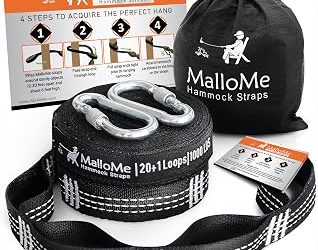
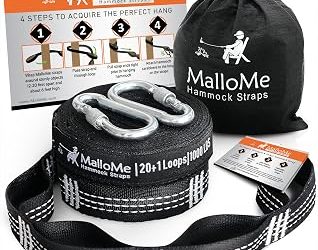
- Setup friction: The hammock you actually use is the one you can deploy in two minutes. Look for tree-friendly webbing straps, quality carabiners, and an included carry bag — small conveniences that turn a weekend novelty into a daily rest habit.
The Best Hammocks of 2026, Reviewed
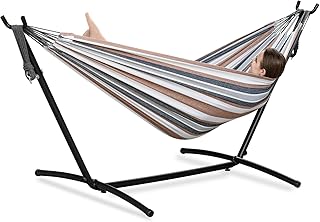
Best Choice Products Double Hammock with Steel Stand (Desert Stripes)
This is the most complete rest setup on the list: a Brazilian-style cotton bed paired with its own steel stand, so you get a proper deep curve without hunting for anchor points. The dense weave cradles the hips and lumbar region evenly, making it my default recommendation for anyone who wants to nap on a patio, deck, or even indoors during winter.
Best Choice Products 2-Person Rope Hammock with Spreader Bars
Woven cotton rope is unmatched for airflow, which makes this the best pick for humid climates where fabric hammocks feel clammy. The spreader bars keep the surface flat and easy to climb into — just note that flatter beds are less forgiving of poor hang angles, so give the lines plenty of slack.
Double Hammock with Stand, Heavy-Duty Portable (Coffee)
A space-saving frame with a 450 lb rating and a 9-foot bed, this one suits balconies, narrow side yards, and apartment living rooms. Assembly is genuinely straightforward, and the compact footprint doesn’t come at the cost of a stable, creak-free platform.
Kootek Camping Hammock, 500 lb Capacity
Featherweight 210T parachute nylon, D-shaped carabiners, and tree-friendly straps make this the packable choice for campsites and travel. It stuffs into its attached bag in seconds, though I’d pair it with a blanket beneath you for anything longer than a short daytime rest.
ANYOO Cotton Camping Hammock, 660 lb Capacity
The highest capacity here, wrapped in a breathable cotton weave that feels considerably more bed-like than nylon against bare skin. It’s the sweet spot for readers who want portability without giving up the soft, enveloping texture that helps the body actually let go.
Frequently Asked Questions
Is sleeping in a hammock actually good for you?
Research on gentle rocking suggests it can shorten the time it takes to fall asleep and increase time spent in deeper sleep stages. The caveat is alignment: a properly sagged hammock supports a neutral spine, while a taut one does not.
How far apart should my anchor points be?
For a 9- to 10-foot hammock, roughly 12 to 15 feet between trees or posts works well. Hang the straps higher than feels necessary so the bed settles about chair height off the ground once you’re in it.
Do I need a stand, or will trees do?
Trees are fine if they’re living, at least 6 inches in diameter, and correctly spaced — always use wide webbing straps rather than rope to protect the bark. A steel stand is the better long-term answer for patios, decks, and indoor use.
Will a hammock leave my back sore?
Only if it’s hung too tightly or you sleep dead-center along the length. Lie slightly diagonally across the fabric to flatten your position, and let the curve support your lower back rather than folding you at the hips.
Final Thoughts
For most households, the Best Choice Products Double Hammock with Steel Stand delivers the best all-around rest experience, since it removes the guesswork from hanging and nails the deep, spine-friendly curve. Choose the Best Choice Products Rope Hammock if breathability in hot weather is your priority, or the Kootek Camping Hammock if you need something that disappears into a backpack for trail naps and campsites.