Key takeaways
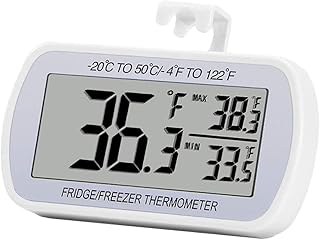
- Verified temperature range: Look for a unit that states an actual range in degrees rather than vague “cools to 32°F below ambient” language. Thermoelectric coolers drift with room temperature, so a fridge that only claims relative cooling may sit too warm in a 78°F bedroom in August. Always confirm your specific storage requirements with the pharmacy, clinician, or manufacturer that supplied the material, then buy a fridge that comfortably covers that window with a separate digital thermometer inside to prove it.
- Thermoelectric versus compressor: Thermoelectric (Peltier) units are near-silent apart from a small fan and are ideal within arm’s reach of a bed. Compressor models hold tighter temperatures in warm rooms but cycle audibly. If you’re a light sleeper, favor thermoelectric and place the fridge in a cooler room.
- Real usable capacity: Vials, pens, and bacteriostatic water take up more vertical space than the “6 can” rating suggests. A 4L unit suits a handful of vials and a small kit; 10L gives you room for reconstituted supplies, cool-pack inserts, and a shelf you can actually organize.
- Locking door and shelving: If there are children, roommates, or guests in the home, a keyed or lockable smoked-glass door is not a luxury — it’s basic risk control. Removable shelves also let you stand taller items upright instead of laying them on their sides.
- Light, vibration, and placement: Check whether indicator LEDs can be covered, whether the door light stays off when closed, and whether the feet dampen buzz on a wooden nightstand. Leave a few inches of clearance behind the unit; a cramped fridge runs its fan harder and longer, and that duty cycle is what you’ll hear at 3 a.m.
What's inside
Most people shopping for a compact refrigerator to hold peptide vials are solving two problems at once, and they usually only realize the second one after the box arrives. The first problem is thermal: peptides — whether they’re prescribed by a clinician, part of a skincare regimen, or research material — are generally happiest in a narrow cold band, and a shared kitchen fridge with a door that opens forty times a day is a poor custodian of that band. The second problem is acoustic. Because these fridges almost always end up on a nightstand, a dresser, or a closet shelf a few feet from a pillow, the wrong unit can quietly cost you thirty minutes of sleep latency every night and you’ll blame the coffee.
I spend my working life on sleep environments, and cooling appliances in bedrooms are a recurring culprit in the sleep diaries I review — a low compressor cycle, a bright blue status LED, or a thermostat that clicks on the hour will fragment light sleep even when the sleeper never fully wakes. So this guide looks at small refrigerators through both lenses: stable, appropriate cold storage for temperature-sensitive vials, and a bedroom-safe noise and light profile. Below you’ll find the picks, then a buyer’s checklist covering temperature range, cooling technology, capacity, security, and the details that decide whether a fridge belongs beside your bed or out in the hall.
As an Amazon Associate we earn from qualifying purchases.


How to Choose a/an Mini Fridge For Peptides (2026)
- Verified temperature range: Look for a unit that states an actual range in degrees rather than vague “cools to 32°F below ambient” language. Thermoelectric coolers drift with room temperature, so a fridge that only claims relative cooling may sit too warm in a 78°F bedroom in August. Always confirm your specific storage requirements with the pharmacy, clinician, or manufacturer that supplied the material, then buy a fridge that comfortably covers that window with a separate digital thermometer inside to prove it.
- Thermoelectric versus compressor: Thermoelectric (Peltier) units are near-silent apart from a small fan and are ideal within arm’s reach of a bed. Compressor models hold tighter temperatures in warm rooms but cycle audibly. If you’re a light sleeper, favor thermoelectric and place the fridge in a cooler room.
- Real usable capacity: Vials, pens, and bacteriostatic water take up more vertical space than the “6 can” rating suggests. A 4L unit suits a handful of vials and a small kit; 10L gives you room for reconstituted supplies, cool-pack inserts, and a shelf you can actually organize.
- Locking door and shelving: If there are children, roommates, or guests in the home, a keyed or lockable smoked-glass door is not a luxury — it’s basic risk control. Removable shelves also let you stand taller items upright instead of laying them on their sides.
- Light, vibration, and placement: Check whether indicator LEDs can be covered, whether the door light stays off when closed, and whether the feet dampen buzz on a wooden nightstand. Leave a few inches of clearance behind the unit; a cramped fridge runs its fan harder and longer, and that duty cycle is what you’ll hear at 3 a.m.
The Best Mini Fridge For Peptides (2026)s Reviewed
Classic Compact Portable Mini Fridge with Lock
This is the most purpose-built option here: a stated 37°F–64°F control range, removable shelves, and a locking smoked-glass door that shields contents from both curious hands and ambient light. If you want one fridge that handles temperature-sensitive vials, supplements, and skincare with documented settings, start here.
Antarctic Star 10L Mini Fridge (Black)
The extra headroom over typical 4L personal coolers is the selling point — 10L means upright vials, a cool pack, and a travel kit can coexist without stacking. AC/DC adapters make it easy to move between bedroom, office, and car without buying accessories.
Cooluli 4L Mini Fridge
Cooluli’s thermoelectric build is one of the quietest I’ve had on a nightstand, and the cool-and-warm switch plus USB, 12V, and AC input makes it the most travel-flexible pick. Best for a modest vial count where silence matters more than capacity.
CROWNFUL 4L Portable Cooler and Warmer
ETL listing and consistent build quality make this a sensible entry point, with a compact footprint that fits a crowded dresser. Verify its interior temperature with a thermometer in warm rooms, as with any thermoelectric unit.
BEICHEN 4L Mini Fridge
BEICHEN leans on fast pull-down and genuinely low fan noise, which is a good combination for closet or bedside placement. A solid budget choice if you don’t need a lock or glass door.
Frequently Asked Questions
What temperature should I store peptides at?
It depends entirely on the specific compound and whether it’s lyophilized or reconstituted, so follow the storage instructions from your pharmacy, prescriber, or supplier rather than a general rule. Buy a fridge whose range covers those instructions and confirm it with an independent digital thermometer.
Are thermoelectric mini fridges cold enough?
Usually, provided the room stays reasonably cool, because they cool relative to ambient temperature. In a hot bedroom they can drift warmer than expected — which is why the thermometer matters and why a unit with a stated degree range is safer.
Will a mini fridge disturb my sleep?
A thermoelectric model at low fan speed generally sits below the threshold that fragments sleep, while compressor units are more likely to intrude. Cover bright LEDs, put the fridge on a solid surface rather than a hollow nightstand, and keep it out of the direct line of your ear if you sleep on your side.
Do I need a lock?
If anyone else has access to the room — children especially — yes. A keyed door is inexpensive insurance and also keeps a well-meaning houseguest from rearranging your shelf.
Final Thoughts
For most buyers the Classic Compact Portable Mini Fridge is the right call, thanks to its explicit 37°F–64°F range and locking glass door, while the Antarctic Star 10L (in black or white, depending on your bedroom palette) wins on capacity and long-term flexibility. If your priority is a whisper-quiet nightstand companion for a small vial collection, the Cooluli 4L remains the one I recommend to light sleepers.