Key takeaways
- Breathability and heat buildup: Woven linens and faux linens let skin-level moisture escape, so you don’t get the sticky, overheated feeling that makes people fidget through the second course. Vinyl and PU seal heat in — fine for a 30-minute breakfast, less pleasant for a two-hour evening meal in a warm room.
- Abrasion resistance in yards, not adjectives: Look for a stated weight or thickness (1.2mm and up on a woven, 0.8mm+ on a faux leather) and a tight, dense weave you can’t see light through. Thin decorative cloth will pill at the seat’s front edge within a year.
- Cleanability versus texture: Wipeable surfaces win in households with toddlers or frequent guests; textured wovens hide crumbs and dents better but need a fabric protector spray and occasional vacuuming. Decide which failure mode annoys you less.
- Low-odour, low-off-gas materials: Fresh vinyl and PU can release a noticeable chemical smell for days. If your dining area shares air with a bedroom or open-plan sleeping space, unroll and air the fabric for 48–72 hours before stapling it down.
- Yardage and stretch direction: Budget roughly half a yard per standard drop-in seat, plus 15% for pattern matching and mistakes. Check whether the material has any give — a slight stretch helps you pull clean corners without puckering.
What's inside
Most people don’t think about their dining chairs until the seams split, the foam flattens, and a Sunday lunch starts feeling like a negotiation with the furniture. As someone who spends most of my working life on rest and recovery, I’d argue the problem runs deeper than aesthetics: the surfaces we sit on in the last few hours of the day shape how easily the body downshifts. A chair that traps heat, prickles the backs of your legs, or forces constant micro-adjustments keeps the nervous system mildly switched on — the opposite of what you want between dinner and bedtime.
Reupholstering is the cheapest fix for that, and the fabric you choose does almost all the work. This guide looks at the materials worth putting on a dining chair in 2026 — breathable faux linens, grain-textured PU leathers, and marine-grade vinyls — and explains how each one behaves under real conditions: spilled wine, warm rooms, restless kids, and the long dinners you don’t want to cut short because your seat has gone clammy.
As an Amazon Associate we earn from qualifying purchases.



How to Choose a Material To Reupholster Dining Room Chairs (2026)
- Breathability and heat buildup: Woven linens and faux linens let skin-level moisture escape, so you don’t get the sticky, overheated feeling that makes people fidget through the second course. Vinyl and PU seal heat in — fine for a 30-minute breakfast, less pleasant for a two-hour evening meal in a warm room.
- Abrasion resistance in yards, not adjectives: Look for a stated weight or thickness (1.2mm and up on a woven, 0.8mm+ on a faux leather) and a tight, dense weave you can’t see light through. Thin decorative cloth will pill at the seat’s front edge within a year.
- Cleanability versus texture: Wipeable surfaces win in households with toddlers or frequent guests; textured wovens hide crumbs and dents better but need a fabric protector spray and occasional vacuuming. Decide which failure mode annoys you less.
- Low-odour, low-off-gas materials: Fresh vinyl and PU can release a noticeable chemical smell for days. If your dining area shares air with a bedroom or open-plan sleeping space, unroll and air the fabric for 48–72 hours before stapling it down.
- Yardage and stretch direction: Budget roughly half a yard per standard drop-in seat, plus 15% for pattern matching and mistakes. Check whether the material has any give — a slight stretch helps you pull clean corners without puckering.
The Best Material To Reupholster Dining Room Chairs (2026)s Reviewed
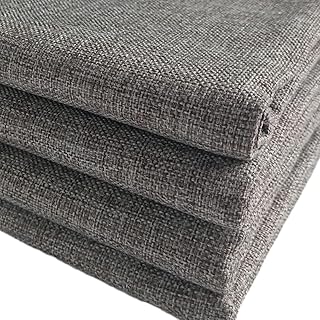
TinaKim Thick Chair Upholstery Fabric (Faux Linen, 2 Yard)
This is my default recommendation for dining chairs that get used in the evening: the faux-linen weave is thick enough to survive daily seating yet still breathes, so nobody gets up with damp thighs. Two yards covers four standard drop-in seats with room for error, and the flaxen tone hides crumbs far better than a flat solid.
Wento Thick Faux Leather Fabric (2 Yards, Beige)
A soft skin-grain PU that wipes clean in one pass — genuinely useful if your table doubles as a homework and craft station. It’s supple enough to fold into tight corners without cracking, though I’d air it out for a couple of days before installation to let the manufacturing odour dissipate.
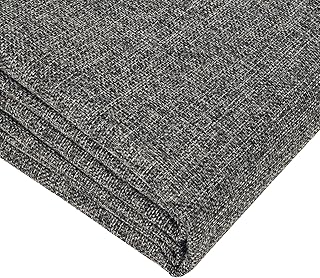
Heavy Linen Fabric 80×57, 1.2mm (Dark Grey)
The most breathable option here, and the one I’d choose for a hot climate or a south-facing dining room. At 1.2mm it has real substance under the staple gun; just seal it with a fabric protector, because untreated linen drinks anything you spill on it.
Faux Linen Needlework Fabric (3.3 Yards, Grey Blue)
Best value if you’re doing a full set of six chairs — 3.3 yards leaves enough for matching cushion covers or a runner. The muted grey-blue is quietly restful rather than attention-grabbing, which suits a room you want to feel calm in after dark.
Soft Waterproof Marine Vinyl Faux Leather (54×72, Grey)
Fully waterproof and built for boat seating, so household spills are trivial. It runs warmer than the wovens above, making it the right pick for kitchen chairs, patio-adjacent dining, or homes with pets — less so for lingering three-course dinners.
Frequently Asked Questions
How much fabric do I need per chair?
Measure the seat’s width and depth, add twice the cushion thickness plus 3 inches on every side for wrapping. Most standard dining seats land between 0.4 and 0.6 yards from a 57-inch-wide roll.
Does the fabric really affect comfort that much?
More than people expect. Thermal comfort drives how long you can sit still without shifting, and constant repositioning in the evening keeps arousal levels mildly elevated — one small reason a stuffy dining chair can nudge a relaxed meal into a restless one.
Can I upholster over the old fabric?
You can, but don’t. Old cover layers hide compressed foam, trapped moisture, and sometimes mildew — all of which will show through as lumps and odour. Strip to the board, replace the foam, and add fresh batting.
Is vinyl or linen better for allergy-prone households?
Wipeable vinyl holds fewer dust mites and is easier to sanitise, so it usually wins for sensitive sleepers. If you prefer a woven, choose a tight weave and vacuum the seats weekly with a brush attachment.
Final Thoughts
For most dining rooms, the TinaKim Thick Faux Linen hits the best balance of durability, breathability, and forgiving texture, and the Faux Linen Needlework Fabric is the smarter buy once you’re covering five or six chairs. If your household is hard on furniture — young kids, pets, frequent spills — go with the Wento Soft Skin-Grain Faux Leather and accept the small trade-off in airflow for a surface you can clean in seconds.