Key takeaways
- Run and discard the first two or three full bins after installation — early ice carries manufacturing residue and flat, plasticky flavor.
- If harvest noise wakes you, switch the maker off at night and store a sealed container of ice in the freezer; a lidded bin also blocks odor transfer.
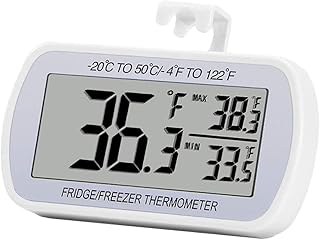
- Keep the freezer between 0°F and 5°F. Warmer temperatures slow production dramatically; colder wastes energy without improving ice.
- Measure your doorway, hallway turns, and cabinet opening before ordering, and confirm the door-swing clearance on French-door models.
What's inside
Most refrigerator guides never mention the one thing I hear about constantly in sleep consultations: the kitchen. A compressor that groans at 2 a.m., an ice harvest that clatters into a bin like a handful of gravel, a wall shared with a bedroom — these are the small, repeatable disturbances that fragment sleep without ever fully waking you. So while this is a guide to buying a refrigerator with a genuinely good ice maker, it’s written by someone whose professional interest is in what happens to your nervous system at night. The two concerns overlap more than you’d expect.
Below, you’ll learn how the four main ice styles actually differ in output, texture, and acoustics; how to read production and storage specs without being misled by marketing numbers; why placement and plumbing matter as much as the appliance itself; and what maintenance keeps ice tasting clean six months in. I’ll point to a handful of models worth shortlisting, including one dedicated undercounter unit that solves the noise problem entirely by moving ice production out of the main fridge.
As an Amazon Associate we earn from qualifying purchases.


Understand the Four Ice Types Before Anything Else
Ice is not a single product. Cubed ice is the durable default: slow to melt, ideal for spirits, loudest on harvest. Crescent or half-moon ice is what most factory-installed makers produce; it’s compact and reliable but dilutes drinks quickly. Nugget ice — the chewable, cloudy pellets people become genuinely devoted to — is made by compressing ice flakes rather than freezing solid blocks, which makes it softer, faster to produce, and noticeably quieter as it drops. Crushed ice is cubed ice sent through a grinder, so it’s the harshest sound in the kitchen. If you want nugget ice without a countertop machine, look at the 20 Cu Ft French Door Refrigerator with Side Freezer, which builds both nugget and cube production into the cabinet, or the Samsung 26 cu. ft. Counter Depth 3-Door, which offers four ice types from a single appliance.
Read Production and Storage Numbers Correctly
Manufacturers quote daily production in pounds per 24 hours, and this figure is measured under ideal conditions: cold ambient air, full water pressure, an empty bin. Real-world output in a warm summer kitchen often lands 20–30% lower. Storage capacity matters just as much as production rate, because a small bin means the maker cycles more often, and cycling is when the noise happens. A built-in fridge maker typically stores 3–6 pounds. By contrast, the 2-in-1 Ice Maker & Beverage Fridge produces up to 120 lbs per 24 hours with 30 lbs of storage — overkill for a weeknight, transformative if you entertain.
Match the Format to Your Kitchen, Not the Spec Sheet
An in-door dispenser is convenient but consumes freezer volume and introduces a mechanical chute right at ear height. A freezer-mounted maker preserves fresh-food space and is generally quieter. Counter-depth designs like the KoolMore 22.5 Cu. Ft. 4-Door sit flush with cabinetry, which improves flow in narrow galley kitchens but reduces interior depth. For smaller households or apartments, the LRAIN 16 Cu. Ft. French Door with bottom-mount freezer drawer delivers frost-free operation and integrated ice in a footprint that won’t dominate the room.
Plumbing, Placement, and the Acoustics of Sleep
Ice makers need a water line, and the quality of that connection determines both ice clarity and how much the fill valve thuds. A braided stainless supply line with a properly seated shut-off valve is quieter and far less likely to fail than plastic tubing. Beyond plumbing, consider geometry: sound reflects off hard surfaces and travels through shared walls and floor joists. If your bedroom adjoins the kitchen, avoid pushing the unit tight against that wall, leave the manufacturer-specified clearance for airflow, and consider a vibration-damping mat under the feet. Where a bedroom sits directly beside the kitchen, an undercounter ice unit installed on an exterior wall is often the better architectural answer.
Water Quality and Ongoing Maintenance
Ice absorbs whatever is in the air and water around it. Replace the carbon filter every six months, empty the bin fully every few weeks so old ice doesn’t fuse and develop off-flavors, and wipe the bin with a dilute white vinegar solution quarterly. Hard-water households should expect scale on the evaporator plate; descaling once or twice a year keeps production rates from quietly declining.
Tips
- Run and discard the first two or three full bins after installation — early ice carries manufacturing residue and flat, plasticky flavor.
- If harvest noise wakes you, switch the maker off at night and store a sealed container of ice in the freezer; a lidded bin also blocks odor transfer.
- Keep the freezer between 0°F and 5°F. Warmer temperatures slow production dramatically; colder wastes energy without improving ice.
- Measure your doorway, hallway turns, and cabinet opening before ordering, and confirm the door-swing clearance on French-door models.
Frequently Asked Questions
Which refrigerator has the best ice maker overall in 2026?
For versatility, the Samsung 26 cu. ft. Counter Depth 3-Door leads, offering four ice formats from one cabinet. If nugget ice is your priority and budget matters more, the 20 Cu Ft French Door with dual nugget and cube production is the stronger value.
Is nugget ice quieter than cubed ice?
Generally yes. Nugget ice is extruded from compressed flakes rather than released from a solid tray, so harvest is a soft rustle rather than a sharp clatter — a meaningful difference in an open-plan home at night.
Do I need a plumbed water line?
For any refrigerator-integrated maker, yes. Some standalone undercounter units also require a drain. Reservoir-fill models exist but produce far less ice and demand daily attention.
How long should an ice maker last?
Expect eight to twelve years with filter changes and periodic descaling. Declining output, hollow cubes, or a maker that stops cycling usually points to a clogged filter, low water pressure, or a failing inlet valve — all repairable.
Conclusion
The best ice maker is the one whose output, format, and sound profile fit the way your household actually lives. Decide on your ice type first, verify production and storage against realistic use, plan the plumbing and placement deliberately — with a thought for whoever sleeps nearest the kitchen — and commit to a simple filter and cleaning routine. Do that, and you’ll get clean, plentiful ice for the better part of a decade without paying for it in broken sleep.