Key takeaways
- CFM at 90 PSI: This is the only air spec that predicts real performance. A framing nailer typically wants 2.0–2.5 SCFM at 90 PSI for steady work; aim for at least 3.0 if you plan to run two guns, and 4.0+ if a second framer will be nailing alongside you all day.
- Tank size versus recovery: A 6-gallon tank stores enough air to absorb bursts, but recovery speed determines whether you ever stop. Twin-stack and 8-gallon units cycle less often, which means fewer motor starts, less heat, and a quieter overall work session.
- Decibel rating: Anything at or under 60 dB sits in the range of normal conversation and won’t reliably pull someone out of light sleep two rooms away. Standard pancake units run 78–85 dB, loud enough to warrant hearing protection and a hard stop by early evening.
- Maximum pressure headroom: Units rated to 200–225 PSI pack more usable air into the same tank volume, stretching the interval between cycles. That headroom matters most on long hose runs and in cold weather, when pressure drop is more pronounced.
- Transport format: Pancake compressors carry easily up a ladder or into a truck bed; trolley designs with rubber tires move better across finished floors and gravel without gouging or requiring a second set of hands.
What's inside
Framing nailers are among the thirstiest tools on a job site, and they punish an undersized compressor without mercy. Drive a dozen sinkers into a stud wall and a small tank drops out of range, the motor kicks on and stays on, and suddenly you’re standing around waiting on air instead of laying out plates. Worse, that constant cycling means constant noise — and if you’re framing a basement remodel, building a bed frame in an attached garage, or working anywhere within earshot of a sleeping household, sound pressure stops being a footnote and becomes the deciding factor. As someone who spends a lot of time thinking about how ambient noise wrecks sleep architecture, I’ll say plainly: an 85-decibel compressor cycling every ninety seconds is not a neutral background event. It’s a repeated arousal trigger, and it’s the reason a lot of weekend builds get shut down early.
This guide balances both halves of the equation. On one side, the raw air numbers that actually matter for a framing gun — CFM at 90 PSI, tank volume, recovery time, and whether the unit can feed two nailers at once. On the other, the practical realities of running that machine in and around a living space: decibel rating, duty cycle, portability, and how the compressor behaves during long stretches of trim and finish work after the heavy framing is done. Below you’ll find the models worth your money in 2026, followed by a buying framework and answers to the questions that come up most.
As an Amazon Associate we earn from qualifying purchases.



How to Choose a/an Air Compressor For Framing Gun (2026)
- CFM at 90 PSI: This is the only air spec that predicts real performance. A framing nailer typically wants 2.0–2.5 SCFM at 90 PSI for steady work; aim for at least 3.0 if you plan to run two guns, and 4.0+ if a second framer will be nailing alongside you all day.
- Tank size versus recovery: A 6-gallon tank stores enough air to absorb bursts, but recovery speed determines whether you ever stop. Twin-stack and 8-gallon units cycle less often, which means fewer motor starts, less heat, and a quieter overall work session.
- Decibel rating: Anything at or under 60 dB sits in the range of normal conversation and won’t reliably pull someone out of light sleep two rooms away. Standard pancake units run 78–85 dB, loud enough to warrant hearing protection and a hard stop by early evening.
- Maximum pressure headroom: Units rated to 200–225 PSI pack more usable air into the same tank volume, stretching the interval between cycles. That headroom matters most on long hose runs and in cold weather, when pressure drop is more pronounced.
- Transport format: Pancake compressors carry easily up a ladder or into a truck bed; trolley designs with rubber tires move better across finished floors and gravel without gouging or requiring a second set of hands.
The Best Air Compressor For Framing Gun (2026)s Reviewed
Metabo HPT EC914S 6-Gallon Pancake
At 4 CFM and 200 PSI, this is the clear pick for anyone framing seriously, since it genuinely supports two nailers running simultaneously without the pressure sag that stalls a gun mid-drive. The tradeoff is conventional job-site volume, so treat it as a daylight-hours tool if there are sleepers in the building.
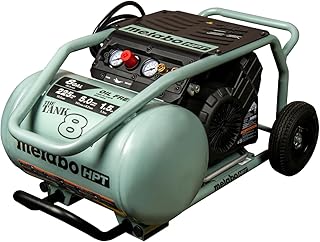
Metabo HPT EC1315S 8-Gallon Trolley
The 8-gallon tank and 225 PSI ceiling deliver the longest run between cycles of anything here, which translates to fewer motor starts and a steadier acoustic floor across a full day. Rubber tires make it the easiest large-capacity unit to reposition as your wall layout progresses.
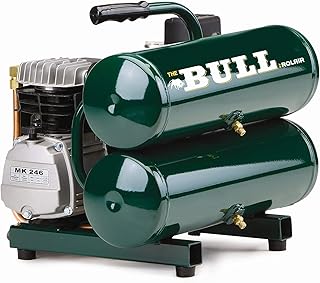
Rolair FC2002 2 HP Twin Stack
Rolair builds this one for contractors who run compressors hard, and the twin-stack format plus overload protection with manual reset shows it — recovery is quick and the pump tolerates heat far better than budget alternatives. It’s the durability choice if this machine will see years of framing rather than one project.
DEWALT DWFP55126 6-Gallon Pancake
2.6 SCFM at 90 PSI comfortably feeds a single framing nailer with margin to spare, and the oil-free pump means no maintenance ritual between projects. A reliable, unfussy default for homeowners and remodelers working one gun at a time.
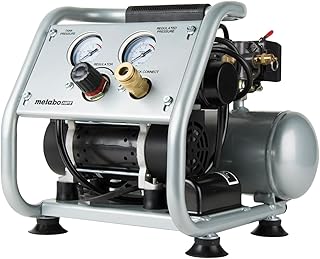
Metabo HPT EC28M Quiet 1-Gallon
At 59 dB this is the unit you keep for evening work, apartment projects, and finish nailing near bedrooms — quiet enough that it won’t fragment anyone’s sleep down the hall. The 1-gallon tank is too small for sustained framing, so pair it with a larger compressor rather than relying on it alone.
Frequently Asked Questions
Can a pancake compressor really run a framing nailer?
Yes, provided it delivers roughly 2.5 SCFM or more at 90 PSI. A 6-gallon pancake handles single-gun framing well; where it struggles is two operators nailing continuously, which is where 8-gallon and twin-stack units earn their keep.
How late in the evening can I run a compressor at home?
A standard 80-plus-decibel unit should generally be shut down a couple of hours before anyone in the house goes to bed, since noise that loud is audible through walls and disrupts the early sleep stages when deep sleep is consolidating. A sub-60 dB compressor is far more forgiving on that front.
Does a bigger tank mean a quieter machine?
Not in peak volume, but often in total exposure. A larger, higher-pressure tank cycles less frequently, so you hear the motor fewer times per hour — and intermittent noise is more disruptive to rest and concentration than steady background sound.
Do I need an oil-lubricated pump?
For most framing and remodeling work, no. Oil-free pumps are lighter, need no upkeep, and start reliably in cold garages; oil-lubricated designs run cooler and quieter under heavy continuous duty, which mainly benefits full-time production crews.
Final Thoughts
For serious framing where two nailers may run at once, the Metabo HPT EC914S is the most capable pick at its size, while the EC1315S trolley delivers the deepest air reserve and the longest quiet stretches between cycles for all-day builds. If your work happens in or near living space — evening projects, shared walls, a sleeping household — add the ultra-quiet EC28M as a companion for finish work, and reach for the loud machine only during daylight hours.