Key takeaways
- Weight and thickness: Look for genuine upholstery weight — roughly 10oz per yard or above, or a stated thickness near 1mm. Lightweight decorator fabric will pull at the staple line and thin over the front edge of the seat within a year.
- Breathability: Natural and faux linen weaves move air, which keeps skin temperature stable through a long meal. Slick synthetics and vinyls hold heat and moisture, a common and underappreciated source of restlessness at the table.
- Yardage math before color: Measure each seat, add four to six inches on every side for wrapping, then add a repeat allowance for patterns. Buying one continuous cut avoids dye-lot mismatch between chairs.
- Cleanability: Dining seats face spills, not just wear. Favor tight, flat weaves that release crumbs and wipe clean, and avoid loose loops or high pile that trap food particles and odor.
- Texture underhand: Sit on a sample if you can. A fabric with slight tooth holds you gently in place; overly smooth material encourages sliding and micro-adjustments that fatigue the lower back.
What's inside
Most people shop for dining chair fabric with their eyes and end up disappointed within a season. I come to this from the sleep and recovery side of the wellness field, where we spend a great deal of time studying how surfaces interact with the human body — thermal regulation, pressure distribution, moisture, and the small physical irritations that quietly wear a person down. A dining chair matters more than its square footage suggests: it is where many of us sit for the longest continuous stretch of the evening, winding down after work, and the wrong material makes that stretch subtly unrestful. Fabric that traps heat, slides underneath you, or forces constant repositioning keeps the nervous system mildly activated at precisely the hour it should be settling.
This guide approaches upholstery fabric the way I’d approach bedding: weight, weave density, breathability, and how the material behaves after six months of real use rather than on the first day. Below you’ll find the fabrics I’d recommend for reupholstering dining chairs in 2026, along with the selection criteria that actually predict long-term satisfaction — and the ones that don’t. Whether you’re refreshing a set of inherited chairs or building a bench seat from scratch, the goal is the same: a surface you stop noticing, because nothing about it demands attention.
As an Amazon Associate we earn from qualifying purchases.



How to Choose an Upholstery Fabric For Dining Chairs (2026)
- Weight and thickness: Look for genuine upholstery weight — roughly 10oz per yard or above, or a stated thickness near 1mm. Lightweight decorator fabric will pull at the staple line and thin over the front edge of the seat within a year.
- Breathability: Natural and faux linen weaves move air, which keeps skin temperature stable through a long meal. Slick synthetics and vinyls hold heat and moisture, a common and underappreciated source of restlessness at the table.
- Yardage math before color: Measure each seat, add four to six inches on every side for wrapping, then add a repeat allowance for patterns. Buying one continuous cut avoids dye-lot mismatch between chairs.
- Cleanability: Dining seats face spills, not just wear. Favor tight, flat weaves that release crumbs and wipe clean, and avoid loose loops or high pile that trap food particles and odor.
- Texture underhand: Sit on a sample if you can. A fabric with slight tooth holds you gently in place; overly smooth material encourages sliding and micro-adjustments that fatigue the lower back.
The Best Upholstery Fabrics For Dining Chairs (2026), Reviewed
TinaKim Thick Upholstery Fabric
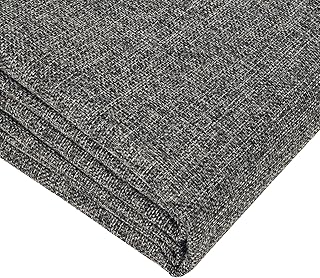
This is my default recommendation for a first reupholstery project — the faux linen weave is dense enough to survive stapling and stretching without distorting, and the two-yard cut covers a standard set of four seats with sensible margin. The grey-blue reads calm rather than cold under warm evening light, which matters if your dining room doubles as a wind-down space.
Faux Linen Needlework Fabric, 3.3 Yards
The generous 3.3-yard length is the real advantage here, giving you enough continuous material for six chairs or a chair-and-cushion pairing with matched color throughout. The hand is slightly softer than a true upholstery linen, so I’d reserve it for seats with a firm foam base that provides the structure the fabric doesn’t.
LaSilk Premium Upholstery Fabric by the Yard
Sold in single-yard increments, this thickened faux linen is the sensible choice when you’re patching one damaged chair or testing a color before committing. The navy is deep and even, and the added body means it tailors cleanly around corners without bunching at the staple.
11oz Polyester Blend Upholstery Fabric
At 11oz this is the most robust option on the list, and the polyester content resists the abrasion that eventually dulls pure linen on high-traffic seats. Breathability is a step behind the linens, so I’d pick it for cooler homes or chairs used in shorter sittings rather than long lingering dinners.
Heavy Linen Fabric, 1.2mm Thickness
The clear pick for anyone prioritizing thermal comfort: 1.2mm of genuine linen texture regulates temperature better than any synthetic here and develops a pleasant softened surface with use. The dark grey conceals everyday marks well, making it forgiving in households with children.
Frequently Asked Questions
How much fabric do I need per dining chair?
For a standard drop-in seat, budget about half a yard of 57-inch fabric per chair, which allows for the wrap and staple margin. Fully upholstered chairs with backs typically need one to one and a half yards each.
Does upholstery fabric really affect comfort at the table?
More than most people expect. Surface breathability and grip determine how often you shift position, and frequent repositioning over a ninety-minute dinner registers as low-grade fatigue rather than obvious discomfort.
Should I choose linen or a synthetic blend?
Linen and faux linen breathe better and feel more temperate against skin; synthetic blends resist abrasion and staining longer. If your chairs see daily heavy use, a blend is the pragmatic call.
Can I apply a fabric protector after reupholstering?
Yes, and I’d recommend it for lighter colorways. Apply in thin, even coats on a stretched, fully cured seat, and allow it to off-gas in a ventilated room for a day or two before use.
Final Thoughts
For most dining rooms, the TinaKim Thick Upholstery Fabric offers the best balance of weight, breathability, and usable yardage, while the Heavy Linen Fabric is the one I’d choose for genuine temperature comfort over long evenings. If durability outranks everything else in your household, the 11oz Polyester Blend will outlast the rest — and either way, you’ll stop thinking about your chairs, which is exactly the point.