Key takeaways
- Penetrating vs. film-forming: Oils soak into the fibers and wear away gradually — no peeling, easy refresh. Film builders like polyurethane sit on top and resist water far longer, but when they finally fail you’re sanding. Choose oil for furniture you’ll re-treat annually, film for pieces you’d rather forget about.
- UV protection, stated explicitly: Sunlight, not rain, is what turns teak and acacia silver-gray. Look for named UV absorbers or transoxide pigments on the label. “Water resistant” alone tells you nothing about fade.
- Wood species compatibility: Dense tropical hardwoods (teak, ipe, eucalyptus) accept thin oils but reject heavy coatings. Softwoods like cedar and pine drink deeply and benefit from a sealer with real build. Match the product to the board, not the other way around.
- Dry time and recoat window: Slow-curing oils stay tacky for days in humidity, collecting pollen and insects. If you have one dry weekend to work with, prioritize fast-drying formulas and check the recoat interval before you open the can.
- Tone shift you can live with: Every oil darkens wood and most add warmth. Test on the underside of a seat rail first. A golden cast that looks rich on teak can read orange on pale acacia.
What's inside
Most people buy patio furniture imagining slow mornings and long, drowsy afternoons on it — and then spend the next two summers watching it turn gray, splinter, and shed flakes onto the cushions. I spend most of my working life helping people build restorative outdoor spaces, and the pattern is consistent: the deck chair or daybed that actually gets used is the one that still feels good to touch. Rough, chalky, sun-bleached wood is a quiet deterrent. Nobody stretches out on a lounger that snags a sleeve.
The fix is not complicated, but it is specific. Outdoor wood needs a finish that moves with the seasons, blocks UV, and sheds water without sealing moisture underneath. This guide breaks down the finish categories that actually survive a full weather cycle, the six products worth your money in 2026, and how to match a finish to your wood species and climate — so your patio stays somewhere you want to linger, not a maintenance chore that follows you around.
As an Amazon Associate we earn from qualifying purchases.



How to Choose a Finish For Wood Patio Furniture (2026)
- Penetrating vs. film-forming: Oils soak into the fibers and wear away gradually — no peeling, easy refresh. Film builders like polyurethane sit on top and resist water far longer, but when they finally fail you’re sanding. Choose oil for furniture you’ll re-treat annually, film for pieces you’d rather forget about.
- UV protection, stated explicitly: Sunlight, not rain, is what turns teak and acacia silver-gray. Look for named UV absorbers or transoxide pigments on the label. “Water resistant” alone tells you nothing about fade.
- Wood species compatibility: Dense tropical hardwoods (teak, ipe, eucalyptus) accept thin oils but reject heavy coatings. Softwoods like cedar and pine drink deeply and benefit from a sealer with real build. Match the product to the board, not the other way around.
- Dry time and recoat window: Slow-curing oils stay tacky for days in humidity, collecting pollen and insects. If you have one dry weekend to work with, prioritize fast-drying formulas and check the recoat interval before you open the can.
- Tone shift you can live with: Every oil darkens wood and most add warmth. Test on the underside of a seat rail first. A golden cast that looks rich on teak can read orange on pale acacia.
The Best Finishes For Wood Patio Furniture (2026), Reviewed
Star Brite Premium Golden Teak Oil
Tung oil polymers plus UV absorbers make this the most well-rounded pick for teak and other fine hardwoods — it dries unusually fast for an oil and leaves a warm golden tone that flatters aged furniture without looking painted on. If you have a teak lounger or bench you want looking honeyed rather than gray, start here.
Seal-Once Nano+Poly Penetrating Wood Sealer
The heavyweight option: a water-based penetrating sealer with polyurethane that genuinely waterproofs rather than just beading for a season, and the two-gallon size covers a full patio set plus the deck underneath. Best for cedar, pine, and anything sitting in a wet climate where you want multi-year protection instead of an annual ritual.
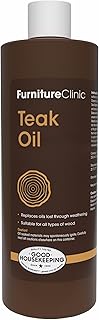
Furniture Clinic Teak Oil
A cleaner-and-conditioner in one that lifts surface grime while it feeds the wood, finishing to a natural matte rather than a shine. It’s my go-to for indoor-outdoor crossover pieces — shower benches, sauna seating, covered-porch furniture — where a glossy sheen would look out of place.
RMP Finishes Outdoor Defense Oil
Formulated with untreated softwood in mind, this handles cedar garden beds, fence panels, and rough-sawn furniture that would soak up a premium teak oil without much to show for it. Good value, honest coverage, and a low-odor application that won’t drive you off the patio mid-project.
LinSheen Boiled Linseed Oil
The traditional choice, updated with a faster dry time than old-school linseed — ideal for reviving parched, thirsty wood before you commit to a sealer, or for maintaining pieces where you want a hand-rubbed depth rather than modern polymer protection. Dispose of rags properly; linseed-soaked cloth is a real fire risk.
Frequently Asked Questions
How often should I re-oil outdoor furniture?
Penetrating oils on fully exposed furniture generally need refreshing every 6 to 12 months, and twice a year in intense sun. Covered or shaded pieces can stretch to 18 months. The tell is simple: sprinkle water on the arm — if it soaks in rather than beading, you’re due.
Do I have to strip the old finish first?
Not if you’re re-applying the same type of penetrating oil; a clean, dry, lightly sanded surface is enough. Switching from a film-forming sealer to an oil, or vice versa, does require full removal, or the new coat will sit on top and fail unevenly.
Can I let teak weather naturally instead?
Yes — teak’s silver patina is purely cosmetic and the wood remains structurally sound for decades. But unoiled boards get rougher and can splinter, which matters if you plan to nap on it. Comfort, not longevity, is the real argument for finishing.
What’s the best temperature and timing for application?
Aim for 50–85°F, low humidity, and out of direct sun, which flash-dries oil before it can penetrate. Early evening on a dry day is ideal, giving the finish overnight to set without dew.
Final Thoughts
For most patio sets, Star Brite Premium Golden Teak Oil is the pick that balances UV defense, fast drying, and a genuinely attractive tone. Choose Seal-Once Nano+Poly if you want serious waterproofing on cedar or softwood with years between coats, and keep Furniture Clinic Teak Oil on hand for the matte, low-maintenance pieces you’d rather clean and condition in a single pass.