Key takeaways
- True waterproofing vs. water resistance: Coated polyester and polyethylene shed rain outright; woven shade cloth is breathable by design and will pass water through. Decide whether you need a dry zone or a cool one, and buy accordingly.
- Drainage and pitch: Pooled water is the leading cause of stretched seams and midnight drips. Look for built-in drainage grommets, and install with a slight slope so runoff has somewhere to go.
- Light control: For daytime napping, aim for 90% or higher shade density in a darker or muted tone. Pale fabrics scatter light beneath the canopy and keep the space visually bright even in shade.
- Fit and tension: Measure your frame’s outside dimensions, then confirm the cover’s usable span. A drum-tight canopy is dramatically quieter than a loose one, which flutters and snaps at even modest wind speeds.
- Hardware quality: Reinforced hems, rust-resistant grommets, and adjustable straps determine whether a cover lasts one season or five. This is where budget options usually fail first.
What's inside
Anyone who has drifted off in a hammock on a warm afternoon knows that outdoor rest can be some of the deepest rest we get. The catch is that a pergola only earns that role if it actually keeps weather out. Bare slats let in dappled light that flickers across closed eyelids, unfiltered UV that raises skin temperature, and — most disruptive of all — the first cold drops of rain that end a nap the moment they arrive. A cover that leaks, sags, or drums loudly in the wind trades one sleep disruptor for another.
This guide looks at waterproof and shade-rated pergola covers through a rest-quality lens: how well each one blocks glare, how it handles standing water, how quietly it behaves in a breeze, and how securely it stays put once tensioned. Below you’ll find the current standouts for 2026, a short buying framework, and answers to the questions readers ask most often before committing to a size.
As an Amazon Associate we earn from qualifying purchases.



How to Choose a Waterproof Pergola Cover (2026)
- True waterproofing vs. water resistance: Coated polyester and polyethylene shed rain outright; woven shade cloth is breathable by design and will pass water through. Decide whether you need a dry zone or a cool one, and buy accordingly.
- Drainage and pitch: Pooled water is the leading cause of stretched seams and midnight drips. Look for built-in drainage grommets, and install with a slight slope so runoff has somewhere to go.
- Light control: For daytime napping, aim for 90% or higher shade density in a darker or muted tone. Pale fabrics scatter light beneath the canopy and keep the space visually bright even in shade.
- Fit and tension: Measure your frame’s outside dimensions, then confirm the cover’s usable span. A drum-tight canopy is dramatically quieter than a loose one, which flutters and snaps at even modest wind speeds.
- Hardware quality: Reinforced hems, rust-resistant grommets, and adjustable straps determine whether a cover lasts one season or five. This is where budget options usually fail first.
The Best Waterproof Pergola Covers (2026), Reviewed
Alion Home Universal Replacement Canopy (20′ x 10′)
The most practical pick for long, rectangular pergolas, with enough span to shelter a full lounge setup rather than a single chair. The muted Muddy Water colorway is a genuine advantage for rest — it absorbs rather than reflects light, so the space underneath reads as dim and cave-like even at midday.
17′ x 6.8′ Waterproof Pergola Canopy, Dark Gray
My pick for anyone whose primary complaint is rain. The waterproof polyester is paired with integrated drainage holes and adjustable tie straps, which together solve the two problems that plague replacement canopies: pooling and slack. The narrow footprint suits walkway-style or attached pergolas particularly well.
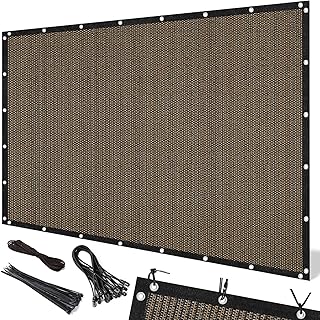
90% Sun Shade Cloth (10′ x 12′), Mocha
A breathable option for hot, dry climates where heat, not rain, is what wakes you. At 90% shade with grommets on all sides, it cuts glare and radiant load substantially while letting rising air escape — meaning the space beneath stays cooler than under a sealed canopy.
FAIR WIND 90% Sun Shade Cloth (8′ x 12′), Grey
Essentially the compact sibling of the above, with reinforced grommets that hold tension better over repeated seasonal takedowns. The grey fabric is neutral enough to disappear against most frames, and the smaller size makes it easy for one person to install alone.
10′ x 20′ Heavy Duty Beige Canopy Top with Valance
Built for structure rather than subtlety, this heavier top is the right answer for exposed sites and multi-day events. The valance adds welcome side coverage against low-angle morning sun — useful if your pergola faces east and you’d like to sleep past sunrise.
Frequently Asked Questions
Can a shade cloth work as a rain cover?
No. Shade cloth is intentionally porous so heat can escape. If you want to stay dry, choose a coated waterproof canopy; if you want airflow, choose shade cloth and accept that rain will pass through.
How do I stop water from pooling?
Install with a deliberate pitch of at least a few inches across the span, keep the fabric taut, and clear drainage grommets of debris seasonally. Sagging fabric collects water, and collected water accelerates sagging.
Will a canopy make my pergola noisier in wind?
Only if it’s loose. A properly tensioned cover is nearly silent; an under-tensioned one flaps rhythmically, which is exactly the kind of intermittent noise that fragments light sleep. Retighten straps as fabric relaxes.
Should I remove the cover in winter?
In snow or ice regions, yes. Snow load can exceed what most residential frames were designed to carry, and removal meaningfully extends fabric life.
Final Thoughts
For most readers, the 17′ x 6.8′ Waterproof Pergola Canopy in dark gray is the best all-around choice — genuinely waterproof, well-drained, and dark enough to make daytime rest feel like nighttime. Larger spaces are better served by the Alion Home 20′ x 10′ canopy, while those in hot, dry climates should skip waterproofing entirely and go with the 90% Mocha Shade Cloth for cooler, better-ventilated shade.