Key takeaways
- 3 oz (90 ml) chilled prosecco, preferably a brut or extra dry style
- 2 oz (60 ml) Aperol
- 1 oz (30 ml) soda water or plain sparkling water, very cold
- Plenty of ice, ideally large cubes
- 1 slice of fresh orange, about a quarter-inch (half a centimeter) thick
Short answer: an Aperol spritz is three parts chilled prosecco, two parts Aperol and one part soda water, built over plenty of ice in a large wine glass and finished with an orange slice. For a single drink that means 3 oz (90 ml) prosecco, 2 oz (60 ml) Aperol and 1 oz (30 ml) soda. Pour the prosecco first, add the Aperol, top with soda, stir once very gently and serve straight away. It is a drink for adults of legal drinking age.
Table of Contents
- Why the 3-2-1 spritz works
- Ingredients and substitutions
- Equipment and glassware
- Step-by-step method
- Tips for a better spritz
- Variations
- Making a pitcher for a group
- Troubleshooting
- Storage and make-ahead notes
- Serving ideas and pairings
- Frequently asked questions
- Conclusion
Why the 3-2-1 Spritz Works
A spritz is a style of drink more than a single fixed recipe. The family is simple: a bitter or aromatic aperitif, a sparkling wine and a splash of something fizzy and neutral, served long and cold. The Aperol version is the one most people meet first, partly because it is so approachable. Aperol is bright orange in color, sweet up front, gently bitter on the finish and lower in alcohol than most spirits, which is why a spritz tastes like a refreshing aperitif and not like a strong cocktail.
The 3-2-1 ratio does three jobs at once. Prosecco provides the bulk of the volume, the fruitiness and most of the bubbles. Aperol supplies the color, the orange-and-herb character and the bitter edge. Soda water stretches the drink, restores fizz that gets lost when you pour, and softens the sweetness so you can drink a full glass without it feeling syrupy. Change any one of the three and the balance moves in a predictable way, which makes this a very forgiving recipe to adjust once you have made it as written.
The ratio is also easy to remember and easy to scale. Because it is built by volume, you can make one drink with ounces, a table of guests with a pitcher, or a small tasting version in a short glass without doing any arithmetic beyond multiplying by the same number three times.
Some tasting notes to expect from a well-made spritz: fresh orange peel, a faint herbal and rhubarb-like bitterness, light sweetness, and a clean, dry-ish finish from the prosecco and soda. It should feel cold and lively on the tongue. If it tastes flat, heavy or cloying, one of the steps below went wrong, and the troubleshooting section will help you find which.
Ingredients and Substitutions
These measures make one drink. Multiply as needed.
- 3 oz (90 ml) chilled prosecco, preferably a brut or extra dry style
- 2 oz (60 ml) Aperol
- 1 oz (30 ml) soda water or plain sparkling water, very cold
- Plenty of ice, ideally large cubes
- 1 slice of fresh orange, about a quarter-inch (half a centimeter) thick
Choosing the prosecco
Prosecco labels use sweetness terms that can be confusing because they are counterintuitive. Brut is the driest and extra dry is slightly sweeter, followed by dry, which is sweeter again. Since Aperol already brings sugar, most people prefer a brut or extra dry bottle so the finished drink does not tip into sweet. You do not need an expensive bottle, because the Aperol and soda will cover subtle nuances, but you do want something you would be happy to drink on its own. A harsh, sour or flat wine will make a harsh, sour or flat spritz.
If you do not have prosecco, other dry sparkling wines work well. Cava, a dry crémant, or any inexpensive brut sparkling wine will give a similar result. They have slightly different flavor profiles but the structure of the drink stays the same.
About Aperol
Aperol is a bitter orange aperitif and is relatively low in alcohol compared with a standard spirit, commonly in the neighborhood of 11 percent by volume, though you should check the bottle in your market. If you cannot find it, you can substitute another bitter orange aperitif. These tend to be somewhat more bitter or more intense, so start with a little less than the full 2 oz, taste, and add more if you want. The drink will not look or taste identical, but the format works.
Ice and garnish
Ice does more than chill. It controls dilution. Big, dense, freezer-cold cubes melt slowly and keep the spritz crisp for longer. Small, wet or cloudy crushed ice melts faster, which waters the drink down before you reach the bottom of the glass. For the garnish, a fresh orange slice tucked against the glass adds aroma and a little juice when you press it. A strip of peel twisted over the top releases more fragrant oil if you want something more fragrant.
Equipment and Glassware
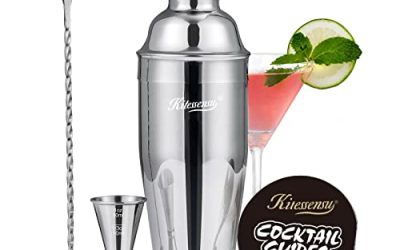
One of the pleasures of a spritz is that it needs almost no equipment. You do not need a shaker, because nothing in this drink should be shaken. Shaking a sparkling wine would flatten it and make a mess.
- Glass: A large stemmed wine glass is the traditional choice. A stemless wine glass or a large tumbler also works. Choose a glass that holds at least 12 to 14 oz (350 to 400 ml) so there is room for ice and a drink of about 6 oz (180 ml) without crowding.
- Jigger or measuring cup: A small measure with ounce or milliliter markings keeps the ratio accurate, which matters more in a three-ingredient drink than in a complex one.
- Bar spoon or long spoon: For the single gentle stir.
- Knife and small cutting board: For slicing the orange.
- Ice tray with large molds: Optional but useful. Large cubes are one of the simplest upgrades.
If you plan to entertain regularly, a set of matching large wine glasses and a basic cocktail jigger are the only things worth buying specifically for this drink. Look at the stated capacity of any glass before ordering, because many wine glasses sold as standard are smaller than a spritz glass should be.
Disclosure: as an Amazon Associate, this site may earn from qualifying purchases made through links on this page, at no extra cost to you.
Step-by-Step Method
- Chill everything. Keep the prosecco in the refrigerator for several hours before serving. If you have time, put the glass in the freezer for ten minutes or fill it with ice and water while you gather everything else. Warm glass and warm wine melt ice quickly and flatten the bubbles.
- Fill the glass with ice. Add enough ice to come close to the top of the bowl of the glass. A well-filled glass stays colder and dilutes more slowly than one with just a few cubes, which is counterintuitive but true.
- Pour the prosecco. Measure 3 oz (90 ml) and pour it over the ice. Tilt the glass slightly and pour down the side if you want to keep as much fizz as possible.
- Add the Aperol. Measure 2 oz (60 ml) and pour it in. It is denser than the wine, so it tends to sink and create a pretty gradient.
- Top with soda. Add 1 oz (30 ml) of cold soda water. This lifts the Aperol back through the drink and re-carbonates it.
- Stir once. Insert a spoon and make a single slow turn from the bottom of the glass upward. You want the colors to blend without knocking the bubbles out.
- Garnish and serve. Tuck the orange slice against the inside of the glass, or drop it in. Serve right away while it is cold and fizzy.
Tips for a Better Spritz
- Measure the first few times. Eyeballing a spritz is easy to do and tends to drift sweet or bitter. After a few measured drinks you will know what the right color and level look like in your own glass.
- Chill the bottles, not just the glass. Temperature is the biggest difference between a good spritz and a mediocre one.
- Do not stir hard. Vigorous stirring pushes dissolved carbon dioxide out of the wine. One gentle turn is enough because the pour itself mixes the layers.
- Drink it while it is cold. A spritz is a short-lived drink. After twenty minutes in warm weather it will have lost most of its charm.
Variations
| Variation | How to make it | Flavor and character |
|---|---|---|
| Classic 3-2-1 | 3 oz prosecco, 2 oz Aperol, 1 oz soda | Balanced, bittersweet, lively |
| Lighter, longer spritz | 2 oz prosecco, 1 oz Aperol, 2 oz soda | Less sweet, lower in alcohol, very refreshing |
| Extra bitter | 2 oz prosecco, 2 oz Aperol, 1 oz soda | More orange and herbal punch |
| Grapefruit twist | Classic plus a splash of grapefruit juice and a grapefruit slice | Tarter, a little more tropical |
| Rosé spritz | Replace prosecco with dry sparkling rosé | Fruitier, berry notes, prettier color |
| Non-alcoholic spritz | Non-alcoholic bitter aperitif, non-alcoholic sparkling wine, soda | Similar format, lighter and sweeter |
Making a Pitcher for a Group
A pitcher spritz is practical for gatherings, with one caveat: it should be assembled at the last possible moment because carbonation fades. The easiest approach is to scale the ratio by volume. Here is a guide you can use as a starting point.
| Servings | Prosecco | Aperol | Soda water | Orange slices |
|---|---|---|---|---|
| 2 | 6 oz (180 ml) | 4 oz (120 ml) | 2 oz (60 ml) | 2 |
| 4 | 12 oz (360 ml) | 8 oz (240 ml) | 4 oz (120 ml) | 4 |
| 6 | 18 oz (540 ml) | 12 oz (360 ml) | 6 oz (180 ml) | 6 |
| 8 | 24 oz (720 ml) | 16 oz (480 ml) | 8 oz (240 ml) | 8 |
Fill a large pitcher about halfway with ice. Add the Aperol first and then pour in the prosecco slowly down the side. Add the soda, give the contents one gentle stir with a long spoon and pour into ice-filled glasses. A standard 750 ml bottle of prosecco is about 25 oz, so a bottle covers roughly eight drinks at the classic ratio. That makes planning easy: for a larger party, think in bottles rather than ounces.
Avoid putting ice in the pitcher if guests will be slow to arrive, since the ice will melt and thin the drink. A better plan for a long event is to keep Aperol, prosecco and soda chilled separately, and let guests build their own glasses or build them yourself one at a time. A small card showing the ratio next to the bottles makes this easy.
Troubleshooting
The spritz tastes too sweet
Switch to a brut prosecco, add a little more soda, or reduce the Aperol slightly. A squeeze of fresh orange or lemon juice can also sharpen the drink. Make sure the soda is plain and unsweetened.
The spritz tastes too bitter
Increase the prosecco a little, or use the lighter ratio with more soda diluting the Aperol. Some palates find bitterness stronger when a drink is very cold, so let it sit for a minute before tasting again.
It is flat
Usually the prosecco was open too long, the soda was not fresh, or the drink was stirred too hard. Open a new bottle if you can and stir once, gently. A warm glass or warm ingredients also release carbon dioxide quickly.
It is watery
The ice was small or wet, the drink sat too long, or the ingredients were warm. Use larger ice cubes, chill the bottles properly and serve the drink immediately after making it.
Storage and Make-Ahead Notes
A finished spritz does not store. Once built, it begins to lose its bubbles and its ice begins to dilute it. Make it as close to serving as you can.
- Prosecco: Once opened, prosecco loses fizz fast. A proper sparkling wine stopper helps for a day, but the bubbles will not be the same. Plan to finish the bottle within the same event or day, or use leftovers in cooking, such as a pan sauce or a risotto.
- Aperol: An opened bottle keeps well in a cool, dark cupboard, and the color may fade slowly over a long time. Follow the label guidance on the bottle.
- Soda water: Keep small bottles or cans so that each one is fresh when opened.
- Orange slices: Cut them the same day and keep them covered in the refrigerator.
For make-ahead work, you can premeasure Aperol into small jars or a pitcher and chill it, slice garnishes, and set up glasses. Add the prosecco and soda at the last moment.
Serving Ideas and Pairings
In Italy the spritz belongs to the aperitivo hour, the early-evening stretch before dinner, and it is nearly always served with something salty. Salt and fat make the bitterness taste rounder and keep the drink from feeling too sharp on an empty stomach.
- Salty snacks: olives, potato chips, salted almonds, breadsticks.
- Cheese and cured meats: a simple board with a mild hard cheese and thinly sliced cured meat.
- Light bites: bruschetta with tomato, marinated artichokes, small sandwiches.
- Fried things: a plate of fried vegetables or a bowl of fries is a good match for the bubbles.
It suits warm afternoons, brunches, picnics and garden gatherings. In winter it works as a bright start to a holiday meal when served in smaller glasses.
Please enjoy responsibly. A spritz feels light, but it contains alcohol. Pace yourself, alternate with water, eat something alongside, and never drive after drinking. This recipe is intended only for adults of legal drinking age.
Frequently Asked Questions
What is the ratio for an Aperol spritz?
The classic ratio is 3 parts prosecco, 2 parts Aperol and 1 part soda water. For a single drink, that is 3 oz, 2 oz and 1 oz respectively.
Which goes into the glass first, the prosecco or the Aperol?
Most bartenders pour the prosecco over the ice first, then the Aperol, then soda. Pouring the wine first helps preserve the bubbles, and the heavier Aperol mixes in as it settles. The difference is small, so do not worry if you reverse the order.
What kind of glass should I use?
A large wine glass with a stem is classic, but a stemless wine glass or a large tumbler works. Pick one big enough to hold plenty of ice without crowding the drink.
Can I make an Aperol spritz without prosecco?
Yes. Any dry sparkling wine, such as cava or a brut sparkling wine, can replace prosecco. For a non-alcoholic version, use a non-alcoholic sparkling wine and a non-alcoholic bitter aperitif alternative.
How strong is an Aperol spritz?
It is lighter than most cocktails because Aperol is lower in alcohol than a typical spirit and the drink is diluted with sparkling wine, soda and ice. The exact strength depends on the products you use and how you pour, so treat it as a real alcoholic drink and drink with care.
Why is my spritz so bitter or so sweet?
Sweetness and bitterness shift with the type of prosecco, the amount of soda and the measure of Aperol. Brut prosecco and more soda make the drink drier. More prosecco softens the bitterness. Adjust one thing at a time.
Can I prepare a spritz in advance?
Not fully. You can chill the ingredients, slice the garnish and measure the Aperol ahead, but add the prosecco and soda right before serving so the drink stays fizzy.
How many drinks does one bottle of prosecco make?
A standard 750 ml bottle holds about 25 oz, so it makes roughly eight classic spritzes at 3 oz each, with a small amount left over. If you serve generous pours or use a lighter ratio with more wine, plan for fewer.
Conclusion
The Aperol spritz is proof that a great drink does not need to be complicated. Three ingredients in a simple ratio, a glass full of cold ice and a slice of orange are all you need. The details that matter are practical ones: chill everything, choose a dry sparkling wine, measure at first, stir gently and drink it while it is fresh. Once you understand how each ingredient moves the balance, you can adjust it to your own taste, scale it for a crowd or switch to a lighter or alcohol-free version without losing the character of the drink. Serve it with something salty, keep the pace easy and enjoy it responsibly.
More from Amazon
Programs that pair well with the guide above. Offers and eligibility are set by Amazon and may change.
Collect the home and kitchen items you want in one registry that guests can shop from.
Create a wedding registrySet up recurring deliveries of everyday items on eligible products. Terms and savings are set by Amazon.
Explore Subscribe & SaveFree shipping on eligible items, Prime Video and more. Eligible new members can start with a free trial.
Start a Prime free trialAudiobooks and podcasts to listen to on the go. Eligible new members can start with a free trial.
Try Audible freeAs an Amazon Associate we earn from qualifying purchases.