Key takeaways
- Frame material and rib count: Fiberglass ribs flex and rebound under load, while aluminum resists corrosion and keeps weight manageable. Eight ribs is the practical minimum — fewer means each one absorbs more strain, and bent ribs rarely straighten properly.
- Vented or double-top canopy: A vent lets pressure escape out the top instead of lifting the whole canopy. Double-top and multi-tier designs are the single most effective feature for windy sites, and they improve airflow underneath, which matters if you’re resting there.
- Base weight, not just base presence: Freestanding cantilever models generally need 150 lbs or more; table-mounted umbrellas rely on the table plus a base of at least 50 lbs. Underweighting the base undoes every other feature on this list.
- Canopy density and light control: Look for 180–240 GSM solution-dyed fabric with a stated UV rating. Denser fabric blocks more direct light, and deeper shade means less squinting and a lower stimulus load — genuinely useful if you nap outdoors.
- Mechanism quality: Crank-and-tilt hardware is the first thing to fail. Cast metal handles and multi-position tilt locks hold their angle in gusts; thin plastic collars tend to slip, which means light creeping across your face at the worst moment.
What's inside
Anyone who has drifted off in a lounge chair on a warm afternoon knows how quickly that peace can end. A gust rolls through, the canopy above you catches it like a sail, and suddenly you’re chasing eight aluminum ribs across the lawn instead of resting. As someone who spends most of my working hours helping people protect their rest — naps, wind-down routines, the unhurried hour after lunch — I’ve come to see the patio umbrella as a genuine piece of recovery equipment. Shade lowers skin temperature, softens glare that keeps your nervous system alert, and turns a hot deck into somewhere your body is actually willing to power down. An umbrella that flips, folds, or rattles all afternoon does the opposite.
This guide looks at wind-resistant patio umbrellas through that lens: which frames genuinely stay put, which canopies vent pressure instead of fighting it, and which models hold their tilt long enough for a real nap rather than a nervous ten minutes. Below you’ll find the models worth considering in 2026, followed by the specifications that actually predict survival in a breezy yard.
As an Amazon Associate we earn from qualifying purchases.
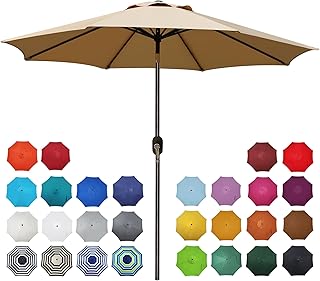


How to Choose a Wind Resistant Patio Umbrella (2026)
- Frame material and rib count: Fiberglass ribs flex and rebound under load, while aluminum resists corrosion and keeps weight manageable. Eight ribs is the practical minimum — fewer means each one absorbs more strain, and bent ribs rarely straighten properly.
- Vented or double-top canopy: A vent lets pressure escape out the top instead of lifting the whole canopy. Double-top and multi-tier designs are the single most effective feature for windy sites, and they improve airflow underneath, which matters if you’re resting there.
- Base weight, not just base presence: Freestanding cantilever models generally need 150 lbs or more; table-mounted umbrellas rely on the table plus a base of at least 50 lbs. Underweighting the base undoes every other feature on this list.
- Canopy density and light control: Look for 180–240 GSM solution-dyed fabric with a stated UV rating. Denser fabric blocks more direct light, and deeper shade means less squinting and a lower stimulus load — genuinely useful if you nap outdoors.
- Mechanism quality: Crank-and-tilt hardware is the first thing to fail. Cast metal handles and multi-position tilt locks hold their angle in gusts; thin plastic collars tend to slip, which means light creeping across your face at the worst moment.
The Best Wind Resistant Patio Umbrellas (2026) Reviewed
PURPLE LEAF Cantilever 10′ x 10′ Square Double Top
The double-top construction and 35 MPH-rated frame make this the most credible choice for genuinely exposed yards, and the offset pole means you can position a lounger or daybed entirely in shade without a post in the way. Setup takes some patience and a serious base, but the payoff is uninterrupted afternoon coverage.
PURPLE LEAF 10′ x 10′ Heavy Duty Frame (Grey)
A triangle-braced aluminum frame with 360° rotation and five tilt positions, which is the combination that lets you track the sun without repositioning furniture. The 240 GSM fabric produces noticeably deeper, cooler shade than lightweight canopies — the difference between dozing and merely lying down.
9ft 3-Tier Patio Umbrella (Navy)
The three-tier canopy is the smart pick for moderate wind at a reasonable price, since each tier acts as a vent and bleeds off pressure before it becomes lift. Eight ribs and a push-button tilt make it a straightforward table umbrella upgrade.
Ayge 9 FT Fiberglass Frame (Beige)
Fiberglass ribs are the reason to choose this one: they bend and recover where aluminum kinks, so a surprise squall is less likely to end the season early. The 180G UV50+ canopy is lighter than premium options but holds colour well through repeated sun exposure.
9′ Market Umbrella with 8 Sturdy Ribs
A dependable, no-frills market umbrella for patios with partial wind shelter — courtyards, fenced decks, or spots against the house. Pair it with a heavier base than the listing suggests and it will serve reliably through routine breezes.
Frequently Asked Questions
At what wind speed should I close my umbrella?
As a rule, close any umbrella once sustained wind passes roughly 20–25 MPH, even on frames rated higher. Manufacturer ratings assume ideal assembly and an adequately weighted base, and gusts routinely exceed the average reading.
Do vented canopies really make a difference?
Yes, and measurably so. Venting reduces the lift force acting on the canopy and improves air circulation beneath it, which lowers the temperature in your shaded area — a meaningful factor since falling core temperature is part of how the body initiates sleep.
Cantilever or centre-pole for windy areas?
Centre-pole umbrellas are generally more stable because the load sits directly over the base. Cantilever models can match them, but only with a properly loaded base — plan on 150 lbs or more, or a bolt-down plate.
Can I really nap comfortably under a patio umbrella?
You can, provided the shade is deep and stable. Choose a dense canopy, angle it to block low afternoon sun rather than just overhead light, and keep the session to 20–30 minutes so you wake before deep sleep and avoid grogginess.
Final Thoughts
For genuinely windy, open patios, the PURPLE LEAF Cantilever Double Top is the most robust option here and the best choice if you want a shaded lounging zone free of centre poles. If you’d rather have a table umbrella, the PURPLE LEAF 10′ x 10′ Heavy Duty Frame offers the best combination of frame rigidity, tilt control, and deep 240 GSM shade, while the 9ft 3-Tier model is the value pick that still takes wind seriously. Whichever you choose, spend the extra money on the base — it’s the least exciting purchase you’ll make and the one that protects everything else.