Key takeaways
- Light filtration over full blackout: Aim for a canopy that softens late-afternoon glare without creating a dark cave. Broad-leaved climbers like Boston ivy give even, cooling shade; feathery foliage scatters light more gently and suits smaller pergolas.
- Fragrance timing: Some vines are most aromatic at dusk, which is ideal if you use the space to decompress. Jasmine is the classic evening scent; if anyone in the household is scent-sensitive or prone to headaches, choose a low-fragrance climber instead and add scent in containers you can move.
- Growth speed versus structural load: Fast growers cover a bare frame in a season or two but keep growing. Wisteria in particular is heavy and woody at maturity and needs a genuinely solid pergola — not a lightweight kit.
- Seeds or rooted plants: Seeds cost less and suit annual coverage; rooted starts give you shade sooner. If your goal is usable evening shade this year, start with plants and fill gaps with seed.
- Maintenance you’ll realistically do: Twice-yearly pruning keeps a canopy breathable and prevents the dense, insect-friendly thatch that makes sitting outside at night unpleasant. Be honest about your appetite for a ladder.
What's inside
Most people shop for pergola plants with their eyes: they want the leafy, dappled canopy they saw in a magazine. What they rarely consider is how that canopy will affect their sleep. As someone who works with clients on circadian health, I see the same pattern often — a beautiful outdoor room that nobody uses after dusk because it’s too exposed, too bright from a neighbor’s floodlight, or too stimulating to unwind in. A pergola is one of the few structures that can genuinely extend your evening wind-down outdoors, but only if the vine you train over it is doing the right job: filtering light, buffering noise, and releasing scent at the hours you actually want to relax.
This guide looks at climbing vines through that lens. I’ve grouped the options by how they behave in the two hours before bed — the window that matters most for melatonin onset — while still being honest about growth rate, hardiness, and how much pruning you’re signing up for. Below you’ll find current picks, a short buying framework, reviews of the top five, and answers to the questions I get asked most by clients converting a patio into a sleep-friendly retreat.
As an Amazon Associate we earn from qualifying purchases.




How to Choose Pergola Vines in 2026
- Light filtration over full blackout: Aim for a canopy that softens late-afternoon glare without creating a dark cave. Broad-leaved climbers like Boston ivy give even, cooling shade; feathery foliage scatters light more gently and suits smaller pergolas.
- Fragrance timing: Some vines are most aromatic at dusk, which is ideal if you use the space to decompress. Jasmine is the classic evening scent; if anyone in the household is scent-sensitive or prone to headaches, choose a low-fragrance climber instead and add scent in containers you can move.
- Growth speed versus structural load: Fast growers cover a bare frame in a season or two but keep growing. Wisteria in particular is heavy and woody at maturity and needs a genuinely solid pergola — not a lightweight kit.
- Seeds or rooted plants: Seeds cost less and suit annual coverage; rooted starts give you shade sooner. If your goal is usable evening shade this year, start with plants and fill gaps with seed.
- Maintenance you’ll realistically do: Twice-yearly pruning keeps a canopy breathable and prevents the dense, insect-friendly thatch that makes sitting outside at night unpleasant. Be honest about your appetite for a ladder.
The Best Pergola Vines (2026), Reviewed
Thunbergia Grandiflora Blue Trumpet Vine (Pack of 2)
This sky vine is my first suggestion for anyone who wants privacy quickly, because it fills a frame in a single warm season and its large leaves create genuinely cooling shade. The cool-toned blue flowers also read as calming rather than energizing, which matters more than people expect in a space used for winding down.
Boston Ivy Vine Seeds (50 Seeds)
If your problem is glare — a west-facing pergola that becomes unusable from five o’clock onward — Boston ivy’s overlapping leaves are the most efficient natural light filter here. It’s self-clinging and low-fragrance, making it a sensible pick for households where strong floral scent is unwelcome near bedroom windows.
Purple Wisteria Trees (2 Well-Rooted Starts, 2.5″ Pots)
These amethyst wisteria starts are the shortcut to the cascading lavender canopy most people picture, and buying rooted plants rather than seed saves you years of waiting. Just confirm your pergola can carry the mature weight, and commit to summer and winter pruning from year one.
Outsidepride Mixed Cypress Vine Seeds (100 Seeds)
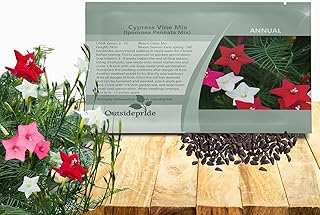
Cypress vine’s fern-like foliage throws a delicate, moving shade that feels lighter than a solid canopy — ideal for compact pergolas that would otherwise feel closed in. As an annual, it’s also the lowest-commitment way to test how much coverage you actually want before planting something permanent.
Climbing Jasmine Seeds (410 Seeds)
Jasmine is the vine I recommend most often for evening use, since the fragrance intensifies after sundown and pairs naturally with a consistent wind-down routine. Position it slightly away from where you sit so the scent arrives as a suggestion rather than a wall.
Frequently Asked Questions
Can a pergola vine really improve sleep?
Not directly, but it can support the conditions that help. Reducing evening light exposure, dampening street noise, and creating a consistent pre-bed setting are all well-established levers for better sleep onset, and a shaded outdoor room makes those habits easier to keep.
Is night-blooming jasmine too strong near a bedroom?
It can be for some people. Plant it at the far end of the pergola on your first season and see how it reads from your seating area and your window before adding more.
How fast will I get usable shade?
Annual climbers such as cypress vine can cover a frame within one season. Rooted perennial starts typically give meaningful coverage in the second year, while wisteria grown from seed may take several years to flower.
Will vines damage my pergola?
Twining vines are generally safe on sound timber or metal. Self-clinging types and mature wisteria demand more scrutiny — inspect joints annually and keep growth off roofing and gutters.
Final Thoughts
For most readers converting a patio into an evening retreat, the Thunbergia sky vine offers the fastest route to real privacy and shade, while the climbing jasmine adds the dusk fragrance that makes a wind-down ritual stick. If glare is your main complaint, start with Boston ivy and add a flowering climber once the canopy is established.