Key takeaways
- Verify the temperature range first: Thermoelectric coolers typically hold roughly 32–50°F below ambient rather than a locked 36–46°F. Confirm your medication’s required range with your pharmacist, and never assume a personal cooler meets pharmaceutical-grade specifications.
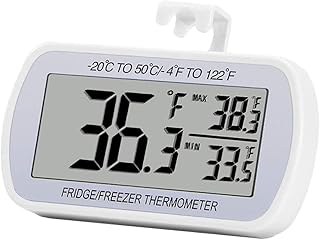
- Buy an independent thermometer: A £6 digital min/max thermometer placed inside is non-negotiable. It tells you what the interior is actually doing across a full day, including during warm afternoons when ambient temperature climbs.
- Prioritise low noise over capacity: Anything above roughly 30 dB will register in a silent bedroom. A fan cycling on during light sleep can cause micro-arousals you won’t consciously remember but will feel the next morning.
- Check the light and the power situation: Look for units without bright indicator LEDs, or plan to tape over them — blue and white light near the bed suppresses melatonin. Dual AC/DC operation also matters for travel and for keeping a cold chain intact in the car.
- Match volume to your actual supply: A 4L cabinet holds a modest amount once you account for airflow. If you store multiple pens, vials, eye drops and a cold pack, step up to 6L or 10L rather than cramming the space.
What's inside
Anyone who takes temperature-sensitive medication learns the same frustrating lesson quickly: the kitchen refrigerator is a terrible place for it. It runs cold and unevenly, the door gets opened forty times a day, and the shelf your insulin pens share with leftover curry is not what the manufacturer had in mind. Worse, from a sleep perspective, a nightly trip down the hallway under bright kitchen lighting at 2 a.m. is a reliable way to fragment your sleep architecture and delay falling back asleep by twenty minutes or more. As someone who spends their working life helping people protect the eight hours that matter most, I see bedside medication access as a genuine sleep-hygiene issue, not a convenience upgrade.
A compact thermoelectric fridge solves the geography problem elegantly — it sits on a nightstand, runs quietly enough not to intrude on light sleep stages, and keeps a small, dedicated supply within arm’s reach. This guide looks at six popular personal-size units through that dual lens: how reliably they hold a cool temperature for medication, and how well they behave in a dark, quiet bedroom. I’ll also be candid about the limits of this category, because there are some, and knowing them is what separates a smart purchase from a risky one.
As an Amazon Associate we earn from qualifying purchases.


How to Choose a Mini Fridge For Medication (2026)
- Verify the temperature range first: Thermoelectric coolers typically hold roughly 32–50°F below ambient rather than a locked 36–46°F. Confirm your medication’s required range with your pharmacist, and never assume a personal cooler meets pharmaceutical-grade specifications.
- Buy an independent thermometer: A £6 digital min/max thermometer placed inside is non-negotiable. It tells you what the interior is actually doing across a full day, including during warm afternoons when ambient temperature climbs.
- Prioritise low noise over capacity: Anything above roughly 30 dB will register in a silent bedroom. A fan cycling on during light sleep can cause micro-arousals you won’t consciously remember but will feel the next morning.
- Check the light and the power situation: Look for units without bright indicator LEDs, or plan to tape over them — blue and white light near the bed suppresses melatonin. Dual AC/DC operation also matters for travel and for keeping a cold chain intact in the car.
- Match volume to your actual supply: A 4L cabinet holds a modest amount once you account for airflow. If you store multiple pens, vials, eye drops and a cold pack, step up to 6L or 10L rather than cramming the space.
The Best Mini Fridge For Medication (2026)s Reviewed
Cooluli 4L Mini Fridge
The most refined of the small thermoelectric units, with tidy build quality and a genuinely useful USB option that makes it viable for overnight hotel stays and long drives. Its cooling is consistent rather than aggressive, so pair it with a thermometer and keep it out of direct sunlight.
CROWNFUL 4L Portable Fridge
ETL listing is the standout here, and for anything plugged in beside a bed all night, verified electrical safety deserves real weight. Cooling performance is comparable to the Cooluli, with a slightly firmer door seal in my experience.
Antarctic Star 10L Desktop Fridge
The sensible choice if you store a month’s supply rather than a few doses, with enough room for vials, a cold pack and eye drops without blocking airflow. The larger cabinet also buffers temperature swings better than 4L units, which is a meaningful advantage for medication.
BEICHEN 6L Mini Fridge
A thoughtful middle ground at 6L, and the low-noise claim broadly holds up — this was one of the less intrusive units in a quiet room. The energy-saving design also means less heat radiating onto your nightstand.
Antarctic Star 4L Personal Fridge
A straightforward, no-frills cooler that does the fundamentals competently at the lowest price point here. Best suited to someone storing one or two items who wants bedside access without overthinking it.
Frequently Asked Questions
Can I store insulin in a thermoelectric mini fridge?
Only after confirming with your pharmacist and verifying the interior temperature with a thermometer over several days. These units are not medical-grade refrigerators, and insulin that has been too cold or too warm can lose potency without any visible change.
Will it keep me awake?
Most owners adapt within a few nights, and the steady low hum can even function as mild masking noise. If you’re a light sleeper, position it on a soft mat away from the headboard.
Should I leave it running continuously?
Yes. Cycling these units off allows the interior to drift toward room temperature within a couple of hours, which defeats the purpose entirely.
Do they work during a power cut?
Briefly. Thermoelectric cabinets hold cold poorly compared with compressor fridges, so keep a small cold pack inside as insurance and have a backup plan for extended outages.
Final Thoughts
For most people, the Cooluli 4L offers the best balance of quiet operation, portability and build quality, while the CROWNFUL 4L is the pick if ETL-listed electrical safety is your priority. If you’re storing a larger supply and want steadier internal temperatures, the Antarctic Star 10L is the more sensible investment — and whichever you choose, add a thermometer and check your medication’s requirements with your pharmacist before you rely on it.