Key takeaways
- Full-flat capability: A lounger that only reaches a semi-reclined angle keeps your hip flexors engaged and your neck working. Look for a five-position mechanism where the final setting lays genuinely horizontal — this is the position that allows real downshifting, not just sitting at a slant.
- Head and neck support: The single most common source of post-lounge stiffness is an unsupported cervical spine. Either the chair needs a contoured upper section, an included headrest pillow, or enough flat surface that you can add a rolled towel without it sliding off.
- Surface breathability versus warmth: Sling-style textilene breathes and dries fast, making it ideal for poolside and hot climates. Solid HDPE holds heat but wipes clean instantly and never sags. Cushions are the most comfortable but the least tolerant of rain — choose based on your climate, not the showroom photo.
- Repositioning without effort: If moving the chair to follow shade requires a two-person lift, you’ll stop moving it. Built-in rear wheels with a tilt-and-roll design are worth far more in daily practice than most buyers expect.
- Frame integrity and capacity: Check the stated weight rating (300 lbs is a reasonable floor) and confirm the recline latch is metal or reinforced. A frame that creaks and shifts as you settle keeps your nervous system alert — precisely the opposite of what you want.
What's inside
Most people shop for a chaise lounge the way they shop for a side table — by looks alone. But as someone who spends their working life studying rest, I’d argue the outdoor lounger is one of the most underrated pieces of recovery equipment in a home. Afternoon daylight exposure helps anchor your circadian rhythm, brief horizontal rest lowers sympathetic arousal, and a genuine flat-out position lets the spine decompress in a way no upright patio chair can. The problem is that most loungers fail at exactly this: the recline stops at a stubborn 30 degrees, the frame flexes under shoulder weight, and the headrest sits at the wrong height, forcing the neck into flexion until your “relaxing” twenty minutes ends with a stiff trapezius.
This guide approaches patio loungers as rest surfaces first and furniture second. I’ve prioritized recline geometry (does it actually go flat?), head and neck support, breathability of the sitting surface in direct sun, and the practical details that determine whether a chair gets used daily or ignored after week two — namely, weight, wheels, and how it handles weather. Below are the models worth your money in 2026, followed by a short buying framework and answers to the questions I hear most often.
As an Amazon Associate we earn from qualifying purchases.




How to Choose a Patio Chaise Lounge Chair (2026)
- Full-flat capability: A lounger that only reaches a semi-reclined angle keeps your hip flexors engaged and your neck working. Look for a five-position mechanism where the final setting lays genuinely horizontal — this is the position that allows real downshifting, not just sitting at a slant.
- Head and neck support: The single most common source of post-lounge stiffness is an unsupported cervical spine. Either the chair needs a contoured upper section, an included headrest pillow, or enough flat surface that you can add a rolled towel without it sliding off.
- Surface breathability versus warmth: Sling-style textilene breathes and dries fast, making it ideal for poolside and hot climates. Solid HDPE holds heat but wipes clean instantly and never sags. Cushions are the most comfortable but the least tolerant of rain — choose based on your climate, not the showroom photo.
- Repositioning without effort: If moving the chair to follow shade requires a two-person lift, you’ll stop moving it. Built-in rear wheels with a tilt-and-roll design are worth far more in daily practice than most buyers expect.
- Frame integrity and capacity: Check the stated weight rating (300 lbs is a reasonable floor) and confirm the recline latch is metal or reinforced. A frame that creaks and shifts as you settle keeps your nervous system alert — precisely the opposite of what you want.
The Best Patio Chaise Lounge Chairs of 2026, Reviewed
THOEOE HDPE Chaise Lounge with Wheels
An oversized HDPE lounger that combines a wide seating deck with five recline stops and a functional cup holder, which is the rare version of that feature that actually holds a tumbler upright. The extra width matters more than it sounds — side sleepers who like to rest on their side outdoors finally have room to do it without a shoulder hanging off the edge.
Outdoor Chaise Lounge Set of 2 (HDPE, Brown)
Essentially the same well-executed HDPE platform sold in a pair, which is the smarter buy if two people will be resting side by side. The wheels and five-position recline carry over, and the resin construction means you can leave them out through a rainstorm without a second thought.
Kozyard 3-Piece Fully Flat Lounge Set
My top recommendation for anyone specifically after outdoor rest rather than outdoor seating: the textilene sling goes truly flat, breathes exceptionally well in direct sun, and the aluminum frame stays light enough to reposition one-handed. The included side table is a genuine sleep-hygiene asset — somewhere to set a phone face-down instead of holding it above your face.
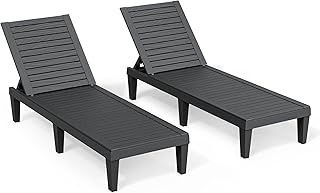
Wood-Grain HDPE Chaise Lounges (Striped Black, Set of 2)
These deliver the visual warmth of wood with none of the sealing, splintering, or seasonal maintenance, rated to 300 lbs with a five-position recline. The waterproof, all-weather resin makes them a sensible pick for covered porches that still catch blowing rain.
Vexwalx Aluminum Chaise Lounge with Armrests
The armrests are the differentiator here — they give your shoulders somewhere to release rather than letting the arms hang, which meaningfully reduces upper-back tension during longer sessions. The aluminum frame keeps the weight manageable, and the wheels make chasing shade effortless.
Frequently Asked Questions
Is napping outdoors on a lounger actually good for sleep?
A short outdoor nap of roughly 20 minutes, taken in the early afternoon, can restore alertness without cutting into nighttime sleep pressure. The added benefit is the daylight exposure itself, which reinforces your circadian signaling. Longer or later naps are where people start sabotaging their bedtime.
Do I need cushions for comfort?
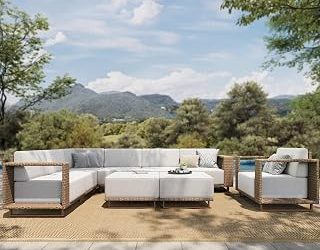
Not necessarily. A well-contoured HDPE or properly tensioned sling surface distributes pressure adequately for an hour of rest. Cushions win on plushness and cold-morning comfort but demand storage and dry-out time — the wicker sets with headrest cushions are the compromise pick if you want both.
What recline angle is best for relaxation?
Somewhere between 20 and 40 degrees from horizontal is ideal for reading or conversation, while fully flat is best for actual rest and spinal decompression. This is why a five-position mechanism beats a fixed-angle chair: you’ll use different stops for different purposes across a single afternoon.
How much maintenance do these require?
HDPE and resin models need little more than an occasional wipe with soap and water. Textilene slings rinse clean and air-dry quickly. Cushioned sets require the most attention — store them dry, and bring them in before extended wet spells.
Final Thoughts
If your priority is genuine outdoor rest, the Kozyard 3-Piece fully flat set is the clearest choice, thanks to its true horizontal recline and breathable sling surface. For durability with minimal upkeep, the THOEOE HDPE lounger is hard to beat, and the Vexwalx aluminum recliner earns its place for anyone who wants armrest support in a frame light enough to move on a whim.