
Key takeaways
- Wash new towels before first use, separately from lint-shedding items, as the maker advises.
- Use a moderate amount of detergent. Excess detergent and fabric softener can leave a coating that reduces absorbency.
- Follow the care label for water temperature and dryer settings.
- Do not store damp towels in a closed hamper. Dry them fully and hang them with space between.
- Occasionally launder with a cup of white vinegar or the maker’s recommended product if towels feel stiff.
A quality bath sheet is a long-staple cotton (often Turkish, Egyptian or Supima) towel in the mid-weight range, roughly 35 by 60 inches or larger, with tightly finished hems and a weight the maker lists in GSM; choose a plush, heavier sheet for a hotel feel, a mid-weight loop sheet for everyday use and a lighter weave if your laundry space or drying time is limited. Bath sheets are simply larger than standard bath towels, which makes them useful for taller people, for wrapping up after a shower and for anyone who likes full coverage. This guide explains what separates a good sheet from an average one and who each style suits.
Our top picks
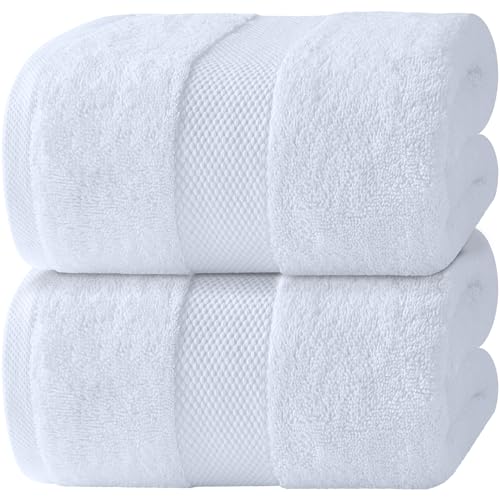

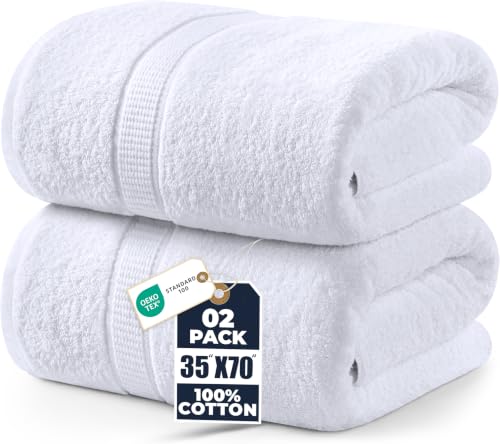
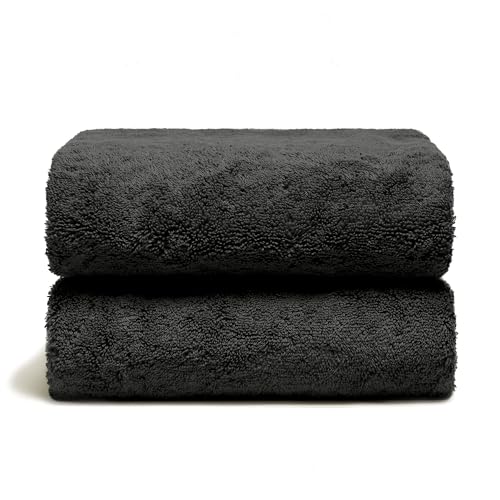
As an Amazon Associate we earn from qualifying purchases at no extra cost to you.
Bath Sheets at a Glance
| Type / example brand | Best for | Key stated traits | Limits |
|---|---|---|---|
| Long-staple plush cotton (Brooklinen Super-Plush type) | Hotel-style softness | Long-staple cotton, heavy loops, generous size as listed | Slower to dry, needs a good dryer cycle |
| Turkish cotton mid-weight (Parachute Classic type) | Everyday use in the family bathroom | Turkish cotton, balanced absorbency and drying time | Less plush than heavy options |
| Waffle or textured weave | Quick drying and small laundry loads | Honeycomb or waffle texture, lighter weight | Less dense feel |
| Ring-spun cotton basic (Utopia Towels type) | Budget households and gyms | Ring-spun cotton, moderate GSM | May shed lint early and feel scratchier at first |
| Premium hospitality sheet (Frontgate, Pottery Barn type) | Buyers wanting resort quality | Heavy GSM, reinforced hems | Higher cost; heavier to launder |
| Cotton-blend quick-dry sheet | Travel, pool or beach bag | Blends with fast-dry fibers, compact fold | Not as soft as pure cotton |
Lines are updated often. Use the names above as examples of each category and compare size, fiber and GSM on the maker’s own page.
What Makes a Bath Sheet “Quality”
Fiber length and type
Staple length, which is the length of the individual cotton fibers, influences softness and durability. Makers describe Turkish, Egyptian and Supima cotton as long-staple. Long fibers are spun into smoother yarns that tend to shed less lint and feel less rough over time. Ring-spun or combed cotton on a label signals that shorter fibers have been removed for a softer, stronger yarn.
GSM, or weight
GSM stands for grams per square meter. As a loose guide, budget towels may fall around 300 to 400 GSM, mid-weight sheets often sit around 500 to 600 and heavy luxury towels can exceed 650 to 700. A higher number means a heavier, plusher towel that absorbs more but takes longer to dry. A lower number suits a gym bag or humid bathroom. Not every maker lists GSM, so note the fiber and construction as well.
Construction
Terry loop weaves have the familiar looped pile. Zero-twist cotton uses untwisted yarn for a cloud-like feel, although the loops can snag more easily. Look for double-stitched hems and a dobby border that keeps edges from fraying. Reviewers regularly flag loose threads and poor hem work as the first signs of a weak towel.
Certification
Some makers cite OEKO-TEX Standard 100 or similar certifications to indicate that the fabric has been tested for certain substances. Treat these as the maker’s statement and read the certificate scope on the brand’s page. A certification does not guarantee a particular feel or lifespan.
Size: How Big Is a Bath Sheet?
A standard bath towel is often around 27 by 52 inches. Bath sheets typically range from about 33 by 63 to 40 by 70 inches, depending on the brand. Taller shoppers, anyone who wraps up fully after a shower and people with long hair often prefer the extra length. In a small bathroom, a very large sheet can be awkward on a standard hook, so measure your towel bar and hook space.
Absorbency, Drying and Linen Closet Space
Heavier sheets take more shelf space and a longer dry cycle. If your household runs towels through a standard dryer, check the maker’s care label for the highest heat setting that is safe. Mid-weight sheets balance absorbency and drying time and are usually the best choice for shared bathrooms. If your bathroom lacks a fan or window, consider a lighter weave to reduce the musty smell that damp towels can develop.
Care Instructions That Extend Towel Life
- Wash new towels before first use, separately from lint-shedding items, as the maker advises.
- Use a moderate amount of detergent. Excess detergent and fabric softener can leave a coating that reduces absorbency.
- Follow the care label for water temperature and dryer settings.
- Do not store damp towels in a closed hamper. Dry them fully and hang them with space between.
- Occasionally launder with a cup of white vinegar or the maker’s recommended product if towels feel stiff.
Budget Tiers
Budget
Ring-spun cotton at moderate weight. Good value for a guest bath or a household replacing worn towels, though the pile may feel thinner and the lint more noticeable in early washes.
Mid-range
Long-staple cotton, tidy hems and a balanced weight. Most households will find this tier the best match between feel and durability.
Premium
Heavier long-staple cotton, reinforced edges and more choice of color and size. It suits people who want a hotel feel and are willing to dry the sheet longer.
Pick X If You Want Y
| Pick this | If you… |
|---|---|
| Plush heavy long-staple sheet | want a spa feel and have a strong dryer |
| Mid-weight Turkish cotton sheet | need one dependable everyday towel |
| Waffle weave sheet | want quick drying and a lighter feel |
| Ring-spun basic sheet | are buying for a guest bath or a large family |
| Quick-dry blend | need something for travel, camping or the pool |
Alternatives to a Bath Sheet
- Oversized bath towel: A little smaller but easier to hang and dry.
- Hooded or wrap towel: Convenient for children and for hair drying.
- Bathrobe: Replaces the towel for people who want warmth after bathing.
Buying Checklist
- Confirm the fiber and any long-staple or certification claim on the maker’s page.
- Compare listed dimensions with your hooks and bar.
- Choose a weight that matches your dryer and bathroom ventilation.
- Read the care label for wash temperature and dryer limits.
- Buy at least two so you can rotate while one is in the wash.
How Reviewers Judge Bath Sheets
Independent reviewers typically compare bath sheets on four points: how soft the towel feels after repeated washing, how much water it absorbs from wet skin, how long it takes to dry on a hook and how well the hems and loops hold up. Reports from different outlets often disagree on which towel is softest, because softness is subjective, but they tend to agree on construction faults such as loose threads, curling edges and heavy early lint. When reading any review, look for comments about performance after several months rather than only on the day of unboxing.
Color, Fading and Finishing
Dark towels may transfer dye in the first washes, so launder them with similar colors. White towels show wear and staining sooner but can usually be washed hotter if the care label allows. Some sheets come with a decorative border or contrast hem, which adds style but may be a point of wear. If you want a set that matches the rest of your bathroom, buy extra pieces at the same time because dye lots can vary between orders.
Storing and Rotating Bath Sheets
Bath sheets are bulky, so fold them in thirds rather than quarters to save shelf height, or roll them for a spa look. Rotating two or three sheets per person spreads the wear and gives each a chance to dry fully. Keep the linen closet ventilated, and never store towels that are still damp. If your bathroom is humid, keep spare towels outside the room until needed.
Frequently Asked Questions
What is the difference between a bath towel and a bath sheet?
A bath sheet is larger, often by several inches in width and length. It wraps around the body more fully, which many people find more comfortable. The trade-off is more weight, longer drying time and more shelf space.
Is higher GSM always better?
No. Higher GSM means a heavier, plusher towel that takes longer to dry. A very heavy sheet can feel bulky for everyday use. Pick the weight that suits your laundry routine and bathroom.
Which cotton is best for bath sheets?
Long-staple cotton such as Turkish, Egyptian or Supima is generally associated with softer, more durable towels. Makers differ in quality, so the construction and hem finish matter as much as the name on the label. Read what the maker states about the fiber.
How often should I wash bath sheets?
Many people wash towels after three to four uses if the towel dries fully between uses. Wash sooner if it smells damp or is used after heavy sweating. Follow the care label on your towel.
Why do my new towels shed lint?
Loose fibers left from manufacturing come off in the first several washes. Wash new towels separately and clean the dryer’s lint trap often. Persistent heavy shedding after several washes may indicate shorter fibers.
How can I make towels absorbent again?
Reduce detergent, skip fabric softener and run a wash with a cup of white vinegar if the care label permits. Dry fully on the recommended setting. If towels remain stiff or smell musty, repeat the process or replace them.
