Key takeaways
- Budget: Muslin and basic solid cottons. They work well for practice quilts and utility quilts.
- Mid-range: Designer quilting cottons and wide-back cotton from well-known brands, which give color and print choices.
- Premium: Specialty wide-back lines, organic cotton and high-end designer prints, often with tighter weaves and better colorfastness.
For most quilts the best backing is a quality quilting-weight cotton, ideally sold as extra-wide fabric so you avoid a center seam, with flannel for a warmer throw and minky for a plush, cuddly finish. This guide compares the common backing choices, explains how to size and prepare backing, and gives a decision table so you can match fabric to quilt type, skill level and budget tier.
Our top picks


As an Amazon Associate we earn from qualifying purchases at no extra cost to you.
Backing Fabric Options at a Glance
| Fabric | Best for | Key traits | Limits |
|---|---|---|---|
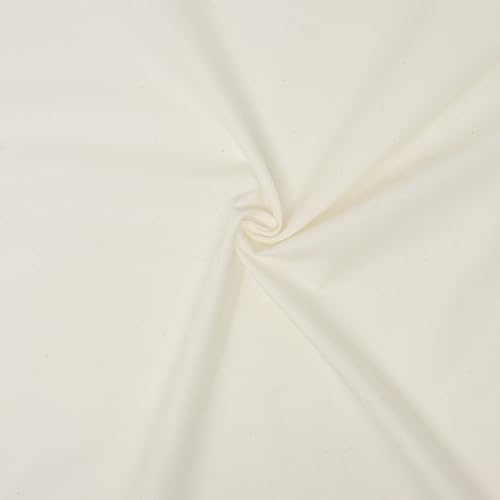
| Extra-wide quilting cotton (often sold around 108 inches wide) | Bed quilts and throws without a center seam | Makers list wide-width cotton in solids and prints; stable and easy to quilt through | Limited print range; a little thicker than standard cotton |
| Standard 44 to 45 inch quilting cotton | Smaller quilts and pieced backs | Wide choice of colors and prints from brands such as Moda, Riley Blake and Robert Kaufman | Needs seaming for larger quilts |
| Cotton flannel | Cozy throws and baby quilts | Soft, brushed surface; warm | Can shrink more and shed lint; stretch can shift |
| Minky or cuddle fabric | Plush baby and snuggle quilts | Very soft, textured polyester | Slippery and stretchy; harder to sew; not suited to hot sleepers |
| Muslin | Practice quilts and budget projects | Plain, inexpensive cotton | Basic look; may shrink and needs prewashing |
| Cotton or linen blend sheets | Wide backing in a pinch | Large single piece | Often a high thread count that is hard to needle through; may include finishes |
Fabric lines change season to season, so use the brand names as examples of what is typical and read each fabric’s label for fiber content, width and care instructions.
How to Choose Backing Fabric
Fiber content
Quilting cotton is the standard because it is stable, breathable and easy to needle. Cotton backing matches cotton tops, which means the quilt wears and shrinks more evenly. Blends and synthetics can be used, but they behave differently under the needle and in the wash.
Weight and weave
Choose a backing weight similar to the quilt top. A heavy fabric against a lightweight top can create tension and puckers. Very tight weaves, as found in some sheets, can make hand quilting difficult and cause needle deflection on a machine.
Width
Standard quilting cotton is about 44 to 45 inches wide, so quilts wider than that require seaming. Extra-wide backing, often sold at around 108 inches, lets you avoid a center seam for many quilts. Always confirm the usable width after removing selvages, which is typically a little narrower than the printed width.
Print and color
Busy prints hide quilting stitches and small mistakes. Solids show the texture of quilting but also expose uneven stitches. A tonal print or a subtle texture is forgiving. Choose a backing that coordinates with the thread you will use, since the bobbin thread shows on the back.
Prewashing
Many quilters prewash cotton backing to remove finishes and reduce shrinkage, while others prefer to skip it. Follow the label and decide based on how you will launder the finished quilt. If you mix fabrics, prewash all of them or none to avoid uneven shrinkage. Test dark or saturated colors for bleeding.
How Much Backing Do You Need?
Backing should be larger than the quilt top on every side, typically by several inches, to allow for movement during quilting. Many quilters add about four inches to each side, which gives extra room for longarm or domestic quilting. For a quilt top measuring a given width and length, add the margin to each dimension, then compare it to the usable width of your fabric to decide whether to seam.
If you must piece the backing, seam it with a half-inch seam allowance and press the seam open to reduce bulk. Placing the seam off-center can be more visually pleasing than running it down the middle. Wide fabric usually needs less yardage than seamed standard-width fabric for the same quilt, though the per-yard cost is typically higher, so compare totals at your budget tier.
Pieced and Scrappy Backs
A pieced back is a good way to use leftover blocks and extra fabric. Plan a design that is easy to sew, and avoid placing heavy seams where the quilting will be dense. Longarm quilters often ask for backs to be flat, square and sewn securely, so confirm their preparation guidelines before you begin.
Care and Safety Notes
Follow the fabric label for washing. Wash new quilts gently, using cool or warm water and mild detergent as the maker suggests, and dry on low or flat. Flannel and minky may need special care, and minky should not be dried on high heat. For baby quilts, follow safe sleep guidance from your pediatrician: soft bedding and quilts are not recommended in infant sleep spaces. Look for certifications the maker states, such as OEKO-TEX Standard 100, for children’s items, and note that these refer to textile content.
Budget Tiers
- Budget: Muslin and basic solid cottons. They work well for practice quilts and utility quilts.
- Mid-range: Designer quilting cottons and wide-back cotton from well-known brands, which give color and print choices.
- Premium: Specialty wide-back lines, organic cotton and high-end designer prints, often with tighter weaves and better colorfastness.
Pick X If… Decision Table
| Pick this | If you… |
|---|---|
| Extra-wide quilting cotton | are making a bed quilt and want to avoid a center seam |
| Standard quilting cotton | are making a throw or a pieced back and want a wide choice of prints |
| Cotton flannel | want a warm, soft back for a throw or baby quilt |
| Minky or cuddle fabric | want a plush back and are comfortable with slippery fabric |
| Muslin | are practicing or want a simple, inexpensive back |
| Solid or tonal cotton | want the quilting design to show |
| Busy print cotton | want to hide small stitch irregularities |
Alternatives
- Pieced back from leftovers: A budget-friendly and creative way to use scraps.
- Quilt-as-you-go backs: Sections are quilted and joined, which reduces the need for one large backing piece.
- Cotton sheets: A plain cotton sheet can be used, but many quilters find high thread counts hard to needle, and some sheets have finishes that behave differently in the wash.
Tips for Sewing With Different Backs
With flannel, use a walking foot and a slightly longer stitch to prevent shifting. With minky, use plenty of clips instead of pins, a walking foot and a larger needle, and avoid pulling the fabric. With wide-back cotton, take care when basting, because the larger fabric can shift on a table. Always press backing carefully, using steam settings suitable for the fiber, and check the iron’s temperature guidelines for synthetics.
Matching Backing to Batting and Thread
Backing does not work alone. The batting you choose affects how the backing behaves: cotton batting pairs naturally with cotton backing and gives a flat, traditional look that makers describe as easy to hand or machine quilt. Polyester batting is lighter and loftier, and with it a lightly woven backing can show small fibers working through, so choose a tighter weave if that bothers you. Wool batting is warm and breathable and works with cotton backing, though the maker’s label will state quilting distance limits.
Thread color matters on the back. A thread that blends with the backing hides imperfections, while a contrasting thread makes a graphic statement. Many quilters use the same thread in the needle and the bobbin for balanced tension, but a coordinating bobbin color is also common. Test on a scrap sandwich made from your actual top, batting and backing before starting the real quilt.
Also think about how the quilt will be used. A bed quilt that is washed often benefits from sturdy cotton and secure seams. A wall hanging can use lighter or more decorative fabric because it will rarely be laundered. A child quilt should be washable and sturdy, with fabrics that the maker labels as suitable for textiles used by children.
Frequently Asked Questions
Does the backing need to match the quilt top fabric?
No, but similar fiber content and weight generally work best. Mixing very different fabrics can cause uneven shrinkage and puckering. A cotton backing with a cotton top is the simplest combination.
How much larger should backing be than the quilt top?
Many quilters add about four inches on every side, and longarm quilters often request this margin. Extra room allows for shifting and squaring up after quilting.
Should I prewash backing fabric?
Preferences differ. Prewashing removes finishes and reduces shrinkage, but some quilters prefer the crisp feel of unwashed fabric. If you prewash the top fabrics, prewash the backing as well.
Can I use a bed sheet as backing?
You can, but sheets often have tight weaves that are harder to needle and may have finishes. If you try one, test a small sample with your needle and thread first.
Is minky a good backing?
It is soft and popular for baby and snuggle quilts, but it is stretchy and slippery. Use a walking foot, clips and patience. Follow safe sleep guidance for infants.
What is wide-back fabric?
It is fabric sold in widths around 108 inches that lets you back a quilt without seams. It is usually offered in a smaller range of prints than standard-width fabric.