Key takeaways
- Choose a flat, dry spot away from ant nests and sharp objects.
- Keep blankets away from open flames, grills and camping stoves, since synthetic fabrics can melt or ignite.
- Do not place hot dishes on synthetic material.
- Check for ticks after sitting on grass in tick regions.
- Keep food coolers closed and follow food safety guidance about time at warm temperatures.
- Shake out and dry the blanket before storing.
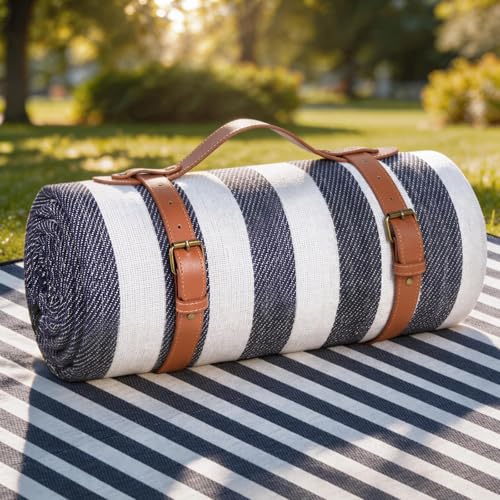
For most picnics, choose a blanket with a water-resistant backing and a compact fold, such as the Rumpl Stuffable Everywhere Blanket or the Matador Pocket Blanket for travel, or a larger quilted-style blanket with a waterproof underside for parks and lawns where you want space to spread out.
Our top picks



As an Amazon Associate we earn from qualifying purchases at no extra cost to you.
Picnic Blankets at a Glance
| Blanket | Best for | Stated features | Limits |
|---|---|---|---|
| Rumpl Stuffable Everywhere Blanket | Cool evenings, outdoor concerts, camping | Insulated, recycled-content shell as the maker states, packs into a stuff sack | Not fully waterproof; sized for two or three people |
| Matador Pocket Blanket | Hikes and travel | Ultralight, packs very small, water-resistant ripstop with stake loops per the maker | Small footprint; thin |
| Yeti Lowlands Blanket | Durable all-round use | Quilt-style top with a water-resistant underside, as the maker lists | Premium tier; bulkier |
| Coghlan’s Picnic Blanket | Budget family outings | Tote-style, folds with a handle and a waterproof backing in some versions | Heavier; fewer premium materials |
| Extra-large folding picnic mats | Large groups on lawns | Multi-panel designs with waterproof backing | Bulky to carry |
| Outdoor-rated fleece blankets | Cool weather lounging | Soft fleece top | Absorbs damp ground moisture |
Specifications are taken from what makers publish; sizes and materials can change by model year, so read the current product page for exact dimensions.
What to Look For
Backing
The underside is the main difference between a picnic blanket and a bed blanket. A water-resistant or waterproof backing helps against damp grass, but it will not stop soaking in a heavy downpour or standing water. Look for the maker’s description of the coating, such as polyester ripstop or a laminated layer.
Size
Two-person blankets often measure around four by five feet, while family-sized picnic blankets can run six by six feet or larger. Match the stated size to your group and remember that food baskets take space.
Weight and pack size
Backpackers care about grams and compressed size; car-based picnickers care more about comfort. Pocket-style blankets compress to a fist size, whereas tote-style blankets fold flat with a handle.
Top fabric
Cotton and fleece feel cosy but absorb spills and dry slowly. Polyester and nylon shed crumbs and dry quickly. Quilted tops add cushion for sitting.
Anchoring
Corner loops or pockets let you pin the blanket with stakes or fill the corners with sand or stones. This helps in wind.
Care
Follow the label. Many ripstop blankets are hand-wash or gentle machine wash and air dry. Insulated blankets usually need low heat. Shake out crumbs and store fully dry to avoid mildew.
Feature Comparison
| Type | Weight | Comfort | Weather use |
|---|---|---|---|
| Pocket ripstop | Very light | Basic | Dry ground, light moisture |
| Insulated puffy | Light to medium | Warm and cushioned | Cool evenings |
| Quilted with waterproof back | Medium to heavy | Best for lounging | Damp lawns |
| Tote-style family mat | Medium | Moderate | Grass and sand |
Pick X If…
| If you… | Pick |
|---|---|
| Hike to the picnic spot | Matador Pocket Blanket |
| Picnic at dusk or at concerts | Rumpl Stuffable Everywhere |
| Want a durable blanket for the car | Yeti Lowlands |
| Need a budget option for a family | Coghlan’s or similar tote-style mat |
| Picnic on sand | Light polyester mat with corner anchors |
| Host big groups | Extra-large folding mat |
Budget Tiers
| Tier | What to expect |
|---|---|
| Budget | Tote-style mats with basic waterproof backing |
| Mid-range | Quality ripstop and packable designs |
| Premium | Insulated, durable blankets with recycled materials and long warranties |
Use and Safety Tips
- Choose a flat, dry spot away from ant nests and sharp objects.
- Keep blankets away from open flames, grills and camping stoves, since synthetic fabrics can melt or ignite.
- Do not place hot dishes on synthetic material.
- Check for ticks after sitting on grass in tick regions.
- Keep food coolers closed and follow food safety guidance about time at warm temperatures.
- Shake out and dry the blanket before storing.
Everyday Alternatives
- Old bedspread with a tarp underneath: a low-cost combination for a garden.
- Folding camping stools or low chairs: if you prefer to sit up off the ground.
- Beach mats: sand-shedding designs for coast trips.
- Picnic tables: where parks provide them.
Cleaning Quick Guide
- Shake off crumbs and grass.
- Spot-clean stains with mild soap.
- Wash according to the label, usually gentle and cool.
- Air dry fully before folding.
- Store in a breathable bag rather than a sealed plastic one.
Choosing by Where You Picnic
City parks and lawns
Grass is often damp even on dry days, so a waterproof or water-resistant backing is more useful than a thick top layer. A medium to large mat that folds into a tote is easy on public transport. Pick a darker colour or pattern if you expect spills and grass stains.
Beaches
Sand clings to cotton and fleece but shakes off smooth polyester or nylon much more readily. Corner anchors matter because wind off the water lifts light blankets, and a lighter-coloured top stays cooler in the sun. Rinse and dry thoroughly afterwards to avoid salt and sand wearing the fabric.
Concerts and evening events
Insulated blankets are a better fit when the temperature drops after sunset. Check venue rules for blanket size, because some outdoor venues limit dimensions.
Hiking and travel
A pocket-sized ripstop blanket adds almost nothing to pack weight. Its thin material gives little cushioning, so pair it with a light pad if you want comfort on rocky ground. Keep it clear of fire pits and stoves.
Kids and pets
Choose washable, durable fabrics and a larger size so children can move around. Dog owners should look at materials that resist claws and are easy to wipe. Keep food wrappers and sharp items off the mat.
Packing Checklist
- Blanket or mat with waterproof backing
- Small towel or cloth for spills
- Cooler with ice packs for perishable food
- Reusable plates and a bag for rubbish
- Sun protection and bug repellent
- Light layer for cooler evenings
Quick Buying Checklist
- Match the size to your group, with extra room for food and bags.
- Confirm the backing is water-resistant or waterproof, per the maker.
- Choose a top fabric that matches the setting: smooth for sand, soft for lounging.
- Check the packed size and weight against how you will carry it.
- Look for corner loops or pockets if you picnic in windy places.
- Read the care label so you know whether it can go in the washer.
Durability
Ripstop nylon and polyester resist tears better than basic woven fabrics. Waterproof coatings can wear or crack over time, particularly if the blanket is folded wet or stored in a hot car. Wash and dry the blanket as the maker instructs, and avoid pulling it across rough concrete. Patches and repair tapes designed for outdoor gear can extend the life of a small tear.
Eco-minded options
Some brands use recycled polyester or nylon in their shells and fills and say so on their product pages. These are maker claims, so look for the stated percentage of recycled content and any named certifications, and weigh them against how long the blanket will last in your use.
Final Thoughts
Whichever option you lean toward, read the maker’s own product page for current sizes, materials and care instructions, compare it with a couple of independent reviews, and keep the return policy in mind. Small details such as dimensions, fill or fibre content and warranty terms often decide whether a product suits your home better than the headline feature. Start with your own priorities, whether comfort, durability, ease of cleaning or budget tier, and let those narrow the list. If two options seem equal, choose the one with the clearer care guidance and the more flexible return terms, because that lowers the risk of a poor fit.
It also helps to write down what you dislike about your current setup before shopping. Complaints such as overheating, sagging, noise, awkward size or difficult cleaning point directly to the feature to prioritise, and they keep marketing language from steering the decision.
Frequently Asked Questions
Are picnic blankets waterproof?
Many have a water-resistant or waterproof backing, but that varies by model. They handle damp grass better than standing water. Read the maker’s description.
What size picnic blanket do I need?
For two people, a blanket around four by five feet is common. Families should look at six by six feet or larger. Extra space helps if you bring food and a cooler.
How do I keep a blanket from blowing away?
Use corner stakes or loops if available, or weigh the corners with bags, shoes or stones. Pick a sheltered spot.
Can I machine wash a picnic blanket?
Some can, usually on a gentle cycle in cool water, but others are spot-clean only. Follow the care label. Air dry fully.
Is a puffy blanket good for picnics?
It suits cool evenings and concerts because it insulates. It is less suited to wet ground unless it has a water-resistant shell. Check the maker’s description.
What is best for a beach picnic?
A lightweight polyester or nylon mat sheds sand more easily than cotton. Look for corner anchors. Rinse and dry after use.