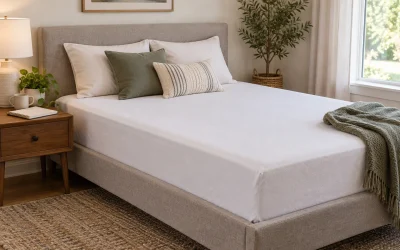
Key takeaways
- Decide protection vs. padding first: A waterproof protector is a thin hygienic barrier that changes nothing about feel; a quilted pad adds a soft top layer but usually offers little or no liquid defense. Households with children, pets, incontinence concerns, or dust-mite allergies should start with the barrier and add padding separately if desired.
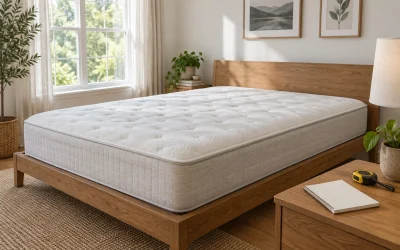
- Measure your mattress depth before pocket depth: King mattresses run 76″ x 80″, but height varies wildly once you add a topper or a pillow-top build. Measure from the base seam to the highest point, then choose a pocket rated at least two inches deeper — an overstretched skirt pops corners loose every time you turn over.
- Prioritize breathability over waterproof claims: Every membrane blocks liquid; the differentiator is whether vapor escapes. Look for thin-film polyurethane bonded to a viscose-from-bamboo or cotton-terry face rather than laminated vinyl, which sleeps noticeably warmer.
- Test for noise, not just softness: The rustle people hate comes from the membrane layer, not the fabric you touch. Quality covers use a stretch-knit backing that flexes silently with movement — worth checking within your first few nights while returns are still open.
- Check the laundering ceiling: Protectors need washing every one to two months, and heat is what destroys membranes. Favor covers rated for machine washing and low-heat or air drying, and skip fabric softener entirely — it clogs the pores that make breathable films work.
What's inside
A king mattress is a serious investment — often the single most expensive piece of furniture in a bedroom — and yet it spends its entire life absorbing what we’d rather not think about: roughly a third of a liter of perspiration per night, skin cells, spilled coffee, pet visits, and the occasional sick kid at 3 a.m. Warranties are quietly unforgiving about this. Most manufacturers will void coverage over a single visible stain, which means the barrier layer you skip today is the one that costs you a replacement mattress in year four. The trouble is that the cheap fix has a reputation problem: anyone who has slept on a crinkly vinyl sheet knows how quickly a protector can ruin the bed it’s meant to save.
The good news is that 2026’s fabrics have moved on considerably. Thin-film polyurethane membranes, viscose-from-bamboo face cloths, and better-engineered corner elastics mean you can now get genuine liquid protection without the plastic acoustics or the trapped-heat penalty. This guide separates the two categories buyers constantly conflate — waterproof protectors versus quilted pads that add cushioning — explains which one your situation actually calls for, and reviews the king-size options that hold up best over repeated wash cycles. Below are the current standouts, followed by a buying framework and answers to the questions that come up most often.
As an Amazon Associate we earn from qualifying purchases.




🛒 Best Price Today on Amazon
Prime members get fast, free shipping on everything above, plus member-only deals. New members get a 30-day free trial — cancel anytime.
How to Choose a King Mattress Cover (2026)
- Decide protection vs. padding first: A waterproof protector is a thin hygienic barrier that changes nothing about feel; a quilted pad adds a soft top layer but usually offers little or no liquid defense. Households with children, pets, incontinence concerns, or dust-mite allergies should start with the barrier and add padding separately if desired.
- Measure your mattress depth before pocket depth: King mattresses run 76″ x 80″, but height varies wildly once you add a topper or a pillow-top build. Measure from the base seam to the highest point, then choose a pocket rated at least two inches deeper — an overstretched skirt pops corners loose every time you turn over.
- Prioritize breathability over waterproof claims: Every membrane blocks liquid; the differentiator is whether vapor escapes. Look for thin-film polyurethane bonded to a viscose-from-bamboo or cotton-terry face rather than laminated vinyl, which sleeps noticeably warmer.
- Test for noise, not just softness: The rustle people hate comes from the membrane layer, not the fabric you touch. Quality covers use a stretch-knit backing that flexes silently with movement — worth checking within your first few nights while returns are still open.
- Check the laundering ceiling: Protectors need washing every one to two months, and heat is what destroys membranes. Favor covers rated for machine washing and low-heat or air drying, and skip fabric softener entirely — it clogs the pores that make breathable films work.
The Best King Mattress Covers of 2026, Reviewed
PlushDeluxe Bamboo Waterproof Mattress Protector
The most convincing all-rounder here: a viscose-from-bamboo face gives it a cool, almost sheet-like hand feel, while the membrane stays impressively quiet under movement. Deep pockets to 18″ make it a safe bet for pillow-top or topper-stacked king beds.
Utopia Bedding Quilted Fitted Mattress Pad
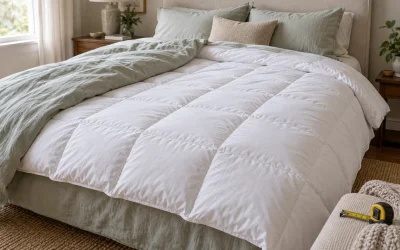
This is a comfort layer rather than a shield — the light quilting smooths over a firm or slightly uneven surface and gives an older mattress a fresher feel. Choose it when your priority is cushioning and you’re happy to run a separate waterproof layer beneath.
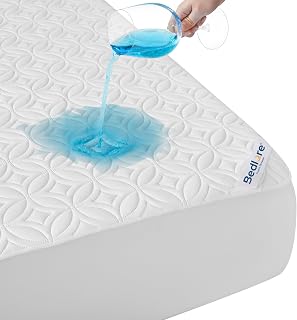
BEDLORE Waterproof Mattress Protector
A sensible budget pick with an unusually wide 6″–18″ pocket range, which makes it the flexible option for guest rooms where mattress heights differ. Protection is dependable and quiet; the surface is functional rather than luxurious.
SafeRest Sleepure Waterproof Mattress Protector
SafeRest has long been the brand allergists reference, and this version pairs its reliable barrier construction with a softer viscose-from-bamboo cotton face. The stretchable pockets grip well, so it’s a strong choice for allergy-driven purchases.
EASELAND Cotton Pillow Top Mattress Pad
The plushest option reviewed, with a boxed-quilt cotton top that adds real loft rather than a token layer, plus an 8″–21″ pocket that swallows even the tallest hybrid kings. Best for sleepers wanting to soften a too-firm mattress.
Frequently Asked Questions
Will a waterproof protector make me sleep hot?
A well-made one shouldn’t. Thin-film breathable membranes let water vapor pass while blocking liquid, so the difference is marginal. Older vinyl-backed covers are the culprits behind the reputation.
How often should I wash it?
Every four to eight weeks for typical use, and immediately after any spill or illness. Wash warm, dry low or line-dry, and avoid softeners and bleach, which degrade the waterproof layer.
Do I still need a fitted sheet?
Yes. A sheet takes the daily friction and washes easily, extending the protector’s life considerably. Layer protector first, sheet on top.
Can a cover help with dust-mite allergies?
A tightly woven encasement-style barrier meaningfully reduces allergen exposure by cutting mites off from skin flakes. Combine with weekly hot-water sheet washing for the best results.
Final Thoughts
For most king-bed owners, the PlushDeluxe Bamboo Protector is the easiest recommendation — quiet, cool, and deep-pocketed enough for almost any build. Allergy sufferers should look to the SafeRest Sleepure for its proven barrier construction, while anyone chasing extra softness rather than spill defense will get more satisfaction from the EASELAND Cotton Pillow Top Pad.