Key takeaways
- Noise floor at night: Anything above roughly 50 dB will register in a quiet open-plan kitchen adjoining a bedroom. Look for published figures in the low-to-mid 40s, and remember that the compressor cycling on is more disruptive than its steady hum — a machine with fewer, longer cycles beats one that stutters awake every few minutes.
- Genuine plumbing readiness: Not every model advertising a “hookup” ships with what you need. Check for an inlet hose of at least 10 feet and both 1/2″ and 1/4″ connectors, otherwise you’ll be making a second trip to the hardware store before you make any ice.
- Self-cleaning and standing water: Ice makers sit warm and damp, which is exactly what biofilm wants. A one-touch cleaning cycle matters far more than most buyers assume, and a design that fully drains between cycles matters even more.
- Ice format versus your habits: Bullet ice chills fast and is fine in a tumbler. Nugget or pebble ice is softer, chewable, and displaces less liquid. If you use ice mainly for evening drinks, consider that nugget ice dilutes faster — relevant if you’re watching fluid intake before bed.
- Storage bin honesty: Most countertop units hold around 4 lbs regardless of their daily output claim, and unrefrigerated bins mean ice slowly melts back into the reservoir. Judge a machine by its output per hour, not the headline 24-hour number.
What's inside
Anyone who has stood at the sink at 2 a.m., blearily refilling a plastic reservoir because the ice bin ran dry, understands the core frustration with countertop ice machines. As someone who spends their working life studying rest and the small environmental details that protect it, I’ll say plainly: manual-fill ice makers are a sleep hygiene liability. They demand attention at the exact hours your nervous system should be winding down, they gurgle and clatter when the tank runs low, and the bright light of a midnight kitchen trip is enough to nudge melatonin production off schedule. A unit that plumbs directly into your water line removes the human from the loop entirely.
This guide looks specifically at countertop ice makers that accept a direct water line connection — machines you hook up once and largely forget about. I’ve weighed the factors that actually matter for a household trying to sleep well: decibel output at night, cycle timing, self-cleaning behaviour, and how much counter real estate you sacrifice. Below you’ll find the standout models for 2026, followed by a buying framework and answers to the questions readers send me most often.
As an Amazon Associate we earn from qualifying purchases.



How to Choose a Countertop Ice Maker With Water Line Connection (2026)
- Noise floor at night: Anything above roughly 50 dB will register in a quiet open-plan kitchen adjoining a bedroom. Look for published figures in the low-to-mid 40s, and remember that the compressor cycling on is more disruptive than its steady hum — a machine with fewer, longer cycles beats one that stutters awake every few minutes.
- Genuine plumbing readiness: Not every model advertising a “hookup” ships with what you need. Check for an inlet hose of at least 10 feet and both 1/2″ and 1/4″ connectors, otherwise you’ll be making a second trip to the hardware store before you make any ice.
- Self-cleaning and standing water: Ice makers sit warm and damp, which is exactly what biofilm wants. A one-touch cleaning cycle matters far more than most buyers assume, and a design that fully drains between cycles matters even more.
- Ice format versus your habits: Bullet ice chills fast and is fine in a tumbler. Nugget or pebble ice is softer, chewable, and displaces less liquid. If you use ice mainly for evening drinks, consider that nugget ice dilutes faster — relevant if you’re watching fluid intake before bed.
- Storage bin honesty: Most countertop units hold around 4 lbs regardless of their daily output claim, and unrefrigerated bins mean ice slowly melts back into the reservoir. Judge a machine by its output per hour, not the headline 24-hour number.
The Best Countertop Ice Maker With Water Line Connection (2026)s Reviewed
Whynter IMC-491DC Direct Connection Ice Maker
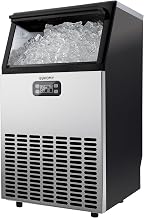
This is the model I recommend without qualification when budget allows: it was engineered around direct plumbing rather than having a hose port bolted onto a manual-fill design, and it shows in the quiet, odourless operation and genuinely energy-efficient duty cycle. The stainless housing and self-cleaning function make it the low-maintenance choice for a kitchen you’d rather not think about after dark.
3-in-1 Water Dispenser Ice Maker Combo (44 lb Daily)
A whisper-quiet 45 dB rating and a 10-foot hose make this the strongest all-in-one pick, combining hot water, cold water, and a serious 44 lb daily ice output in a single stainless footprint. The 300W draw is higher than a dedicated ice maker, which is the honest trade for the hot-water tank.
3-in-1 Countertop Ice Maker With Manual or Line Fill
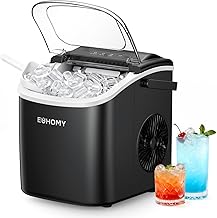
The dual-fill flexibility here is genuinely useful for renters or anyone who wants to trial the machine before committing to plumbing, and at 160W it’s noticeably gentler on the meter than comparable combos. Both 1/2″ and 1/4″ connectors are included, which spares you the guesswork.
VEVOR 3-in-1 Water Dispenser With Ice Maker
Twelve cubes in seven minutes and a choice of bullet or crushed ice make this the practical option for entertaining, where sustained output matters more than a whisper-quiet compressor. At 35 lbs per day it sits mid-pack, but the value proposition is difficult to argue with.
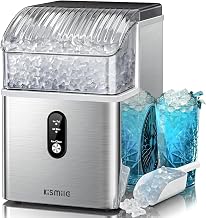
Kismile Nugget Ice Maker Countertop
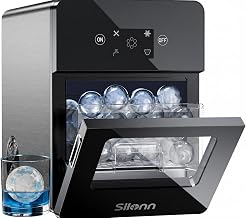
At 43 dB this is the quietest unit here, and the soft pebble ice is a real quality-of-life upgrade if you drink water throughout the evening. First ice arrives in seven minutes and the one-touch self-cleaning cycle keeps upkeep to a genuine minimum.
Frequently Asked Questions
Will a plumbed ice maker keep me awake?
A well-chosen one shouldn’t. Machines in the 43–45 dB range sit roughly at the level of a quiet library, below the 40–55 dB threshold where sleep researchers begin to see measurable arousals. Place the unit on a solid surface rather than a hollow cabinet to avoid amplifying compressor vibration.
Do I need a plumber to install one?
Rarely. Most units tee off an existing cold water line under the sink or behind the refrigerator using the supplied connectors. If your only accessible line is on a hot supply or you have no shut-off valve, that’s when to call someone.
Should I add a filter?
Yes, if your tap water is heavily chlorinated or hard. An inline filter improves taste noticeably and reduces the scale buildup that shortens a machine’s life and forces more frequent descaling.
How often should I run the cleaning cycle?
Every two to four weeks under normal household use, more often in humid climates. Self-cleaning cycles flush the system but don’t scrub the bin — wipe that down by hand at the same time.
Final Thoughts
If you want one recommendation and no further deliberation, the Whynter IMC-491DC is the purpose-built direct-connection machine and the one most likely to disappear quietly into your routine. Choose the 44 lb 3-in-1 combo if you want hot and cold dispensing alongside your ice, or the Kismile nugget maker if near-silent operation and soft, chewable ice are what matter most in your kitchen after dark.