Key takeaways
- Frame metal: Powder-coated aluminum is the default for a reason — it won’t rust, it stays cooler to the touch than steel, and it survives coastal humidity. Look at post thickness and wall gauge rather than trusting the phrase “heavy duty.”
- Roof material: Polycarbonate hardtops block UV while letting daylight through and shed rain quietly enough for a nap. Solid aluminum panels are darker and cooler; fabric canopies breathe best but need seasonal removal in snow country.
- Shade adjustability: Fixed roofs give you one answer to every weather condition. Retractable canopies, sliding shades, and adjustable louvers let you dial in morning brightness and afternoon dimness — genuinely useful if you’re using the space to rest.
- Water management: Ask where the runoff goes. Integrated gutters and post-channel drainage keep your seating dry and stop the puddle-under-the-lounger problem that ruins otherwise good designs.
- Fabric quality: Yarn-dyed and textilene fabrics hold color and resist mildew far longer than surface-printed polyester. If a canopy is going to sit above your head for five summers, spend the extra here.
What's inside
Most people shop for a pergola thinking about aesthetics, then discover the real problem three weeks later: the structure they chose either bakes them at 2 p.m. or drips on them at dusk. As someone who spends most of my working life talking to people about rest — daytime naps, evening wind-down routines, the surprisingly large role that light and temperature play in how well we sleep at night — I see a shaded outdoor room as a piece of sleep-hygiene equipment, not just landscaping. Afternoon light exposure under filtered shade helps anchor your circadian rhythm without the heat stress that leaves you wired and dehydrated by bedtime. A pergola that fails at shade or drainage simply doesn’t get used, and an unused outdoor space contributes nothing to your recovery.
The material you choose drives almost everything that matters here: how much radiant heat reaches you, whether the roof rattles you awake during a light rain, how much maintenance you’ll tolerate before the whole thing becomes a chore. This guide breaks down the practical differences between powder-coated aluminum, polycarbonate hardtops, yarn-dyed fabric canopies, textilene shade panels, adjustable louvers, and timber-and-bracket builds — then reviews the specific kits worth your money in 2026, from wall-mounted lean-tos for tight patios to full louvered systems with integrated drainage.
As an Amazon Associate we earn from qualifying purchases.


How to Choose the Best Materials for a Pergola (2026)
- Frame metal: Powder-coated aluminum is the default for a reason — it won’t rust, it stays cooler to the touch than steel, and it survives coastal humidity. Look at post thickness and wall gauge rather than trusting the phrase “heavy duty.”
- Roof material: Polycarbonate hardtops block UV while letting daylight through and shed rain quietly enough for a nap. Solid aluminum panels are darker and cooler; fabric canopies breathe best but need seasonal removal in snow country.
- Shade adjustability: Fixed roofs give you one answer to every weather condition. Retractable canopies, sliding shades, and adjustable louvers let you dial in morning brightness and afternoon dimness — genuinely useful if you’re using the space to rest.
- Water management: Ask where the runoff goes. Integrated gutters and post-channel drainage keep your seating dry and stop the puddle-under-the-lounger problem that ruins otherwise good designs.
- Fabric quality: Yarn-dyed and textilene fabrics hold color and resist mildew far longer than surface-printed polyester. If a canopy is going to sit above your head for five summers, spend the extra here.
The Best Materials for Pergola (2026) Reviewed
PURPLE LEAF Louvered Pergola 10′ x 20′
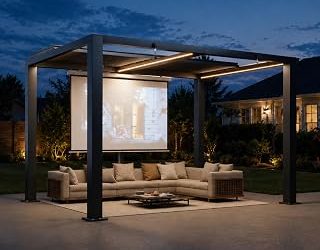
The independently adjustable louvers are the standout feature: you can shade a lounge chair fully while leaving a dining end bright, then close everything when weather turns. Add the built-in drainage system and this is the most genuinely versatile material combination on the list — and the one I’d choose for anyone planning to nap outdoors.
Modern Shade Outdoor Pergola 10×20 with Adjustable Textilene Shade
A smart hybrid: a hardtop roof for reliable rain protection paired with adjustable textilene panels that soften harsh side light. The privacy curtains matter more than they sound — visual enclosure is a large part of why some outdoor spaces feel restful and others feel exposed.
PURPLE LEAF Outdoor Pergola 10′ X 10′ Retractable Canopy
Thick aluminum posts with a yarn-dyed sliding canopy give you real control over how much sun reaches the space, plus breathability that no solid roof can match on still, humid evenings. The best pick for smaller patios where a permanent hardtop would feel heavy.
10′ x 20′ Lean-to Hardtop Gazebo Pergola
Wall-mounted construction with an aluminum frame and polycarbonate panels makes this the efficient choice when you’re covering a narrow strip against the house. Filtered daylight through the panels keeps the space from feeling like a tunnel, and there’s no freestanding footprint to work around.
AECOJOY 8′ x 5′ Grill Gazebo Lean-to Hardtop
Compact, wall-mounted, and built around a hardtop roof — designed for a grill station but equally good over a small bistro set or deck entry. A sensible entry point if you want to test how much you’ll actually use covered outdoor space before committing to a larger structure.
Frequently Asked Questions
Does a polycarbonate roof get hot underneath?
Less than you’d expect. Quality polycarbonate blocks the large majority of UV and reflects much of the infrared load, so the air beneath stays noticeably cooler than under an uncovered patio — though airflow around the perimeter matters just as much as the panel itself.
Is aluminum or wood better for a pergola?
Aluminum wins on longevity and maintenance; wood wins on warmth and cost flexibility. If you like the look of timber, a bracket kit designed for 4×4 lumber lets you build with cedar or pressure-treated stock while keeping the joinery structurally sound.
Can I nap under a pergola comfortably?
Yes, and it’s an underrated way to take a restorative daytime rest — dim, ventilated, ambient-noise-rich conditions suit short naps well. Keep naps to 20–30 minutes and finish before mid-afternoon so you don’t erode your nighttime sleep pressure.
Do fabric canopies need to come down in winter?
In snow-load regions, yes. Retractable and sliding canopies are designed for easy removal; leaving fabric tensioned under snow risks both the material and the frame.
Final Thoughts
If you want one structure that adapts to every hour of the day, the PURPLE LEAF Louvered Pergola with its drainage system is the strongest material package here. For smaller patios, the PURPLE LEAF 10′ x 10′ retractable canopy delivers breathable, adjustable shade without visual bulk, while the Modern Shade 10×20 hybrid is the best compromise between hardtop reliability and the softer, filtered light that makes an outdoor room somewhere you’ll actually rest.