Key takeaways
- Match loft to sleep position: Back and stomach sleepers generally do well on 3–4 inches, where the hips stay level with the spine. Side sleepers carry more concentrated pressure at the shoulder and hip and usually want 5–6 inches, or a traditional shikibuton doubled with a thin topper.
- Understand the fill: Cotton-batting shikibutons breathe beautifully and feel firm and grounding, but they compress over time and need regular sun-airing. High-density foam holds its shape far longer and needs almost no maintenance, though it traps more heat. Layered hybrids split the difference.
- Test the fold, not the claim: Anything above 4 inches of solid foam resists folding, so daily stowing becomes a chore rather than a ritual. If you’ll pack it away every morning, prioritize tri-fold designs with sewn channels; if it stays down full-time, thickness wins.
- Plan for moisture: Body vapor has nowhere to go when a mattress sits flat on wood, tile, or laminate. Lift the futon weekly, use a tatami mat or slatted platform, and choose a removable, washable cover — this single habit prevents the mildew complaints that plague floor sleeping.
- Check the true footprint: Floor mattress sizing runs loose. A “queen” here may measure 60 x 80 inches exactly, with no give, so fitted sheets designed for a 10-inch profile will billow. Measure your room and buy sheets rated for low-profile mattresses.
What's inside
Sleeping close to the floor has a long history in Japan, but most shoppers outside of it run into the same wall: the word “futon” gets applied to everything from a 2-inch camping roll to a convertible sofa bed. The result is a lot of disappointment. Someone buys a thin shikibuton expecting hotel-plush cushioning, or buys a 6-inch foam slab expecting to fold it into a closet each morning. Neither product is bad — they were simply built for different sleepers, different floors, and different daily routines.
This guide sorts the current crop of Japanese floor mattresses by what actually matters to your spine and your schedule: loft, internal construction, firmness, and how honestly the thing folds. I’ve grouped picks for side sleepers who need pressure relief at the shoulder and hip, back sleepers who do better on a firmer deck, guest-room hosts who need storage, and small-space dwellers using the floor as a full-time bed. Below are the models worth your money in 2026.
As an Amazon Associate we earn from qualifying purchases.


🛒 Best Price Today on Amazon
Prime members get fast, free shipping on everything above, plus member-only deals. New members get a 30-day free trial — cancel anytime.
How to Choose a Japanese Futon Mattress (2026)
- Match loft to sleep position: Back and stomach sleepers generally do well on 3–4 inches, where the hips stay level with the spine. Side sleepers carry more concentrated pressure at the shoulder and hip and usually want 5–6 inches, or a traditional shikibuton doubled with a thin topper.
- Understand the fill: Cotton-batting shikibutons breathe beautifully and feel firm and grounding, but they compress over time and need regular sun-airing. High-density foam holds its shape far longer and needs almost no maintenance, though it traps more heat. Layered hybrids split the difference.
- Test the fold, not the claim: Anything above 4 inches of solid foam resists folding, so daily stowing becomes a chore rather than a ritual. If you’ll pack it away every morning, prioritize tri-fold designs with sewn channels; if it stays down full-time, thickness wins.
- Plan for moisture: Body vapor has nowhere to go when a mattress sits flat on wood, tile, or laminate. Lift the futon weekly, use a tatami mat or slatted platform, and choose a removable, washable cover — this single habit prevents the mildew complaints that plague floor sleeping.
- Check the true footprint: Floor mattress sizing runs loose. A “queen” here may measure 60 x 80 inches exactly, with no give, so fitted sheets designed for a 10-inch profile will billow. Measure your room and buy sheets rated for low-profile mattresses.
The Best Japanese Futon Mattresses of 2026, Reviewed
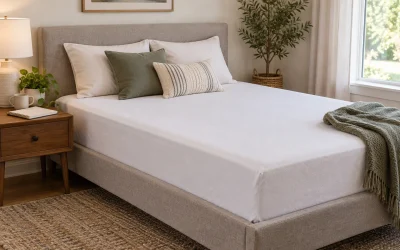
6th Generation 9-Layer Japanese Floor Futon, Queen
The nine-layer stack is the most convincing attempt yet at giving floor sleepers real cushioning without a bed frame, and it holds up as a genuine full-time mattress for adults rather than an overflow option. Expect a medium feel with noticeable shoulder relief — just accept that at this loft, folding it away daily isn’t realistic.
FULI Japanese Futon, Full XL, White
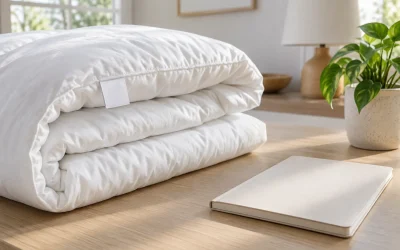
This is the authentic article: quilted cotton, medium-firm, breathable, and made to be rolled up and aired the way shikibutons have been for generations. Choose it if you want traditional support and temperature regulation, and be prepared for the honest firmness that first-time floor sleepers need a week or two to adapt to.
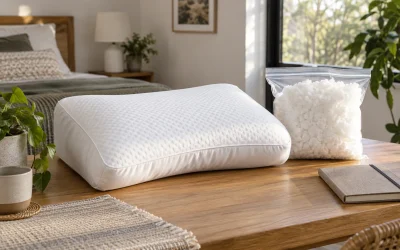
MAXYOYO 6″ Extra Thick Japanese Floor Mattress, Queen
Six inches is the sweet spot for heavier sleepers and dedicated side sleepers who found thinner mats punishing at the hip. It still folds, though with effort, making it the best pick for anyone who wants near-bed comfort with the option of reclaiming the room occasionally.
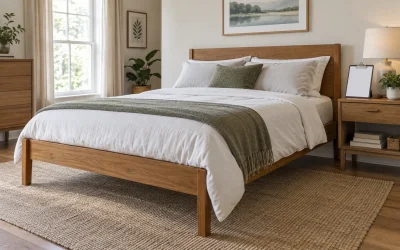
jzbearapt Premium Foam Japanese Floor Mattress, Queen
A straightforward high-density foam build that prioritizes consistent support over layering gimmicks, with less initial softening than cheaper foams. It suits back sleepers and anyone who wants a stable, level surface that won’t develop a hip well within the first year.
MAXYOYO 4″ Foldable Futon Mattress, Queen
The most practical everyday-fold option in this lineup: substantial enough for comfortable adult sleep, thin enough that rolling and storing it stays a ten-second job. It’s my default recommendation for dorm rooms, studios, and guest setups that need to disappear.
Frequently Asked Questions
Is sleeping on a Japanese futon good for your back?
For many people, yes — a firm, level surface discourages the sagging that aggravates lower-back pain. But firmness isn’t universally therapeutic. Side sleepers and those with hip, shoulder, or joint conditions often need more contouring than a thin shikibuton provides.
Do I need a tatami mat underneath?
It isn’t mandatory, but it helps considerably. Tatami or a slatted base creates an air gap that lets moisture escape and adds a little give underfoot. Without one, commit to lifting and airing the futon at least weekly.
How long will a Japanese floor mattress last?
Cotton shikibutons typically give three to five years with regular airing and occasional refluffing. Quality high-density foam models often run five to seven, though any foam mattress used flat on the floor without ventilation will degrade faster.
Can two adults share a queen floor mattress comfortably?
Yes, provided you choose adequate loft. At 4 inches or less, combined weight tends to compress the foam toward the center. For couples, the 6-inch and multi-layer builds are the safer investment.
Final Thoughts
If the floor is your permanent bed, the 6th Generation 9-Layer futon offers the most complete support for the money. Traditionalists who value breathability and a genuine shikibuton feel should go with the FULI, while anyone balancing comfort against daily storage will get the most practical use out of the MAXYOYO 4-inch foldable.