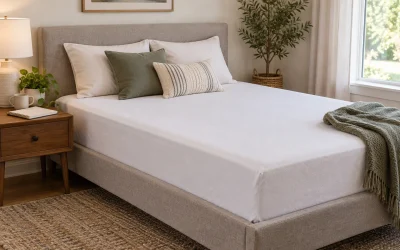
Key takeaways
- Aim for medium, not plush: Side sleepers do best around 5–6.5 on the ten-point firmness scale. You want a comfort layer deep enough to let the shoulder drop an inch or two, sitting on a support core firm enough that the pelvis stays in line with the ribcage.
- Look for zoning at the shoulder and hip: Five-zone or three-zone coil layouts use softer springs under the upper body and firmer ones beneath the lumbar region. This is the single most effective feature for side sleepers, and it’s the reason two mattresses with identical firmness ratings can feel completely different.
- Check total height against your body weight: A 14-inch profile gives lighter and average-weight sleepers generous contouring room. Sleepers above roughly 230 pounds should prioritize heavy-duty coil gauge and a reinforced Euro top over height alone, since thin comfort layers bottom out fast under concentrated hip pressure.
- Take certifications literally: CertiPUR-US covers foam emissions; GOTS and GOLS cover organic cotton, wool, and latex respectively. If chemical sensitivity or off-gassing matters to you, look for the specific certification that matches the material you care about — and confirm the bed is fiberglass-free.
- Treat the trial period as part of the product: Your hips and shoulders need three to four weeks to adapt to a new support profile. A 365-night trial is genuinely useful; a 30-day window rarely is.
What's inside
Side sleeping is the most popular position in the world, and also the most demanding on a mattress. When you lie on your side, roughly a third of your body weight concentrates on two narrow zones — the shoulder and the hip — while your waist and lower back need the surface to rise up and meet them. Get that balance wrong and you wake with a numb arm, an aching hip, or the dull lumbar soreness that comes from a spine that spent eight hours bent into a shallow C. Most shoppers respond by chasing softness, then discover that a too-soft bed lets the pelvis sink and twist, trading one problem for another.
Latex hybrids solve this differently. Natural or synthetic latex responds instantly instead of slowly conforming like memory foam, so it cradles the shoulder without swallowing it, and pocketed coils underneath keep the hips level and the mattress breathable. In practice, “latex hybrid” covers a wide range in 2026 — from fully certified organic builds to latex-adjacent hybrids that pair responsive comfort layers with zoned springs. Below I’ve assessed the models side sleepers are actually buying this year, with notes on shoulder relief, pressure mapping, edge stability, and heat, plus a buying framework you can apply to any bed you’re considering.
As an Amazon Associate we earn from qualifying purchases.


🛒 Best Price Today on Amazon
Prime members get fast, free shipping on everything above, plus member-only deals. New members get a 30-day free trial — cancel anytime.
How to Choose a Latex Hybrid Mattress For Side Sleepers (2026)
- Aim for medium, not plush: Side sleepers do best around 5–6.5 on the ten-point firmness scale. You want a comfort layer deep enough to let the shoulder drop an inch or two, sitting on a support core firm enough that the pelvis stays in line with the ribcage.
- Look for zoning at the shoulder and hip: Five-zone or three-zone coil layouts use softer springs under the upper body and firmer ones beneath the lumbar region. This is the single most effective feature for side sleepers, and it’s the reason two mattresses with identical firmness ratings can feel completely different.
- Check total height against your body weight: A 14-inch profile gives lighter and average-weight sleepers generous contouring room. Sleepers above roughly 230 pounds should prioritize heavy-duty coil gauge and a reinforced Euro top over height alone, since thin comfort layers bottom out fast under concentrated hip pressure.
- Take certifications literally: CertiPUR-US covers foam emissions; GOTS and GOLS cover organic cotton, wool, and latex respectively. If chemical sensitivity or off-gassing matters to you, look for the specific certification that matches the material you care about — and confirm the bed is fiberglass-free.
- Treat the trial period as part of the product: Your hips and shoulders need three to four weeks to adapt to a new support profile. A 365-night trial is genuinely useful; a 30-day window rarely is.
The Best Latex Hybrid Mattresses For Side Sleepers (2026), Reviewed
Sleepmax 14-Inch Queen Hybrid
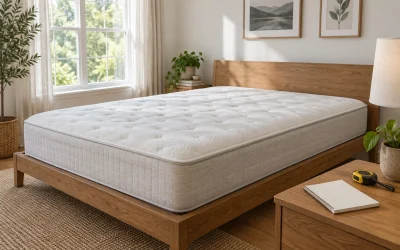
A well-judged all-rounder: the 14-inch build gives side sleepers enough comfort depth for the shoulder to sink in without losing coil support at the hips, and the cooling cover keeps surface heat from pooling where you’re most compressed. The 365-night trial and fiberglass-free construction make it a low-risk entry point.
Luxury Hotel Cooling Hybrid, 14-Inch Queen
The zoned pocket spring layout here targets exactly the areas side sleepers struggle with — extra reinforcement through the hip, shoulder, and lumbar bands — which keeps the spine straighter than a uniform coil unit can manage. Expect a hotel-style feel: supportive, slightly buoyant, and quick to release pressure when you roll over.
Coolvie Hybrid Latex King, 14-Inch
My pick for heavier side sleepers and couples. The five-zone heavy-duty spring system and Euro top resist the hip-sinkage that undermines lighter builds, while the latex-and-gel comfort layers deliver strong motion isolation without the stuck-in-place sensation of dense memory foam.
Ethical Mattress CO 10-Inch Organic Hybrid
The most authentic latex hybrid on this list: organic cotton, wool, natural latex, and pocketed coils, made in the USA and free of petrochemical foams. At 10 inches it runs firmer and less contouring than the taller options, so it suits lighter-to-average side sleepers who want responsive support and clean materials above all.
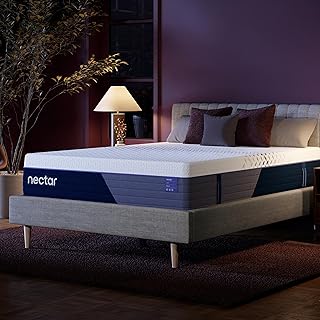
Nectar Luxe 14″ Hybrid King
The most refined feel of the group, with a plush-but-controlled medium-firm surface that handles combination sleepers who start on their side and finish on their back. The full year-long trial and established support network add meaningful peace of mind at this price tier.
Frequently Asked Questions
Is latex too firm for side sleepers?
Not inherently. Latex feels firmer than memory foam at first touch because it pushes back immediately, but a properly zoned latex hybrid still allows the shoulder to descend — it just does so without the slow, enveloping sink. Many side sleepers prefer this because rolling over takes less effort.
Does a latex hybrid sleep cooler than an all-foam mattress?
Generally yes. Latex has an open cell structure, and the coil layer beneath creates an air channel that carries body heat away. Side sleepers benefit twice over, since less surface contact means less trapped warmth than lying flat on your back.
How firm should my mattress be if I have shoulder or hip pain?
Start with medium and prioritize zoning over softness. Persistent shoulder pain usually indicates too little comfort depth; hip and lower-back pain more often signals a support core that’s letting the pelvis drop. A zoned bed addresses both simultaneously.
Do I need a new foundation?
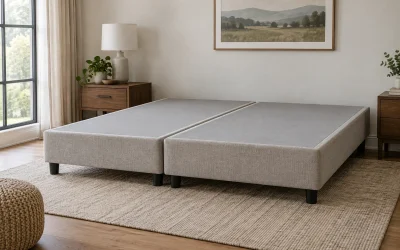
Hybrids are heavy and need even support. A platform bed with slats no more than three inches apart, or a solid foundation, will do. Traditional box springs flex too much and can void warranty coverage.
Final Thoughts
For most side sleepers, the Sleepmax 14-Inch Hybrid is the smartest starting point — balanced firmness, real cooling, and a full year to decide. Heavier sleepers and couples should step up to the Coolvie Hybrid Latex King for its five-zone heavy-duty springs, while anyone prioritizing genuine natural materials will be best served by the Ethical Mattress CO organic hybrid. Whichever you choose, give your body a month before judging it.