Key takeaways
- Comfort layer depth: Aim for at least three inches of soft foam above the support core, which is why 13- and 14-inch builds generally serve side sleepers better than 10-inch ones. Thin comfort layers let your shoulder bottom out onto firmer material below.
- Feel over firmness numbers: Most side sleepers land best in the medium to medium-soft range. Treat manufacturer labels as approximations and weight yourself into the equation: under roughly 130 lb, go softer than advertised; over 230 lb, go firmer.
- Hybrid versus all-foam: Pocketed coils give independent point support and better edge stability, useful if you sleep with a partner or sit on the perimeter. All-foam beds contour more uniformly and isolate motion almost completely, but sleep warmer.
- Heat pathways: Look for gel or graphite infusions, copper, breathable knit covers, or open coil layers. Because side sleepers sink deeper, more of your body is enclosed by foam, so passive airflow matters more than it does for back sleepers.
- Trial length and certification: Your hips need three to four weeks to adapt to a new surface, so a trial of 100 nights minimum — ideally 365 — is genuinely useful, not marketing garnish. CertiPUR-US certification and a fiberglass-free build are baseline expectations now, not premium features.
What's inside
Side sleeping is the most popular position in the world, and also the most demanding on a mattress. When you lie on your side, roughly a third of your body weight concentrates into two narrow zones — the shoulder and the hip — while your waist and knees barely make contact at all. A surface that can’t dip beneath those pressure points forces your spine into a subtle lateral curve, and the result is the tingling arm, the aching hip, or the stiff lower back that greets you at 3 a.m. Firmness alone doesn’t fix it; what matters is how quickly and how deeply a mattress yields exactly where you’re heaviest, then pushes back everywhere else.
This guide looks at the online, ship-in-a-box mattresses most worth a side sleeper’s attention in 2026, drawing on what actually predicts comfort in this position: comfort-layer depth, contouring foam response, zoned coil support, and heat management (soft foams trap warmth, and side sleepers sink further into them). Below you’ll find a short buying framework, honest notes on each model, and answers to the questions that come up most often once the box is unrolled on the bedroom floor.
As an Amazon Associate we earn from qualifying purchases.


🛒 Best Price Today on Amazon
Prime members get fast, free shipping on everything above, plus member-only deals. New members get a 30-day free trial — cancel anytime.
How to Choose an Online Mattress For Side Sleepers (2026)
- Comfort layer depth: Aim for at least three inches of soft foam above the support core, which is why 13- and 14-inch builds generally serve side sleepers better than 10-inch ones. Thin comfort layers let your shoulder bottom out onto firmer material below.
- Feel over firmness numbers: Most side sleepers land best in the medium to medium-soft range. Treat manufacturer labels as approximations and weight yourself into the equation: under roughly 130 lb, go softer than advertised; over 230 lb, go firmer.
- Hybrid versus all-foam: Pocketed coils give independent point support and better edge stability, useful if you sleep with a partner or sit on the perimeter. All-foam beds contour more uniformly and isolate motion almost completely, but sleep warmer.
- Heat pathways: Look for gel or graphite infusions, copper, breathable knit covers, or open coil layers. Because side sleepers sink deeper, more of your body is enclosed by foam, so passive airflow matters more than it does for back sleepers.
- Trial length and certification: Your hips need three to four weeks to adapt to a new surface, so a trial of 100 nights minimum — ideally 365 — is genuinely useful, not marketing garnish. CertiPUR-US certification and a fiberglass-free build are baseline expectations now, not premium features.
The Best Online Mattress For Side Sleepers (2026)s Reviewed
Soft Plush Queen Hybrid 14″
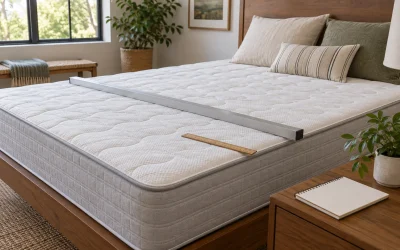
This is the most single-mindedly side-sleeper-focused option here: a genuinely plush surface over pocketed springs, so shoulders and hips settle in while the coils keep the lumbar region from collapsing. The 365-night trial is welcome insurance, because a soft plush feel is the one profile that occasionally proves too generous for heavier sleepers.
Sleepmax 14″ Hybrid
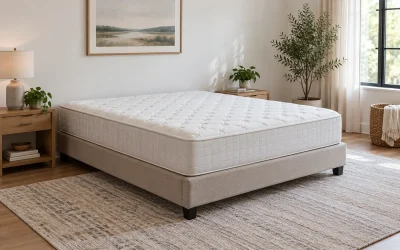
A well-judged middle path — enough contouring depth for side sleeping without the sink-in sensation that makes some plush beds hard to turn over in. The cooling treatment and fiberglass-free construction make it an easy recommendation for anyone buying their first bed-in-a-box sight unseen.
Nectar Premier 13″ Memory Foam
Classic slow-response memory foam, executed with more comfort-layer depth than the brand’s entry model, which is precisely what side sleepers need. Expect close, cradling contour and near-total motion isolation; it’s the pick if a restless partner disturbs you more than warmth does.
EGOHOME 14″ Copper Gel Memory Foam
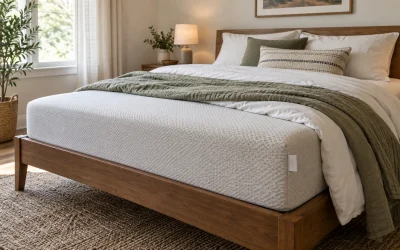
The copper-infused foam and graphene-based cover address memory foam’s traditional weakness — heat retention — while keeping the deep, pressure-diffusing feel intact. Its medium-firm calibration suits side sleepers with lower-back sensitivity or those above average weight who need more pushback under the hip.
Sweetnight CoolNest 14″ King
The five-zone support layout is the standout feature: softer under the shoulder, firmer beneath the hips and lumbar, which is exactly how a mattress should respond to side-sleeping anatomy. In king size it’s a strong choice for couples who both sleep on their sides and want a cool, medium feel.
Frequently Asked Questions
How firm should a mattress be for side sleepers?
Medium to medium-soft suits most people, roughly 4 to 6 on a 10-point scale. The exception is heavier sleepers, who often need a medium-firm surface simply to avoid sinking past the point where the spine stays aligned.
Are hybrids or memory foam mattresses better for side sleeping?
Both work well. Choose a hybrid if you want easier repositioning, cooler sleep, and a supportive edge; choose memory foam if you prioritise deep pressure relief and silence from a moving partner.
Will a new mattress stop my shoulder and hip pain?
Frequently, yes — provided the pain stems from poor pressure distribution rather than an underlying joint issue. Give it three to four weeks before judging, and pair it with a pillow tall enough to keep your head level with your spine.
How long does a bed-in-a-box take to expand?
Most reach usable shape within a few hours and full loft in 24 to 72 hours. Unbox in a well-ventilated room; any initial off-gassing odour typically clears in a day or two.
Final Thoughts
For most side sleepers, the Soft Plush 14″ Hybrid delivers the clearest shoulder-and-hip relief thanks to its plush surface over pocketed coils, while the Sweetnight CoolNest earns its place for zoned support and cool, medium-feel comfort — particularly for couples. If you prefer the enveloping contour of traditional memory foam without the heat penalty, the EGOHOME copper gel model is the smartest compromise of the group.