Key takeaways
- Cooling mechanism over cooling claims: Look for a stated method — gel infusion, copper or graphene conductivity, open-cell foam, or coil airflow. Hybrids with pocketed springs move air through the core; all-foam beds rely on conduction, so the cover fabric and infusion do most of the work.
- Motion isolation as a hard requirement: Pocketed coils (individually wrapped, not connected) and dense memory foam both dampen transfer. If one of you wakes at 5 a.m. or shares the bed with a dog, prioritize this above almost everything else.
- Firmness for the heavier sleeper: Couples with a meaningful weight gap should size firmness to the heavier partner and adjust comfort with a topper. Medium-firm suits most pairs; it keeps hips from sinking out of alignment without punishing side sleepers.
- Height and edge integrity: Twelve to fourteen inches gives room for a genuine transition layer and a reinforced perimeter. Edge support matters more than couples expect — it’s what makes the outer six inches of a queen usable rather than decorative.
- Certifications and trial length: CertiPUR-US indicates the foam meets emissions and content standards; fiberglass-free construction is worth confirming. Your body needs two to four weeks to adapt, so treat anything under a 100-night trial as a red flag.
What's inside
Two people, one mattress, and two different thermostats — that’s the quiet problem behind a surprising number of restless nights. Core body temperature needs to drop roughly one to two degrees for sleep to begin and stay consolidated, and a bed that traps heat works directly against that biology. Add a partner radiating warmth eight inches away, plus the shared-surface reality of every roll and repositioning, and you get the classic couple’s complaint: exhausted at 7 a.m. despite eight hours horizontal.
This guide looks at cooling mattresses through the lens of what actually matters for two sleepers: how heat moves out of the sleep surface, whether motion travels across the bed, and whether the support layer can hold two different body weights in neutral alignment. Below you’ll find the models worth shortlisting in 2026, a buying framework built on sleep-lab fundamentals rather than marketing language, and answers to the questions couples ask most often before committing.
As an Amazon Associate we earn from qualifying purchases.


🛒 Best Price Today on Amazon
Prime members get fast, free shipping on everything above, plus member-only deals. New members get a 30-day free trial — cancel anytime.
How to Choose a Cooling Mattress For Couples (2026)
- Cooling mechanism over cooling claims: Look for a stated method — gel infusion, copper or graphene conductivity, open-cell foam, or coil airflow. Hybrids with pocketed springs move air through the core; all-foam beds rely on conduction, so the cover fabric and infusion do most of the work.
- Motion isolation as a hard requirement: Pocketed coils (individually wrapped, not connected) and dense memory foam both dampen transfer. If one of you wakes at 5 a.m. or shares the bed with a dog, prioritize this above almost everything else.
- Firmness for the heavier sleeper: Couples with a meaningful weight gap should size firmness to the heavier partner and adjust comfort with a topper. Medium-firm suits most pairs; it keeps hips from sinking out of alignment without punishing side sleepers.
- Height and edge integrity: Twelve to fourteen inches gives room for a genuine transition layer and a reinforced perimeter. Edge support matters more than couples expect — it’s what makes the outer six inches of a queen usable rather than decorative.
- Certifications and trial length: CertiPUR-US indicates the foam meets emissions and content standards; fiberglass-free construction is worth confirming. Your body needs two to four weeks to adapt, so treat anything under a 100-night trial as a red flag.
The Best Cooling Mattresses For Couples (2026) Reviewed
EGOHOME 14″ Copper Gel Memory Foam
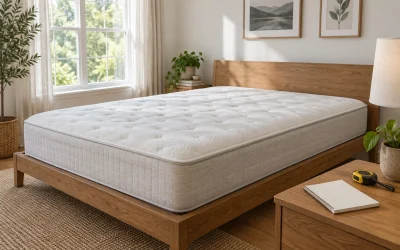
Copper is genuinely conductive, and pairing it with a graphene-treated cover gives this all-foam build a legitimate thermal pathway rather than a marketing sticker. It’s the strongest motion-isolation pick here — near-total absorption of partner movement — and the medium-firm feel with fiberglass-free construction and ICA endorsement makes it an easy recommendation for couples where one person has lower-back complaints.
BedStory Firm 13″ Hybrid
The zoned lumbar section is the differentiator: firmer support under the midsection where couples with mismatched weights tend to lose alignment, softer through the shoulders. Firm-leaning and hotel-adjacent in feel, with a 365-night trial that removes essentially all of the guesswork.
Novilla 14″ King Cooling Memory Foam
Built around airflow rather than infusion alone, with a breathable cover and a perforated foam structure that keeps the surface from developing that stagnant heat pocket by hour four. Good value in king, and generous enough in depth that neither sleeper feels the base layer.
14″ King Cooling Gel with Tencel Cover
Tencel is the underrated element here — it wicks moisture faster than polyester blends, which matters for anyone who runs warm and damp rather than simply warm. Medium-plush and forgiving for side sleepers, with the gel layer handling conduction and CertiPUR-US foams underneath.
12″ Hybrid with Cooling Gel and Pocket Springs
The most balanced pick for couples who can’t agree on feel: pocketed coils deliver responsiveness and airflow, the gel-foam comfort layer takes the pressure off hips and shoulders, and motion transfer stays effectively nil. Medium-firm, ergonomically sound, and the sensible default if you’re undecided.
Frequently Asked Questions
Do cooling mattresses actually lower body temperature?
They don’t refrigerate — they reduce heat retention. A well-built cooling mattress pulls warmth away from the surface instead of reflecting it back, which helps your body complete its natural nighttime temperature drop. Expect a meaningfully less sweaty night, not an air-conditioned one.
Hybrid or all-foam for two sleepers?
Hybrids ventilate better and offer stronger edge support, making them the safer choice for couples who run hot or use the full width of the bed. All-foam wins on motion isolation, so if a light-sleeping partner is the main issue, foam with strong cooling technology is the better trade.
What firmness works when partners disagree?
Medium-firm resolves most disputes. Buy for the heavier or back-sleeping partner, then let the lighter or side-sleeping partner add a two-inch topper on their side — far cheaper and more effective than compromising into a mattress neither of you likes.
How long until a new mattress feels right?
Give it three to four weeks. Your musculoskeletal system adapts to a previous mattress’s shape, and early stiffness is usually recalibration rather than a mismatch. Judge it at the one-month mark, well inside any reputable trial window.
Final Thoughts
For most couples, the 12″ cooling hybrid with pocket springs is the most defensible buy — balanced firmness, real airflow, and motion transfer low enough that a restless partner stops being a problem. Choose the EGOHOME 14″ if maximum motion isolation and copper-based cooling matter most, or the BedStory Firm 13″ if one of you needs targeted lumbar support and wants a full year to decide.