Key takeaways
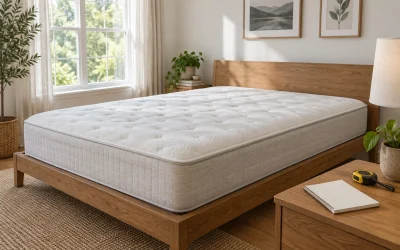
- Profile depth: Aim for 12 inches minimum and 14 inches ideally. Deeper builds give the comfort layer room to cradle your shoulder without your hip compressing all the way to the base — the single most common cause of morning hip pain in heavier side sleepers.
- Hybrid over all-foam above 250 lbs: Pocketed steel coils resist compression far longer than polyfoam and provide the pushback your lumbar spine needs. All-foam models can work well, but favor higher-density or gel-infused cores rather than budget open-cell foam.
- Firmness sweet spot: Medium to medium-firm. Heavier bodies compress any surface roughly one firmness level softer than a lighter person experiences, so a mattress rated medium often lands as medium-soft under you — which is precisely where side sleepers want it.
- Edge support: Look for encased coil perimeters or reinforced foam rails. Plus-size sleepers sit on the mattress edge to dress and rise, and a collapsing perimeter shortens the usable surface and the mattress lifespan alike.
- Heat management and trial length: Gel infusions, breathable covers, and open coil chambers all help. Pair that with a generous sleep trial — 100 nights minimum, ideally longer — because it takes three to four weeks for your body to adapt and reveal whether the support is genuinely sufficient.
What's inside
Side sleeping concentrates your entire body weight onto two narrow pressure points — the shoulder and the hip — and that geometry gets harder to solve as body weight increases. A mattress that feels plush in a showroom can bottom out under a 250-, 300-, or 400-pound frame, letting the shoulder sink until the spine bends into a shallow C shape. The result is the familiar trio of complaints I hear most from plus-size side sleepers: numb arms, aching hips, and a lower back that protests every morning. Heat is the second half of the problem, since more body mass means more metabolic heat trapped in foam that was never designed to move air.
This guide approaches the question the way a sleep clinician would: support first, contouring second, cooling third. Below you’ll find the mattresses I’d point a heavier side sleeper toward in 2026, along with the specifications that actually predict long-term comfort — coil gauge and edge encasement, foam density, total profile, and trial length. Use the buying criteria to narrow the field, then read the individual notes to match a model to your weight range and sleep temperature.
As an Amazon Associate we earn from qualifying purchases.


🛒 Best Price Today on Amazon
Prime members get fast, free shipping on everything above, plus member-only deals. New members get a 30-day free trial — cancel anytime.
How to Choose a Mattress For Fat Side Sleepers (2026)
- Profile depth: Aim for 12 inches minimum and 14 inches ideally. Deeper builds give the comfort layer room to cradle your shoulder without your hip compressing all the way to the base — the single most common cause of morning hip pain in heavier side sleepers.
- Hybrid over all-foam above 250 lbs: Pocketed steel coils resist compression far longer than polyfoam and provide the pushback your lumbar spine needs. All-foam models can work well, but favor higher-density or gel-infused cores rather than budget open-cell foam.
- Firmness sweet spot: Medium to medium-firm. Heavier bodies compress any surface roughly one firmness level softer than a lighter person experiences, so a mattress rated medium often lands as medium-soft under you — which is precisely where side sleepers want it.
- Edge support: Look for encased coil perimeters or reinforced foam rails. Plus-size sleepers sit on the mattress edge to dress and rise, and a collapsing perimeter shortens the usable surface and the mattress lifespan alike.
- Heat management and trial length: Gel infusions, breathable covers, and open coil chambers all help. Pair that with a generous sleep trial — 100 nights minimum, ideally longer — because it takes three to four weeks for your body to adapt and reveal whether the support is genuinely sufficient.
The Best Mattress For Fat Side Sleepers (2026)s Reviewed
Sleepmax 14 Inch Hybrid
The strongest all-around choice here for side sleepers carrying extra weight: a 14-inch hybrid pairing pocketed coils with pressure-relieving foam, so your shoulder gets contour while the coil unit holds your hip in line. The 365-night trial is unusually long and gives you a full seasonal cycle to confirm the support holds up.
Sweetnight CoolNest 14 Inch
An all-foam pick with genuine engineering behind it — five zones tune the surface so the shoulder and hip regions yield more than the lumbar section, which is exactly the profile a side sleeper needs. The medium feel and breathability focus make it my recommendation for heavier sleepers who run hot but dislike the springiness of coils.
Sealy Dreamlife 14″ Hybrid
Sealy’s responsive encased coils and gel memory foam deliver the most familiar, brand-backed feel on this list, with a durable perimeter that makes getting in and out easier. A sensible choice if you want a hybrid from a legacy manufacturer rather than a direct-to-consumer newcomer.
Novilla 12 Inch NanoGEL Memory Foam
The dual-support construction targets spinal alignment specifically, and at 12 inches it offers enough depth for most side sleepers up to roughly 280 pounds. Best suited to the medium-firm end of preferences and to sleepers who want cooling foam at a moderate price.
LIFEMENT 8 Inch Full Mattress
At 8 inches, this is a budget and guest-room solution rather than a primary bed for a heavier side sleeper — the profile simply doesn’t allow deep shoulder contouring under significant weight. Consider it for a spare room, a bunk, or a temporary setup where cooling gel foam and CertiPUR-US certification at a low price are the priorities.
Frequently Asked Questions
How firm should a mattress be for a heavier side sleeper?
Medium to medium-firm on the manufacturer’s scale. Because greater body weight compresses any surface further, a mattress marketed as medium-firm typically presents as medium under 250 pounds or more — which lands right where side sleepers need contouring without sacrificing alignment.
Is memory foam or a hybrid better above 250 pounds?
Hybrids generally win on durability and support, since coils recover more reliably than foam under sustained load. High-quality zoned foam can absolutely work, but be more skeptical of thin or low-density foam builds at higher weights.
Will a mattress topper fix my current bed?
A topper can add surface softness for shoulder relief, but it cannot restore support that’s already failed. If you can feel a dip or your hips sink toward the floor, the core has broken down and a topper will only mask it briefly.
How long should this mattress last?
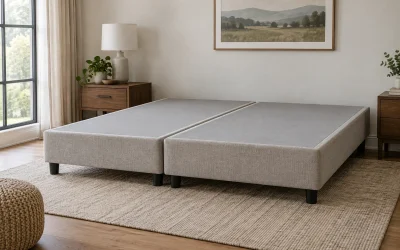
Expect roughly six to eight years from a well-built hybrid under heavier use, less from an all-foam budget model. Rotate it head-to-foot every three months and use a slatted or solid foundation with gaps no wider than three inches.
Final Thoughts
For most plus-size side sleepers, the Sleepmax 14 Inch Hybrid is the smartest starting point — it combines the depth, coil support, and lengthy trial period that make a purchase at this weight range low-risk. Hot sleepers who prefer a foam feel should look at the Sweetnight CoolNest 14 Inch with its five-zone layout, while anyone who wants a trusted legacy brand and firm edge support will be well served by the Sealy Dreamlife 14″ Hybrid.