Key takeaways
- Cushion loft over cushion count: Look for at least four to five inches of thickness with high-resilience foam or a wrapped core. Thin cushions bottom out within minutes of lying down, which is precisely when your body starts to unwind — you want support that holds at the twenty-minute mark, not the two-minute mark.
- Seat depth of 26 inches or more: Anything shallower forces an upright posture. Deeper seats let you semi-recline with your legs supported, which drops muscle tension and heart rate far faster than perching on an edge.
- Frame stiffness, not just frame material: Powder-coated steel and HDPE lumber both work; flimsy joinery does not. Press down on a corner in the product photos or reviews — if the set wobbles, your nervous system reads it as instability and you’ll never fully relax.
- Breathable, quick-drying covers: Olefin and solution-dyed acrylic shed moisture and don’t trap heat against skin. Overheating is the single most common reason an outdoor nap fails, and vinyl-backed fabrics are the usual culprit.
- Modularity for shade chasing: Sets you can reconfigure let you follow morning sun for circadian benefit and retreat to shade by midday. Fixed L-shapes lock you into whatever light the patio happens to offer.
What's inside
Most people shop for an outdoor sectional the way they shop for a dining set — counting seats, matching cushion colors, checking whether it survives a rainstorm. As someone who spends their working hours on sleep and recovery, I’d argue you’re buying something closer to a piece of rest equipment. Outdoor lounging is one of the few reliably restorative habits left: morning daylight anchors your circadian rhythm, afternoon shade lowers cortisol, and a twenty-minute horizontal drift on a shaded couch does more for evening sleep pressure than most supplements on the shelf. The problem is that the majority of patio sectionals aren’t built for any of that. Cushions two inches thick collapse under a reclining adult. Seat depths are cut short to hit a price point. Frames flex the moment you shift your weight, and the whole arrangement quietly discourages you from staying outside longer than it takes to finish a drink.
That’s the gap this guide is built to close. Below you’ll find the outdoor sectionals I’d recommend for 2026 judged on the criteria that actually govern whether you’ll rest on them: cushion loft and recovery, usable seat depth, frame rigidity under real body weight, modularity that lets you build a proper lounge configuration rather than a stiff conversation ring, and materials that hold up to sun without turning brittle or clammy. I’ve noted which sets suit napping versus evening socializing, since those are genuinely different jobs, and flagged the trade-offs worth knowing before you commit to something that will live on your deck for the next decade.
As an Amazon Associate we earn from qualifying purchases.


How to Choose a Outdoor Sectional Couches (2026)
- Cushion loft over cushion count: Look for at least four to five inches of thickness with high-resilience foam or a wrapped core. Thin cushions bottom out within minutes of lying down, which is precisely when your body starts to unwind — you want support that holds at the twenty-minute mark, not the two-minute mark.
- Seat depth of 26 inches or more: Anything shallower forces an upright posture. Deeper seats let you semi-recline with your legs supported, which drops muscle tension and heart rate far faster than perching on an edge.
- Frame stiffness, not just frame material: Powder-coated steel and HDPE lumber both work; flimsy joinery does not. Press down on a corner in the product photos or reviews — if the set wobbles, your nervous system reads it as instability and you’ll never fully relax.
- Breathable, quick-drying covers: Olefin and solution-dyed acrylic shed moisture and don’t trap heat against skin. Overheating is the single most common reason an outdoor nap fails, and vinyl-backed fabrics are the usual culprit.
- Modularity for shade chasing: Sets you can reconfigure let you follow morning sun for circadian benefit and retreat to shade by midday. Fixed L-shapes lock you into whatever light the patio happens to offer.
The Best Outdoor Sectional Couches (2026)s Reviewed
5-Piece All-Weather PE Rattan Sectional with Ottoman
The convertible layout is the standout here — the ottoman slides in to create a full-length lounge surface, which is the single most useful feature for anyone who intends to actually rest outdoors rather than just sit. PE rattan stays cool in direct sun better than metal, and the tempered glass table is a sensible middle ground between durability and weight.
7-Piece Wicker Conversation Sectional with Thick Cushions
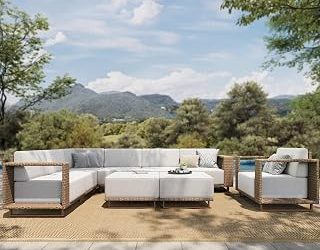
Genuinely thick, water-resistant cushions with removable covers put this ahead of most sets in its bracket, and seven pieces give you enough flexibility to build either a social ring or a long reclining run. Beige upholstery is a practical choice for hot climates, reflecting rather than absorbing afternoon heat.
SERWALL HDPE Outdoor Sectional with Coffee Table
HDPE lumber is the low-maintenance pick for anyone tired of rust and fading — it resists UV degradation for years without sealing or refinishing. The black frame is rigid and unfussy, though I’d budget for a supplementary lumbar cushion if extended reclining is the goal.
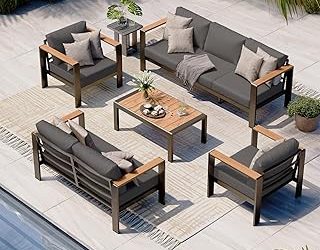
Sophia & William 6-Seat Modular Metal Sectional
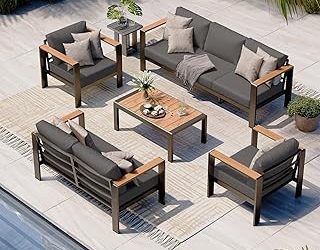
The built-in side table is a smarter piece of design than it sounds: keeping water within arm’s reach removes one of the small friction points that cuts an outdoor session short. Powder-coated metal delivers excellent frame stability, and the six modular pieces reconfigure easily as shade shifts across the day.
6-Piece PE Rattan Sectional with Fire Pit Table
Best suited to evening use, where the fire feature provides warm, low-intensity light that won’t suppress melatonin the way overhead patio floodlights do. The navy cushions hide wear well, and grey wicker holds its color through repeated sun exposure.
Frequently Asked Questions
Is napping outdoors actually good for my sleep?
A short outdoor nap — twenty to thirty minutes, before mid-afternoon — generally improves alertness without eroding nighttime sleep. The daylight exposure you get on the way to and from the couch is arguably the bigger benefit, since it strengthens the circadian signal that governs when you fall asleep that night.
How thick should outdoor cushions be for lounging?
Four inches is a working minimum; five or more is better if you plan to lie down. Below that, foam compresses fully under body weight and pressure concentrates on the hips and shoulders, which is what wakes people after ten minutes.
PE rattan or HDPE — which lasts longer?
HDPE lumber typically outlives PE rattan and needs no maintenance, but it’s heavier and warmer to the touch. Quality PE rattan is more breathable and lighter to rearrange, which matters if you reconfigure often.
Do I need to bring cushions inside?
Even water-resistant cushions last considerably longer with a storage box or deck bin. Repeated soaking-and-drying cycles break down foam structure well before the fabric shows any visible wear.
Final Thoughts
If rest is your priority, the 5-Piece PE Rattan Sectional with Ottoman is the most convincing choice on this list — the convertible lounge configuration is what separates a couch you sit on from one you recover on. For durability with minimal upkeep, the SERWALL HDPE set is the soundest long-term investment, and the Sophia & William 6-Seat Modular Sectional earns its place for anyone who wants to chase shade through the day without wrestling furniture into position.