Key takeaways
- Grid depth over total height: The comfort layer matters more than the box. A 2-inch grid handles moderate pressure; the deeper 9.25-inch build of the Purple Original lets a shoulder sink meaningfully before it meets resistance — the difference side sleepers notice first.
- Lean softer than you think: Side sleepers generally need more give than back or stomach sleepers to keep the spine level. If you’re between two firmness options, the softer one is usually the safer bet, particularly under 150 lbs.
- Check shoulder clearance: Lie down in your real position and reach behind your lower back. If you can slide a hand into a gap, the surface isn’t letting your shoulder drop far enough and your lumbar curve is unsupported.
- Temperature behavior, not “cooling” claims: Open-channel grids and coil hybrids move air passively. Dense all-foam builds trap it. Side sleepers have less body surface touching the bed, which helps — but a hot mattress will still wake you.
- Trial length is your real test: Hip and shoulder adaptation takes three to four weeks. Any bed you buy should carry at least a 100-night trial; several options here run a full year.
What's inside
Side sleeping is the most popular position in the world, and also the least forgiving. Lying on your side concentrates most of your body weight onto two narrow zones — the shoulder and the hip — while your waist and neck are left hanging in mid-air. Too firm a surface and those pressure points go numb by 3 a.m.; too soft and your spine sags into a shallow hammock that leaves your lower back aching before breakfast. That balancing act is exactly why so many side sleepers cycle through mattresses without ever landing on one that works.
Purple’s approach is unusual enough to be worth understanding: instead of relying on foam that softens as it warms, its GelFlex Grid buckles under concentrated pressure and stays supportive everywhere else — a behavior that suits the shoulder-and-hip problem almost perfectly. Below, I’ve assessed the current Purple lineup alongside a few hybrid alternatives worth weighing against it, with notes on grid depth, firmness, cooling, and who each bed genuinely suits. Nothing here is padded with spec-sheet filler; these are the details that change how you feel at 7 a.m.
As an Amazon Associate we earn from qualifying purchases.



🛒 Best Price Today on Amazon
Prime members get fast, free shipping on everything above, plus member-only deals. New members get a 30-day free trial — cancel anytime.
How to Choose a Purple Mattress For Side Sleepers (2026)
- Grid depth over total height: The comfort layer matters more than the box. A 2-inch grid handles moderate pressure; the deeper 9.25-inch build of the Purple Original lets a shoulder sink meaningfully before it meets resistance — the difference side sleepers notice first.
- Lean softer than you think: Side sleepers generally need more give than back or stomach sleepers to keep the spine level. If you’re between two firmness options, the softer one is usually the safer bet, particularly under 150 lbs.
- Check shoulder clearance: Lie down in your real position and reach behind your lower back. If you can slide a hand into a gap, the surface isn’t letting your shoulder drop far enough and your lumbar curve is unsupported.
- Temperature behavior, not “cooling” claims: Open-channel grids and coil hybrids move air passively. Dense all-foam builds trap it. Side sleepers have less body surface touching the bed, which helps — but a hot mattress will still wake you.
- Trial length is your real test: Hip and shoulder adaptation takes three to four weeks. Any bed you buy should carry at least a 100-night trial; several options here run a full year.
The Best Purple Mattresses For Side Sleepers (2026), Reviewed
Purple Restore Mattress (Soft) – Queen
This is the clearest match for dedicated side sleepers in the range: the soft configuration pairs the GelFlex Grid with a taller support system, so shoulders and hips settle in without the waist losing contact. Best suited to lighter and average-weight sleepers who want cradling without the sinking sensation of memory foam.
Purple Original – Queen
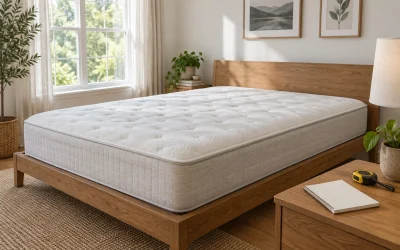
The 9.25-inch original remains a genuinely distinctive bed — responsive, temperature-neutral, and unusually good at isolating a partner’s movement. Some side sleepers find the grid’s top surface slightly firm at first touch; give it three weeks before judging, as the pressure-relief benefit reveals itself gradually.
PurpleFlex 8″ King
A slimmer, more affordable entry with a 2-inch grid over a breathable base, and the most practical choice for guest rooms, teenagers, or a lighter-framed side sleeper. Heavier sleepers will likely want deeper grid coverage than 2 inches provides at the hip.
DreamCloud 12″ Hybrid – Queen
If you prefer the contouring feel of memory foam over the grid’s springiness, this hybrid is the strongest alternative here, with coils that keep the midsection lifted. The 365-night trial is unusually generous and effectively removes the risk from a mattress you can’t try in person.
Sleepmax Plush 14″ – Queen
A budget-friendly plush hybrid with enough surface softness to accommodate a shoulder comfortably, plus a coil layer doing the alignment work underneath. It’s the value pick, backed by a year-long trial and lifetime warranty — reassuring at this price point.
Frequently Asked Questions
Are Purple mattresses actually good for side sleepers?
Yes, particularly the softer and deeper-grid models. The grid collapses only where pressure is concentrated, which addresses the shoulder-and-hip problem more precisely than uniform foam.
Should I choose Purple Restore Soft or the Purple Original?
Choose Restore Soft if you sleep exclusively on your side or wake with shoulder pain. Choose the Original if you switch positions overnight or prefer a firmer, more responsive surface.
Is an 8-inch mattress deep enough for side sleeping?
It can be for lighter sleepers, but pressure at the hip increases sharply with body weight. Above roughly 200 lbs, a thicker build with more grid or coil beneath is the safer choice.
Why does a firm mattress make my shoulder hurt?
Because your shoulder can’t descend into the surface, your body weight is loaded onto a small contact area, restricting circulation. That’s what causes the familiar numb, pins-and-needles wake-up.
Final Thoughts
For most side sleepers, the Purple Restore (Soft) is the pick that solves the widest range of complaints, with the Purple Original close behind for anyone who moves between positions and wants a livelier feel. If your budget is tighter, the Sleepmax Plush 14″ delivers the plush-over-coils formula side sleepers need for a fraction of the outlay — and a year to make up your mind.