Key takeaways
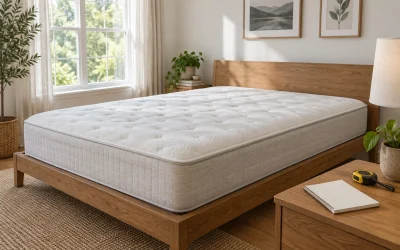
- Comfort layer depth: Side sleepers need at least 3 to 4 inches of conforming foam above the support core. Anything shallower and your shoulder will reach the firm base layer, recreating the pressure point you were trying to eliminate. This is why 12- and 14-inch builds outperform slim 8-inch profiles for this position.
- Firmness matched to body weight: “Medium firm” is a marketing label, not a measurement. Sleepers under roughly 150 pounds generally need a softer surface (4–5 on the 10-point scale) to achieve shoulder immersion, while those over 200 pounds usually need 6–7 to prevent the hips from sagging into misalignment.
- Zoned or transitional support: The best designs vary firmness along the length of the bed — softer at the shoulder, reinforced under the lumbar and pelvis. A dedicated transition layer between comfort foam and base is what stops heavier sleepers from sinking into a hammock shape.
- Thermal regulation: Deep contouring means more of your skin touches the mattress, which traps heat. Look for gel infusion, open-cell structure, or a spring core that allows vertical airflow. Core body temperature needs to drop about one degree Celsius for sleep onset, so this matters physiologically, not just for comfort.
- Certification and trial length: CertiPUR-US certification confirms the foam is made without formaldehyde, heavy metals, or certain flame retardants. Pair that with a generous home trial — your body needs three to four weeks to recalibrate to a new sleeping surface, so anything under 100 nights is too short to judge fairly.
What's inside
Side sleeping is the most popular position in the world, and also the most mechanically demanding on a mattress. Lying on your side funnels roughly 60% of your body weight through two narrow contact zones — the shoulder joint and the greater trochanter of the hip — while the waist and lumbar curve float unsupported above the surface. When a mattress can’t yield at those two pressure points, capillary blood flow gets pinched, and the brain triggers a micro-arousal to make you roll over. That’s the real reason so many side sleepers wake with a dead arm, an aching hip, or the vague sense they slept badly despite eight hours in bed.
Memory foam solves this better than almost any other material because it redistributes load rather than pushing back against it. But foam density, comfort-layer depth, and cooling architecture vary enormously between models, and a mattress that cradles a 130-pound sleeper can bottom out under a 220-pound one. Below, I’ve assessed the strongest memory foam and foam-hybrid options for side sleeping in 2026, judged on pressure mapping, spinal neutrality, heat dissipation, and how well each holds up over a full trial period.
As an Amazon Associate we earn from qualifying purchases.


🛒 Best Price Today on Amazon
Prime members get fast, free shipping on everything above, plus member-only deals. New members get a 30-day free trial — cancel anytime.
How to Choose a Side Sleeper Memory Foam Mattress (2026)
- Comfort layer depth: Side sleepers need at least 3 to 4 inches of conforming foam above the support core. Anything shallower and your shoulder will reach the firm base layer, recreating the pressure point you were trying to eliminate. This is why 12- and 14-inch builds outperform slim 8-inch profiles for this position.
- Firmness matched to body weight: “Medium firm” is a marketing label, not a measurement. Sleepers under roughly 150 pounds generally need a softer surface (4–5 on the 10-point scale) to achieve shoulder immersion, while those over 200 pounds usually need 6–7 to prevent the hips from sagging into misalignment.
- Zoned or transitional support: The best designs vary firmness along the length of the bed — softer at the shoulder, reinforced under the lumbar and pelvis. A dedicated transition layer between comfort foam and base is what stops heavier sleepers from sinking into a hammock shape.
- Thermal regulation: Deep contouring means more of your skin touches the mattress, which traps heat. Look for gel infusion, open-cell structure, or a spring core that allows vertical airflow. Core body temperature needs to drop about one degree Celsius for sleep onset, so this matters physiologically, not just for comfort.
- Certification and trial length: CertiPUR-US certification confirms the foam is made without formaldehyde, heavy metals, or certain flame retardants. Pair that with a generous home trial — your body needs three to four weeks to recalibrate to a new sleeping surface, so anything under 100 nights is too short to judge fairly.
The Best Side Sleeper Memory Foam Mattresses (2026) Reviewed
Nectar 12″ Memory Foam Mattress (King)
Nectar’s 12-inch build pairs a slow-response comfort layer with a dense stabilizing core, giving side sleepers genuine shoulder immersion without the pelvic sag that plagues cheaper all-foam beds. The year-long trial is unusually generous and gives you a full seasonal cycle to assess how it handles temperature swings.
Soft Plush 14″ Hybrid (Queen)
This is the pick for side sleepers who want contouring but dislike the enveloped feeling of pure foam — pocketed coils respond independently under the shoulder and hip while pushing back beneath the waist. The individually wrapped springs also make it the most breathable option here and the strongest performer for couples, since motion transfers poorly across isolated coil units.
COOL GEL Chill 14″ Memory Foam
A thick gel-infused profile that runs noticeably cooler than standard viscoelastic foam, making it a sensible choice for warm bedrooms or menopausal night sweats. The two included pillows are a genuine bonus for side sleepers, who need higher loft than back sleepers to keep the cervical spine level.
EGOHOME 12″ Green Tea (Full)
The green tea and charcoal infusion targets odor control, but the more meaningful detail is the fiberglass-free construction — a real differentiator in the budget tier, where glass fiber fire socks are common. At 12 inches in a full size, it’s well suited to solo side sleepers of average build and smaller bedrooms.
Sweetnight CoolNest 14″ (King)
The five-zone ergonomic layout is the standout feature: softer sections align with the shoulder and calf, firmer sections with the lumbar and pelvis, which is precisely the profile a side sleeper’s body asks for. Medium feel with strong breathability makes it a versatile choice for couples who sleep in different positions.
Frequently Asked Questions
Is all-foam or hybrid better for side sleepers?
Both work, but they solve different problems. All-foam gives deeper, more uniform pressure relief and silent motion isolation; hybrids offer better airflow, stronger edge support, and more responsive movement. If you overheat or share a bed and struggle to reposition, choose the hybrid.
What firmness should a side sleeper buy?
Medium to medium-firm suits most people, but calibrate to your weight. A useful test: lie on your side and slide a hand under your waist. If there’s a visible gap, the mattress is too firm; if your hip sits well below your shoulder line, it’s too soft.
Will a new mattress fix my shoulder pain?
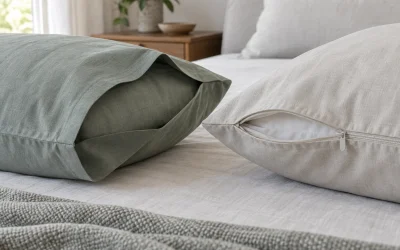
Often it helps substantially, but the pillow matters just as much. Side sleepers need a pillow tall enough to fill the gap between ear and outer shoulder — usually 4 to 6 inches of loft. Mismatch that and even an excellent mattress won’t produce neutral alignment.
How long does a boxed mattress take to expand?
Most reach usable shape within a few hours and full loft in 24 to 72 hours. Allow the room to ventilate during that window; the temporary off-gassing smell from compressed foam is normal and dissipates as the cells fully open.
Final Thoughts
For most side sleepers, the Nectar 12″ remains the safest all-round investment — balanced contouring, a durable core, and a trial period long enough to be certain. Hot sleepers and couples should look first at the Soft Plush 14″ Hybrid for its coil-driven airflow and motion isolation, while the Sweetnight CoolNest 14″ is the smartest choice if targeted shoulder and hip relief through zoned support is your priority.