Key takeaways
- Roof strategy: Adjustable louvers let you take open sky at 8 a.m. and full shade at 2 p.m.; fixed slats and trellis tops give dappled, shifting light; solid hardtops give total shade and rain cover. Decide which one your daily rhythm actually needs before comparing anything else.
- Surface temperature: Cedar stays notably cooler to the touch and radiates less heat downward than bare metal. If you prefer aluminum or steel, prioritize powder-coated finishes, vented double roofs, and generous headroom to let hot air escape.
- Water management: A rainproof roof is only half the job. Look for integrated gutters and post downspouts, or you will get a curtain of runoff exactly where your feet go.
- Wind rating and anchoring: This is a comfort issue as much as a safety one — poorly braced panels buzz and tick in the wind, which is precisely the kind of intermittent noise that prevents relaxation. Insist on a published wind rating and anchor into concrete or a proper deck substrate.
- Usable footprint and extras: Measure for a lounger plus a side table, not just square footage. Curtains, insect netting, and a built-in power outlet for a fan or white-noise speaker do more for real-world usability than most cosmetic upgrades.
What's inside
Most people shop for a pergola the way they shop for a sofa — by looking at it. But an outdoor structure is really a light-and-temperature instrument, and that is where these purchases quietly go wrong. I spend my working days helping people repair their sleep, and one of the most underrated tools I recommend is a shaded outdoor spot that makes unhurried daytime rest genuinely pleasant: somewhere to catch morning daylight (which anchors your body clock better than any supplement), and somewhere to downshift in the late afternoon instead of scrolling indoors. A structure that bakes at two o’clock, drips for an hour after a storm, or clatters in a gust never gets used — and an unused rest space helps no one.
This roundup evaluates six of the strongest pergolas and hardtop pavilions available in 2026 through that lens: how precisely each controls glare, how it manages trapped heat and rainfall, how quiet and solid it feels overhead, and whether it leaves clearance for an actual lounger rather than four dining chairs. Below are the current picks, followed by a compact buying framework and the questions I field most often.
As an Amazon Associate we earn from qualifying purchases.



How to Choose a Pergola (2026)
- Roof strategy: Adjustable louvers let you take open sky at 8 a.m. and full shade at 2 p.m.; fixed slats and trellis tops give dappled, shifting light; solid hardtops give total shade and rain cover. Decide which one your daily rhythm actually needs before comparing anything else.
- Surface temperature: Cedar stays notably cooler to the touch and radiates less heat downward than bare metal. If you prefer aluminum or steel, prioritize powder-coated finishes, vented double roofs, and generous headroom to let hot air escape.
- Water management: A rainproof roof is only half the job. Look for integrated gutters and post downspouts, or you will get a curtain of runoff exactly where your feet go.
- Wind rating and anchoring: This is a comfort issue as much as a safety one — poorly braced panels buzz and tick in the wind, which is precisely the kind of intermittent noise that prevents relaxation. Insist on a published wind rating and anchor into concrete or a proper deck substrate.
- Usable footprint and extras: Measure for a lounger plus a side table, not just square footage. Curtains, insect netting, and a built-in power outlet for a fan or white-noise speaker do more for real-world usability than most cosmetic upgrades.
The Best Pergolas (2026) Reviewed
Jocisland 20′ x 20′ Cedar Gazebo
At 400 square feet with a sloped galvanized steel roof, this is a permanent pavilion rather than a patio accent — enough room to keep a dining zone and a dedicated rest corner separate. The rot-resistant cedar frame and pitched hardtop make it the most weather-indifferent option here, though the deep shade means you will want it sited where morning sun still reaches the edges.
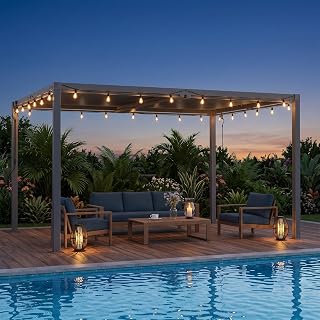
Louvered Pergola 10′ x 13′ Aluminum Hardtop
The most versatile pick for restorative use: rotating louvers let you dial in bright morning light, angled midday shade, or a sealed roof when weather turns, all within seconds. The heavy-duty aluminum frame asks for essentially no maintenance, which matters more than buyers expect over a decade of seasons.
Hardtop Grill Gazebo with Curtain and Netting
The double-roof design vents rising heat instead of holding it, and the included netting eliminates the single most common reason outdoor downtime gets cut short. Drawing the curtains also kills low-angle afternoon glare, turning it into a surprisingly credible nap enclosure.
Aoxun Cedar Wood Pergola 10×12
Its multi-level trellis roof produces genuinely lovely dappled light — bright enough for a morning coffee that does real circadian work, filtered enough to stay comfortable past noon. Solid cedar construction, a legitimate high-wind rating, and a straightforward build make this the pick for anyone who wants shade without sealing out the sky.
Backyard Discovery Beaumont 12′ x 10′
A classic trellis-roof cedar pergola with unusually thorough hardware and all-season durability, this one earns its place partly on the integrated PowerPort — the easiest way to run a fan, a sound machine, or warm string lights on a timer without an extension cord across the lawn. Traditional lines that suit an established garden better than most aluminum designs.
Frequently Asked Questions
Can a pergola actually improve my sleep?
Not directly, but the behaviors it enables can. Consistent morning outdoor light exposure is one of the best-supported ways to stabilize your body clock, and a comfortable, glare-free spot makes that habit stick. Treat it as infrastructure for good routines, not a remedy for a sleep disorder.
Louvered roof or fixed slats for daytime rest?
Choose louvers if you want control — bright at breakfast, shaded by mid-afternoon, closed against rain. Choose fixed slats or a trellis if you prefer soft, moving light and lower cost, and accept that the shade pattern shifts with the sun rather than your preferences.
Will a hardtop pergola trap heat underneath?
It can, especially with low headroom and enclosed sides. Vented double roofs, a minimum of roughly eight feet of clearance, and at least two open sides for cross-breeze keep the space usable; wood frames also stay meaningfully cooler than exposed metal.
How large should it be for a daybed or lounger?
Around 10′ x 12′ is the practical minimum for a full-length lounger, a side table, and walking room without brushing the posts. If you want seating and a rest area to coexist without compromise, size up to a 12′-plus footprint or a large pavilion.
Final Thoughts
For most buyers, the 10′ x 13′ louvered aluminum pergola is the smartest overall choice — nothing else here gives you the same minute-by-minute command over light and weather. Pick the Aoxun Cedar 10×12 if you want warm materials and filtered daylight rather than a sealed ceiling, and step up to the Jocisland 20′ x 20′ cedar pavilion if you are building a genuine outdoor room meant to last decades.