Key takeaways
- Slat spacing and material: Gaps wider than about three inches let all-foam and hybrid mattresses bow between supports, which erodes lumbar alignment over time. Steel slats resist warping better than thin timber; solid pine slats offer a slight flex that some side sleepers prefer.
- Deck height and egress: Aim for a total sleep surface roughly level with the back of your knees when seated. Too low strains hips and knees on rising; too high leaves feet dangling and is a genuine fall risk for older sleepers.
- Noise engineering: Squeak comes from metal-on-metal micro-movement at joints. Look for welded frames, rubber or felt sleeves at contact points, and mattress stoppers that stop nightly repositioning.
- Load rating and center support: A queen frame should carry at least 1,000 pounds with multiple center legs. Higher ratings usually indicate thicker steel gauge, which translates directly into less flex and fewer retightening sessions.
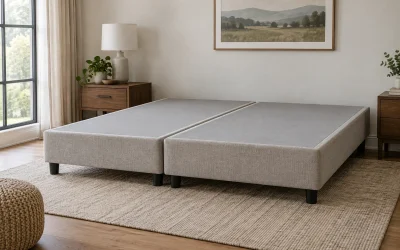
- Underbed clearance and airflow: Open decks vent body heat and moisture that solid foundations trap. If you store bins underneath, leave a channel free so air still moves and dust doesn’t accumulate against the mattress base.
What's inside
Most people spend months agonizing over a mattress and about eleven minutes choosing what sits underneath it. That’s backwards. A platform bed is the structural system that determines whether your mattress keeps its intended contour, whether heat escapes from underneath you at 3 a.m., and whether a partner’s rollover registers as a soft shift or a metallic complaint that pulls you out of slow-wave sleep. Sagging slats, undersized center legs, and bolt joints that loosen after a season are quiet saboteurs of otherwise excellent bedding.
This guide approaches bed platforms the way a sleep clinician would: as support hardware with measurable effects on spinal alignment, thermal regulation, and nighttime arousal. Below you’ll find the specifications that actually predict long-term performance, honest notes on the queen-size frames worth your attention in 2026, and answers to the questions that come up most often once the mattress is already on the floor.
As an Amazon Associate we earn from qualifying purchases.



🛒 Best Price Today on Amazon
Prime members get fast, free shipping on everything above, plus member-only deals. New members get a 30-day free trial — cancel anytime.
How to Choose a Bed Platform (2026)
- Slat spacing and material: Gaps wider than about three inches let all-foam and hybrid mattresses bow between supports, which erodes lumbar alignment over time. Steel slats resist warping better than thin timber; solid pine slats offer a slight flex that some side sleepers prefer.
- Deck height and egress: Aim for a total sleep surface roughly level with the back of your knees when seated. Too low strains hips and knees on rising; too high leaves feet dangling and is a genuine fall risk for older sleepers.
- Noise engineering: Squeak comes from metal-on-metal micro-movement at joints. Look for welded frames, rubber or felt sleeves at contact points, and mattress stoppers that stop nightly repositioning.
- Load rating and center support: A queen frame should carry at least 1,000 pounds with multiple center legs. Higher ratings usually indicate thicker steel gauge, which translates directly into less flex and fewer retightening sessions.
- Underbed clearance and airflow: Open decks vent body heat and moisture that solid foundations trap. If you store bins underneath, leave a channel free so air still moves and dust doesn’t accumulate against the mattress base.
The Best Bed Platforms (2026) Reviewed
SHA CERLIN 14-Inch Metal Platform with Wooden Headboard
The pairing of a steel deck with a walnut-finish headboard and footboard solves a practical problem: you get the rigidity of metal without the cold, dormitory look. The non-slip contact points are more than marketing here, and the headboard gives upright readers something to brace against instead of a bare wall.
Mellow Naturalista Classic 12-Inch Solid Wood Platform
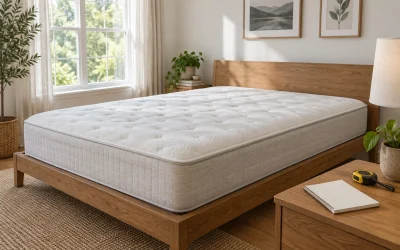
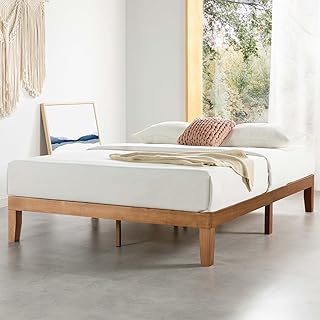
Solid pine with wooden slats delivers a slightly more forgiving deck, which suits lighter sleepers and softer foam mattresses that can feel harsh over rigid steel. At twelve inches it sits lower than the metal options, an advantage for anyone who finds tall frames awkward to get out of.
VIPSHOW 20-Inch Heavy-Duty Queen Frame
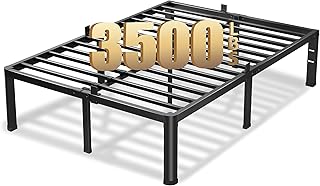
The 3,500-pound rating and rounded corners make this the pick for heavier sleepers, shared beds, and anyone tired of barking a shin on a sharp bracket. Twenty inches of clearance is generous for storage, though shorter sleepers should measure their seated knee height first.
NEW JETO 14-Inch Metal Frame with Storage
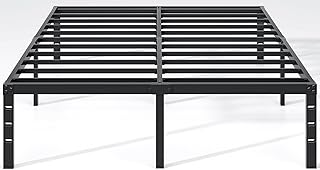
A straightforward, well-braced steel platform that assembles quickly and disappears under the bedding, which is exactly what most buyers want. The fourteen-inch height hits the ergonomic sweet spot for the majority of adults while still fitting standard storage containers underneath.
Hafenpo 14-Inch Queen Metal Platform
Strong bearing capacity and a no-fuss build make this a sensible foundation for a guest room or a first apartment where the mattress budget took priority. Expect a firm, unyielding deck—ideal if your mattress already provides all the give you need.
Frequently Asked Questions
Do I still need a box spring?
No. Every frame here is a true platform, meaning the slat deck performs the support role a box spring once did. Adding one raises the surface uncomfortably high and can void some mattress warranties.
What slat spacing does a memory foam mattress need?
Keep gaps at or under three inches. Wider spacing lets foam settle into the voids, creating an uneven surface that shows up as morning hip and lower-back soreness long before it becomes visible.
How do I stop a frame from squeaking?
Retighten every bolt in a crossing pattern after the first two weeks of use, then twice yearly. If noise persists, add adhesive felt pads where slats meet the rails—that interface is the usual culprit.
Is underbed storage bad for sleep hygiene?
Only if it’s uncontrolled. Sealed bins are fine; loose fabric and open boxes collect dust and allergens directly beneath your breathing zone. Vacuum the area seasonally and leave some open space for airflow.
Final Thoughts
For most queen-size sleepers, the SHA CERLIN strikes the best balance of rigid steel support, quiet operation, and a headboard you’ll actually use. Heavier sleepers and couples should size up to the VIPSHOW for its exceptional load rating and clearance, while anyone who prefers natural materials and a lower, easier entry will be well served by the Mellow Naturalista Classic.