Key takeaways
- Treat PSI as a ceiling, not a target: paint and trim clean beautifully at 1,200–1,900 PSI. A 3,000+ PSI machine is fine provided it comes with wide-angle tips and an adjustable wand so you can dial the pressure down.
- Prioritise GPM for rinsing speed: flow rate, not pressure, is what sheets grit off a panel. Anything from 1.7 GPM upward rinses a sedan quickly; below that you’ll spend longer standing on cold concrete.
- Check the motor type and the noise it makes: brushless induction motors run quieter and last longer than universal motors, and electric units sit roughly 15 decibels below gas. That difference decides whether an early Sunday wash is neighbourly or antisocial.
- Buy reach, then buy storage: a 25–33ft hose lets you circle a vehicle without moving the base unit. An onboard reel and hook system matters more than it sounds — tangled hose is the single most common reason these machines stay in the garage.
- Decide how you want to apply soap: onboard detergent tanks are convenient for quick washes; a dedicated foam cannon produces the thick, dwelling foam that lifts road film before you touch the paint with a mitt.
What's inside
I spend my working life studying recovery — how people wind down, what actually restores them, and why some weekend rituals leave you calm while others leave you wired and aching at 11pm. Washing your own car should belong firmly in the first category: repetitive, physical, visibly finished. The wrong machine drags it into the second. You end up hauling a kinked hose across the drive, fighting a wand that kicks back through your wrists and shoulders, and running an engine loud enough to earn a note from the neighbours. Add manufacturer PSI figures measured under conditions you’ll never replicate, and choosing becomes its own small stressor.
This guide ranks the 2026 field on the criteria that still matter three months after unboxing: usable pressure at the nozzle rather than the headline number, water flow, operating noise, storage footprint, and how kindly the unit treats your back. Because most of these machines will also be pointed at a rattan sofa or a teak dining set at some point, I’ve noted which ones are controllable enough for outdoor furniture as well as clear coat.
As an Amazon Associate we earn from qualifying purchases.



How to Choose an Automotive Pressure Washer (2026)
- Treat PSI as a ceiling, not a target: paint and trim clean beautifully at 1,200–1,900 PSI. A 3,000+ PSI machine is fine provided it comes with wide-angle tips and an adjustable wand so you can dial the pressure down.
- Prioritise GPM for rinsing speed: flow rate, not pressure, is what sheets grit off a panel. Anything from 1.7 GPM upward rinses a sedan quickly; below that you’ll spend longer standing on cold concrete.
- Check the motor type and the noise it makes: brushless induction motors run quieter and last longer than universal motors, and electric units sit roughly 15 decibels below gas. That difference decides whether an early Sunday wash is neighbourly or antisocial.
- Buy reach, then buy storage: a 25–33ft hose lets you circle a vehicle without moving the base unit. An onboard reel and hook system matters more than it sounds — tangled hose is the single most common reason these machines stay in the garage.
- Decide how you want to apply soap: onboard detergent tanks are convenient for quick washes; a dedicated foam cannon produces the thick, dwelling foam that lifts road film before you touch the paint with a mitt.
The Best Automotive Pressure Washers (2026) Reviewed
Westinghouse WPX3400e
The strongest all-rounder here: a brushless motor delivering 3,400 max PSI and 2.0 GPM with noticeably less vibration and drone than belt-driven rivals, plus a five-nozzle set that lets you drop to a gentle fan for paint. If you want one machine for the car, the fence and the patio furniture, this is the one I’d point you toward.
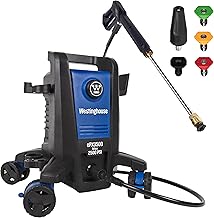
Westinghouse ePX3500
A compact, apartment-friendly unit whose anti-tipping design genuinely earns its keep when you’re tugging the hose around a wheel arch. At 2,500 max PSI and 1.76 GPM it’s the sensible choice for a single car and a small driveway, and the pro-style steel wand feels far better balanced than the plastic ones at this size.
Ryobi Automotive Pressure Washer
Purpose-built for vehicles rather than adapted to them, with car-focused accessories and pressure tuned to be forgiving of clear coat. It’s the low-anxiety pick for anyone who worries about etching paint, though heavy driveway work is beyond its remit.
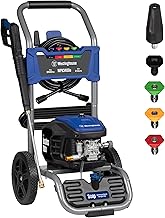
Westinghouse WPX3400 Gas
With 3,400 PSI and a substantial 2.6 GPM, this is the machine for long gravel-edged driveways, trailers and detached homes with no convenient outdoor socket. Be realistic about the trade-off: it’s loud, it needs fuel and servicing, and I wouldn’t fire it up before mid-morning.
5000 PSI Power Washer with Hose Reel (Blue)
Ignore the optimistic headline pressure and judge it on what it actually gets right — a 33ft hose on an integrated reel, four quick-connect tips and a foam cannon, which together make it the most frictionless setup-to-rinse experience in this roundup. A strong value option for detailers who hate coiling hose.
Frequently Asked Questions
What pressure is safe for car paint?
Stay between roughly 1,200 and 1,900 PSI, use a 40-degree white or 25-degree green tip, and hold the nozzle 12 inches or more from the panel. Never use the red zero-degree tip on a vehicle.
Electric or gas for washing cars?
Electric, for almost everyone. It’s quieter, starts instantly, needs no maintenance and offers more than enough pressure for automotive work. Gas earns its place only when you have no power access or large hard-surface areas to clean.
Is a foam cannon worth it if the machine has a soap tank?
Yes, if you wash regularly. Onboard tanks apply a thin solution suited to quick rinses; a cannon lays down clinging foam that softens grit before contact, which is the single best way to avoid swirl marks.
Can I use these on outdoor furniture?
With care. Use the widest nozzle at reduced pressure on teak, powder-coated aluminium and resin wicker, keep moving, and test an inconspicuous area first. Avoid pressure washing cushions, upholstery and untreated softwoods entirely.
Final Thoughts
For most households the Westinghouse WPX3400e is the buy: quiet, powerful and versatile enough to serve the car, the deck and the garden furniture without complaint. Choose the ePX3500 if storage space is tight or you’re washing a single vehicle, and the Ryobi if your priority is a gentle, vehicle-specific setup you can use without second-guessing every pass.